
Study of 117-Year-Old Reveals Paradox of Simultaneous Aging and Biological Protection
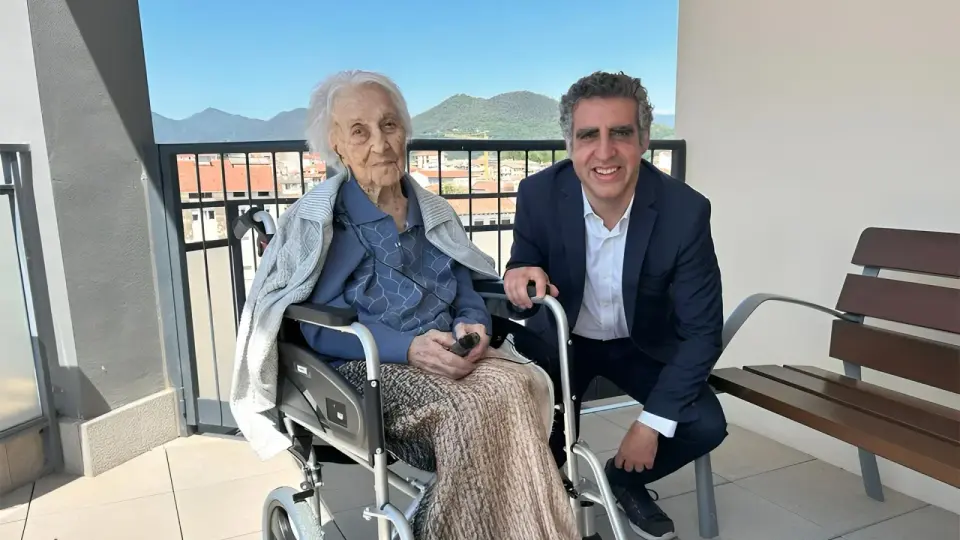
Researchers at the Josep Carreras Leukaemia Research Institute published a comprehensive multi-omic analysis of Maria Branyas, the longest-lived person in recorded history. The study reveals that extreme longevity involves a biological duality: signs of advanced aging coexist with strong protective mechanisms. While Branyas exhibited aged immune cells and short telomeres, she also possessed low inflammation, beneficial gut bacteria, and a biological age younger than her chronological age. This unique profile, free from major diseases, offers a new reference point for understanding aging as a treatable process rather than just a precursor to illness.
Key points
- The study, led by Dr. Manel Esteller and Eloy Santos, utilized genomic, proteomic, epigenomic, metabolomic, and microbiomic technologies to analyze Maria Branyas, who lived past 117 years.
- Findings show a 'fascinating duality' where markers of extreme aging, such as short telomeres and pro-inflammatory immune traits, existed alongside protective features like neuroprotection and cardioprotection.
- Branyas’s gut microbiome was dominated by beneficial bifidobacteria, and her epigenetic biological age was younger than her chronological age, despite her advanced years.
- The absence of major diseases in Branyas allowed researchers to distinguish the biological effects of aging from the impacts of illness, a distinction rarely possible in such extreme cases.
- The research suggests that aging may eventually be targeted with therapies similar to those used in oncology, potentially helping to push beyond current life expectancy plateaus in developed nations.
Background
This study follows recent discussions on the limits of human life expectancy, which some researchers suggest may be leveling off in developed countries. It builds on earlier findings, such as a 2025 study linking higher biological age to dementia risk, and a 2023 report on unique immunity in centenarians. While previous archive entries focused on the immediate dangers of extreme heat for seniors or the lifestyle habits of other supercentenarians like Ethel Caterham, this research provides a deep biological blueprint rather than a lifestyle narrative. It shifts the focus from preventing specific diseases to understanding the fundamental biological changes of aging itself.
Why it matters
The findings provide a critical reference point for the emerging field of geroscience. By isolating the biology of aging from the complications of disease, the study helps identify specific protective traits that could be targeted by future epigenetic therapies or senolytic drugs. This could lead to interventions that extend healthy lifespan, addressing the plateau in life expectancy and potentially reducing the risk of age-related blood cancers like leukemia.
What to watch
Researchers caution that it is too early to link specific biological traits directly to lifestyle choices, though they note factors like a healthy diet and social networks may be relevant. The next step involves using this multi-omic blueprint to develop therapies that target the biology of aging directly, similar to current oncology treatments. Scientists will continue to investigate whether these protective mechanisms can be replicated or enhanced to push beyond current longevity limits.
Want the full story? Read the original reporting
Read on Science Daily