
Kimchi Bacteria May Bind Nanoplastics to Aid Excretion
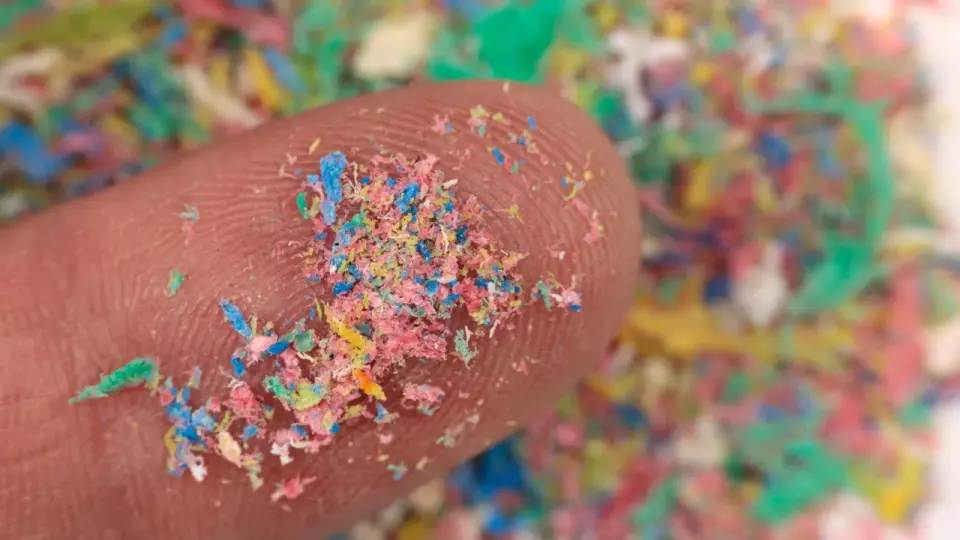
Researchers at South Korea’s World Institute of Kimchi found that a specific lactic acid bacterium from kimchi can bind to nanoplastics in the gut. In mouse trials, this probiotic doubled the amount of nanoplastics excreted in feces, suggesting fermented foods may offer a biological defense against plastic pollution.
Key points
- A lactic acid bacterium, Leuconostoc mesenteroides CBA3656, isolated from kimchi, demonstrated high adsorption efficiency for polystyrene nanoplastics.
- Under simulated human intestinal conditions, the kimchi-derived strain maintained a 57% adsorption rate, significantly outperforming a reference strain that dropped to 3%.
- In germ-free mouse models, administration of the probiotic resulted in more than a twofold increase in nanoplastics detected in feces compared to control groups.
- Nanoplastics, particles smaller than one micrometer, can cross intestinal barriers and accumulate in organs like the kidneys and brain, posing public health risks.
- The study, published in Bioresource Technology, suggests that traditional fermented foods may provide a new biological mechanism to reduce nanoplastic accumulation.
Background
This finding aligns with recent trends emphasizing the health benefits of fermented foods over supplements. Earlier coverage noted that while probiotic supplement use has tripled since 2009, dietary intake of fiber and fermented foods remains low. Experts have increasingly recommended adding fermented foods to diets to support gut health and microbial balance. This new research extends the potential benefits of these foods beyond general gut health to include the mitigation of environmental pollutants like nanoplastics, which are increasingly recognized as a public health concern alongside traditional environmental issues.
Why it matters
As plastic pollution becomes a significant public health issue, with nanoplastics entering the body through food and water, this research offers a potential dietary intervention. If validated in humans, kimchi-derived probiotics could serve as a natural method to prevent nanoplastics from accumulating in vital organs, reducing the risk associated with environmental micropollutants.
What to watch
The research team plans to continue expanding the scientific value of kimchi microbial resources to develop public health and environmental solutions. Further studies will likely be needed to confirm these findings in human subjects and to determine the optimal dosage and consumption patterns for maximizing nanoplastic excretion.
Want the full story? Read the original reporting
Read on ScienceDaily