
Five Chair-Based Moves to Enhance Balance and Reduce Fall Risk for Adults Over 65
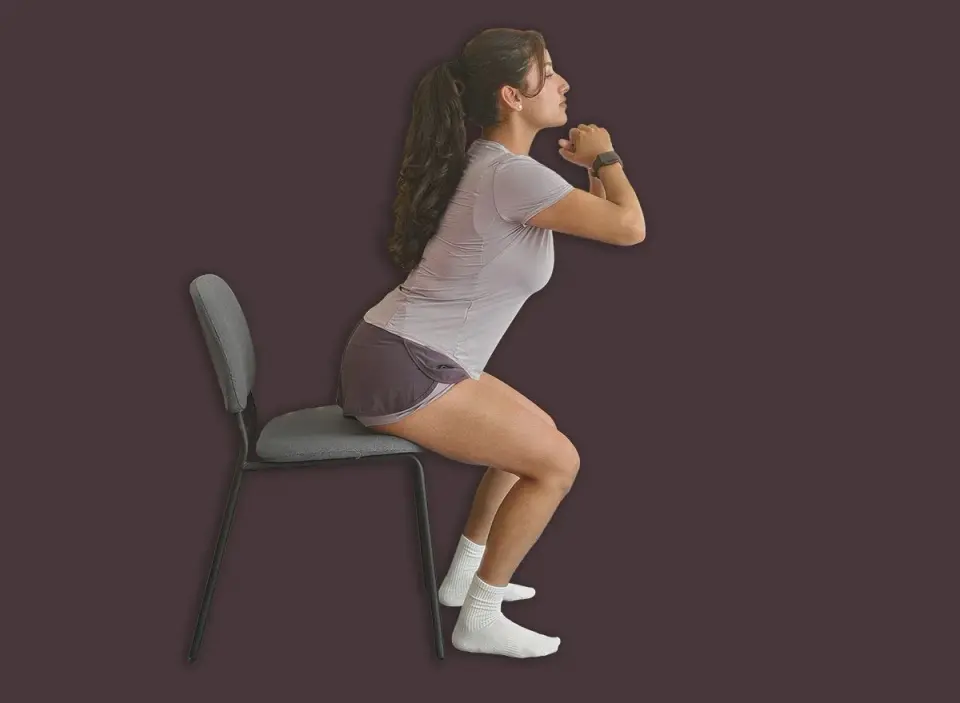
A new guide from Eat This Not That outlines five chair-based exercises designed to improve balance for adults over 65. The routine, developed with input from balanced body educator Portia Page, emphasizes safety and gradual progression to reduce fear of falling. Key movements include sit-to-stands, seated marching, heel-to-toe raises, weight shifts, and supported single-leg stands. These exercises target strength, coordination, and proprioception without requiring specialized equipment, offering a practical alternative to yoga for those with mobility concerns.
Key points
- Portia Page, a balanced body educator, advises that chair-based training provides security while challenging the body, reducing the fear associated with unsupported balance work.
- The first exercise, sit-to-stand, strengthens hips, glutes, and thighs by practicing the daily movement of standing up, requiring 2 to 3 sets of 8 to 12 reps.
- Seated marching involves lifting knees to hip height alternately to improve trunk stability and coordination, with recommendations for 2 to 3 sets of 10 to 20 reps.
- Seated heel-to-toe raises focus on ankle and calf strength by shifting weight between heels and toes, aiming for 10 to 15 reps of each movement.
- Seated weight shifts and reaches involve moving the center of mass laterally and reaching in various directions to simulate everyday tasks, performed for 5 to 8 reps per side.
- The final progression, supported standing weight shift to single-leg balance, bridges seated and unsupported work by holding one leg while gripping a chair, with 5 to 10 reps per side.
Background
Our archive indicates that chair-based routines have been increasingly recognized for improving walking endurance and leg strength in adults over 60. Previous coverage highlighted similar exercises, such as sit-to-stands and seated marches, as effective for building cardiovascular endurance and functional independence. The current article expands on these foundational moves by adding specific balance-focused techniques like weight shifts and single-leg holds, aligning with broader trends in accessible senior fitness.
Why it matters
For adults over 65, maintaining balance is critical to preventing falls, which are a leading cause of injury and loss of independence. This chair-based approach offers a low-risk, accessible method to enhance stability and confidence, allowing individuals to progress at their own pace without the intimidation of unsupported exercises. By integrating these movements into a routine, older adults can improve their functional independence and reduce the fear associated with balance challenges.
What to watch
Individuals should begin with the seated exercises and gradually progress to supported standing movements as their confidence and strength improve. Consistency is key, with recommended sets and reps for each exercise to ensure progressive overload. As balance improves, users can reduce their reliance on the chair, eventually transitioning to more challenging standing exercises. Monitoring progress and adjusting intensity based on comfort and safety will be essential for long-term success.
Want the full story? Read the original reporting
Read on Eat This Not That