
1940 Discovery of Lascaux Cave: How a Dog-Led Accident Changed Art History
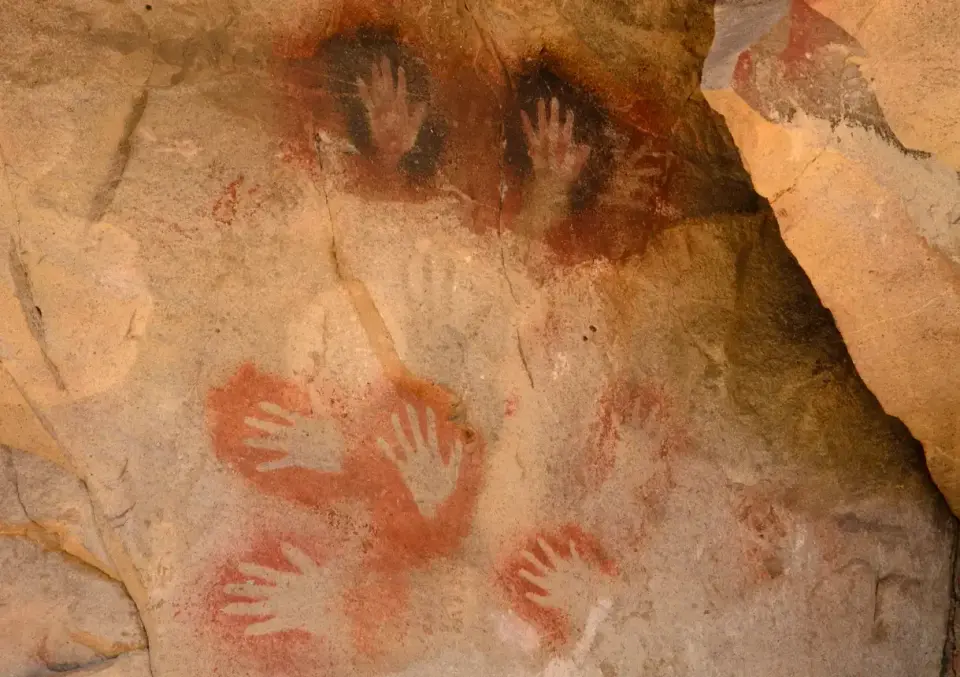
In 1940, four French teenagers, including 18-year-old Marcel Ravidat, discovered the Lascaux Cave after following a dog into a hole on a hillside. The site contained 17,000-year-old paintings of animals and geometric engravings. Public tourism later damaged the fragile environment, leading to its closure in 1963 and the creation of replicas like Lascaux IV.
Key points
- Marcel Ravidat and three peers discovered the cave in late summer 1940 after a fallen tree exposed an opening on Lascaux Hill.
- The cavern holds approximately 600 painted animals and 1,500 geometric engravings, dating back roughly 17,000 years.
- Prehistorian Henri Breuil authenticated the site in September 1940, confirming its immense scientific value.
- Public access from 1948 to 1963 caused biological damage due to moisture and heat from visitors.
- France created detailed replicas, including Lascaux IV in 2016, to preserve the original site while allowing public viewing.
Background
This story highlights the long-term impact of accidental discoveries on scientific understanding. While our archive notes recent paleontological finds in France, such as a 70-million-year-old titanosaur discovered by a dog walker in 2022, the Lascaux discovery remains a foundational moment in prehistoric art history. It established modern standards for cave conservation, proving that human presence can rapidly alter sealed ancient environments. Unlike the recent dinosaur find, Lascaux is not a new discovery but a historical event that reshaped how we view Ice Age culture and artifact preservation.
Why it matters
The Lascaux discovery overturned early assumptions that prehistoric humans lacked sophisticated visual and symbolic culture. It demonstrated advanced techniques like perspective and movement in art created 17,000 years ago. Furthermore, the subsequent damage caused by tourism led to global standards for protecting fragile archaeological sites, ensuring that such treasures are preserved for scientific study rather than commercial exploitation.
What to watch
The original Lascaux Cave remains strictly closed to the public to prevent further ecological damage. Conservationists continue to monitor air circulation and microbial threats within the sealed environment. Public access is limited to the detailed replicas, such as Lascaux IV, which use identical natural mineral materials to recreate the visual experience without harming the original paintings.
Want the full story? Read the original reporting
Read on Futura, le média qui explore le monde