
536 CE: The Year Scientists Now Rank as History's Darkest
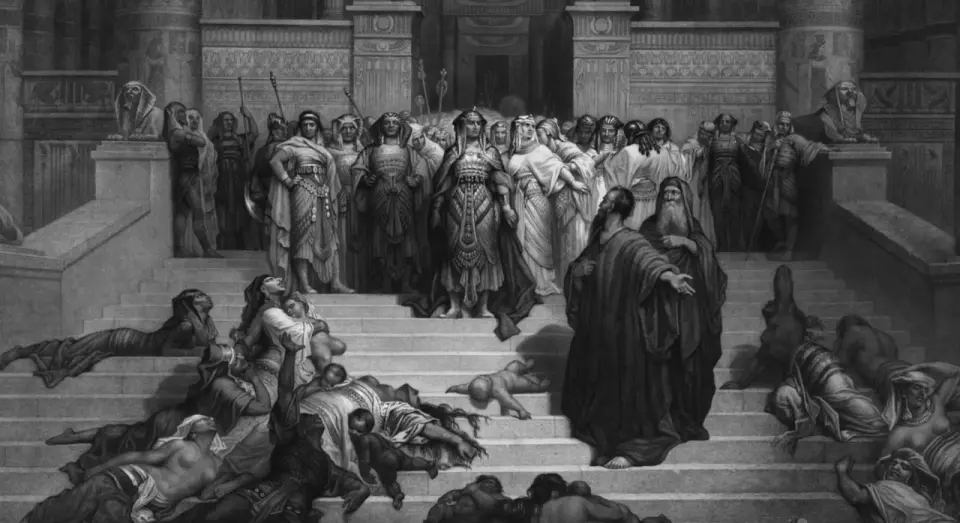
Harvard researchers argue that 536 CE, not 1918 or 1347, was the worst year in human history due to a mysterious volcanic dust fog that blocked sunlight for 18 months. This event triggered global famine and extreme cold, which was later compounded by the Plague of Justinian in 541. Evidence from ice cores and historical records confirms a decade of environmental collapse that devastated the Byzantine Empire and Mediterranean regions.
Key points
- Harvard archaeologist Michael McCormick and his team identify 536 CE as the most disastrous year in history, surpassing the Spanish flu and Black Death.
- A mysterious dust fog, likely caused by volcanic eruptions, blocked sunlight in Europe, the Middle East, and Asia for 18 months, causing a 'volcanic winter'.
- The event occurred during the tenth year of Emperor Justinian the Great's reign in the Byzantine Empire.
- Primary sources, such as Byzantine historian Procopius, described the sun as dim and moon-like, confirming the lack of brightness.
- The initial crisis was worsened by subsequent eruptions in 540 and 547, leading to the coldest years in 2,300 years and widespread famine.
- The Plague of Justinian arrived in 541, killing tens of thousands weekly and contributing to the collapse of the Eastern Roman Empire.
Background
Recent coverage has focused on modern public health vulnerabilities and subjective rankings of 'worst' events in sports and entertainment, but this article shifts the focus to historical climate science. Unlike previous archive items that discussed CDC funding cuts or UFC production critiques, this piece relies on archaeological and geological evidence to define a historical low point. The 2026-07-31 article on public health cuts highlights current surveillance gaps, whereas this story examines a historical pandemic that lasted until 767, offering a long-term perspective on how environmental shocks can destabilize civilizations.
Why it matters
Understanding 536 CE provides a critical baseline for assessing modern climate resilience and pandemic preparedness. The combination of volcanic winters and disease outbreaks demonstrates how environmental shocks can cascade into societal collapse. This historical precedent underscores the fragility of agricultural systems and public health infrastructure when faced with simultaneous, compounding crises, offering lessons for contemporary risk management.
What to watch
Researchers continue to analyze ice cores and tree rings to refine the timeline of volcanic eruptions and their climatic impacts. Further studies may reveal more details about the specific volcanic sources and the long-term demographic effects of the 536-547 period. As climate science advances, these historical records serve as vital data points for modeling future climate scenarios and understanding the potential consequences of severe volcanic winters.
Want the full story? Read the original reporting
Read on Futura, le média qui explore le monde