
Lundy Island’s 20-Year Rat Eradication Effort Restores Seabird Populations to Pre-2000 Levels
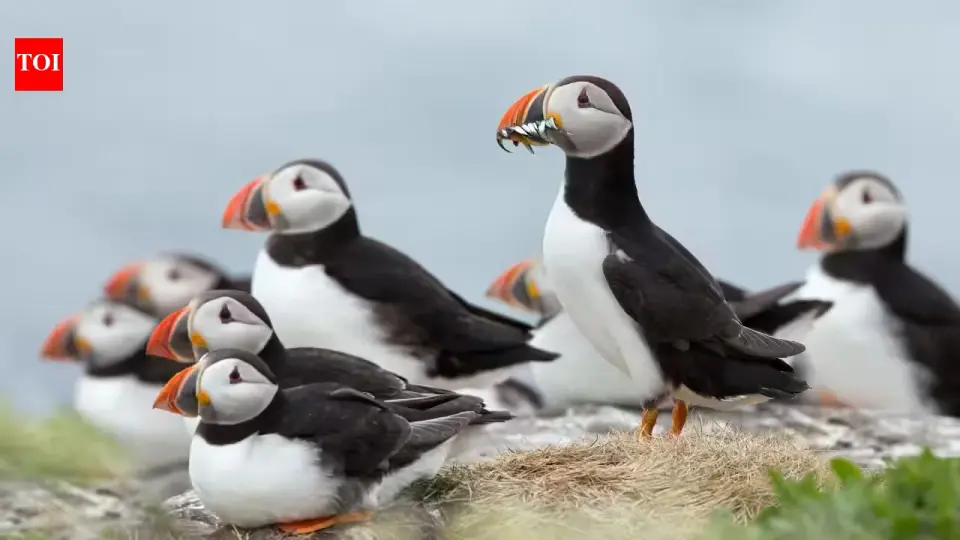
A 2002 rat eradication project on Lundy Island, England, has led to a massive recovery of seabird populations. Puffin numbers have surged from 13 individuals in 2000 to 1,335 today, and over 40,000 seabirds now nest on the island annually. The success relies on strict biosecurity measures to prevent reinvasion, serving as a model for global island conservation.
Key points
- In 2002, the Lundy Field Society and The Landmark Trust launched a project to eradicate brown rats from Lundy Island, located 12 miles off Devon, England.
- By 2000, invasive rats had reduced the puffin population to just 13 individuals, causing many other seabirds to abandon the island due to predation of eggs and chicks.
- Following successful eradication, puffin numbers have rebounded to 1,335, representing a more than 100-fold increase from the 2000 low point.
- The island now hosts over 40,000 nesting seabirds, including guillemots, razorbills, Manx shearwaters, and storm petrels, which have returned to previously empty burrows and cliff ledges.
- Ongoing biosecurity protocols, including vessel inspections and trap monitoring, are critical to maintaining the rat-free status and preventing reinvasion by a single breeding pair.
Background
This recovery mirrors trends seen elsewhere, such as the rapid population doubling of native birds on New Zealand’s Antipodes Island following mouse eradication in 2016–2018. Conversely, recent H5 avian influenza outbreaks in South Australia have highlighted the vulnerability of seabird colonies to new threats, underscoring the importance of maintaining healthy, resilient populations like those on Lundy. Additionally, research indicates that removing invasive rats can restore nutrient flows to coral reefs, further emphasizing the ecological ripple effects of such conservation efforts.
Why it matters
Lundy’s success demonstrates that large-scale invasive species eradication is feasible even on inhabited islands, provided there is community support and rigorous long-term monitoring. The case study offers a replicable model for other regions facing similar biodiversity losses, proving that removing a single key predator can trigger rapid ecosystem recovery and restore critical habitats for vulnerable species.
What to watch
Conservationists will continue to enforce strict biosecurity measures to ensure Lundy remains rat-free. Researchers will use the island’s long-term data sets to study ecological recovery patterns and refine monitoring techniques. The success of this project is expected to inspire similar eradication and restoration initiatives on other UK islands and globally, focusing on preventing reinvasion and sustaining the rebounding seabird populations.
Want the full story? Read the original reporting
Read on The Times of India