
New study warns East Antarctica's hidden Wilkes Basin could drive rapid sea-level rise
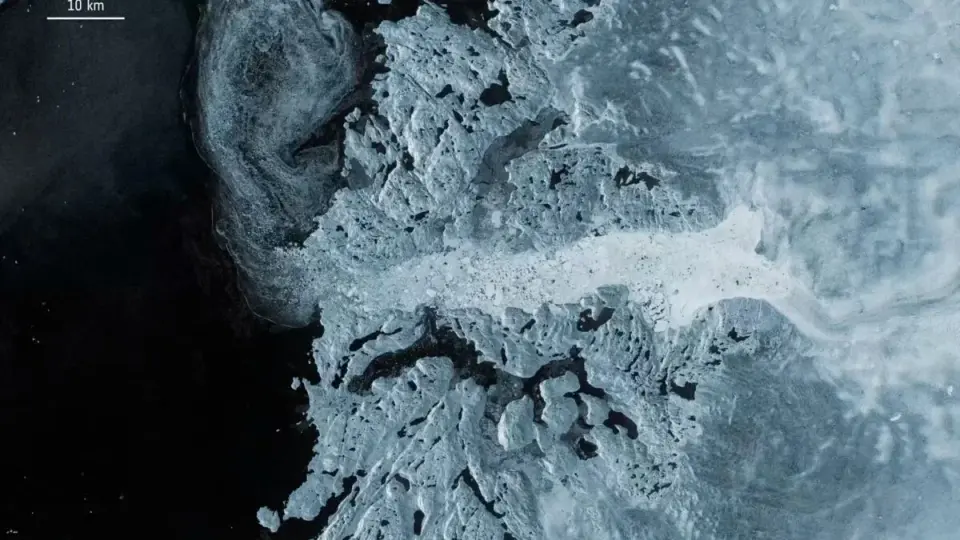
A new review in Nature Reviews Earth & Environment warns that the Wilkes Subglacial Basin in East Antarctica, long considered stable, may be vulnerable to rapid ice loss. The basin contains enough ice to raise global sea levels by 3 to 4 meters. Scientists urge urgent fieldwork to map the region, as current data is limited to radar and satellite observations.
Key points
- The Wilkes Subglacial Basin spans 1,400 kilometers along the Transantarctic Mountains and sits largely below sea level, making it susceptible to ocean-driven melting.
- If the basin's ice were to melt completely, it would contribute 3 to 4 meters to global mean sea level, according to the study.
- Computer models suggest retreat could reach 1 kilometer per year beyond bedrock pinning points, though the exact timing remains uncertain.
- The region is among the least explored in Antarctica, with no in-situ mapping of the seafloor or comprehensive ocean temperature data.
- Researchers call for a multinational, multiyear fieldwork program to reduce uncertainty and understand the basin's vulnerability to future warming.
Background
East Antarctica has traditionally been viewed as more stable than West Antarctica, but recent studies suggest this view may be outdated. The Wilkes Subglacial Basin has shown signs of change, including the thinning and collapse of ice shelves and increased ice flow from Cook Glacier, which now releases about 44 billion tons of ice into the ocean annually. Past warm periods, such as the Pliocene, saw significant retreat of Antarctic ice when global temperatures were 2 to 3 degrees Celsius higher, a level of warming projected by the end of this century.
How outlets are covering it
Gizmodo and The Conversation emphasize the urgency of the situation, highlighting the basin's potential to drive sea-level rise and the lack of direct observation. The Conversation notes that historical expeditions, including those led by Sir Douglas Mawson, failed to reach the basin due to tragic events and logistical challenges. Nature's review article provides a more technical perspective, focusing on the basin's geometry and the potential for rapid retreat, while also noting the uncertainty in timing and the need for further research. Futura, while not directly covering the Wilkes Basin, discusses the dynamic ocean conditions beneath the Ross Ice Shelf, underscoring the broader issue of ocean-driven ice loss in Antarctica. The sources agree on the need for more data but differ in their emphasis on the immediacy of the threat and the feasibility of future expeditions.
Why it matters
The Wilkes Subglacial Basin represents a significant, yet under-studied, source of potential sea-level rise. Its vulnerability to ocean warming could have profound implications for global sea levels, ocean circulation, and marine ecosystems. Understanding the basin's behavior is crucial for accurate climate projections and policy decisions. The lack of direct observation means that current models may underestimate the risk, making urgent fieldwork essential to mitigate potential future impacts.
What to watch
Researchers are calling for a multinational, multiyear fieldwork program to map the seafloor and monitor ocean conditions in the Wilkes Subglacial Basin. This effort will require advanced ice-breaking vessels and robotic sensors to access the region, which is currently protected by thick sea ice. Future studies will also include ice core drilling to analyze sediment and bedrock, providing insights into past ice retreat. The success of these efforts will depend on international cooperation and the development of new technologies to overcome the logistical challenges of accessing such a remote area.
- An Unmapped Region of Antarctica Could Be Harboring a Major Threat Gizmodo
- A climate threat may lurk beneath Antarctica's last great unknown Phys.org
- Dynamic instability of the Wilkes Subglacial Basin Ice Sheet, East Antarctica Nature
- Tragedy stopped Mawson exploring this remote Antarctic region. We must get there to study its melting ice The Conversation
- Scientists make a concerning discovery beneath Antarctica’s largest ice shelf Futura, le média qui explore le monde
Want the full story? Read the original reporting
Read on Gizmodo