
Orca Predation Displaces Great Whites, Triggering Ocean-Wide Ecological Shifts
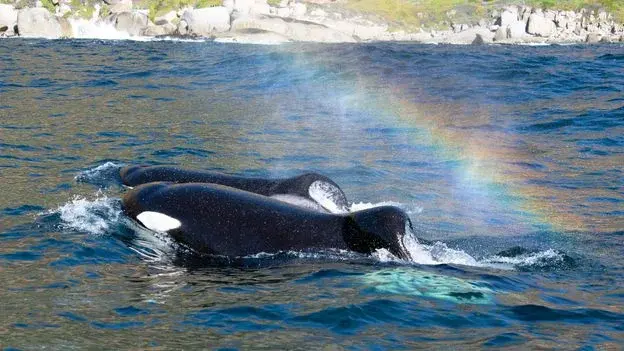
Orcas have emerged as the primary predators of great white sharks, a behavior confirmed through forensic evidence and drone footage across South Africa, California, and Australia. By targeting sharks' nutrient-rich livers, orcas have forced great whites to abandon traditional hunting grounds, causing significant ripple effects in marine food chains. This shift is exacerbated by climate change, which is bringing these two apex predators into closer proximity.
Key points
- In 2017, a series of mutilated great white shark carcasses in South Africa, characterized by extracted livers, pointed to two male orcas nicknamed Port and Starboard as the culprits.
- The definitive link between orcas and great white predation was established in 2022 after drone footage captured orcas in the Gulf of California and off South Africa’s coast actively hunting and extracting shark livers.
- Orcas utilize a technique that induces tonic immobility, a temporary paralysis, by flipping sharks upside down, allowing them to safely extract the liver, which constitutes up to 28% of a great white’s body weight.
- The presence of orcas has caused great white sharks to vacate key habitats like False Bay in Cape Town and Southeast Farallon Island in California, leading to a decline in seal predation and an increase in smaller fish and seal populations.
- Climate change is driving juvenile great white sharks into warmer waters where orca pods reside, creating new opportunities for orcas to apply their sophisticated, culturally learned hunting strategies to this new prey.
Background
Recent reports indicate that great white sharks are shifting their ranges northward into Canada’s Atlantic waters due to warming oceans and expanding seal populations. Additionally, a fatal shark attack in Western Australia in September 2026 prompted a rare cull order, highlighting ongoing tensions between humans and sharks. These movements underscore the broader ecological shifts affecting apex predators, which the current orca predation story further complicates by introducing a new top-tier threat to great whites.
Why it matters
The displacement of great white sharks by orcas is not merely a change in predator-prey dynamics but a fundamental restructuring of marine ecosystems. As great whites leave traditional hunting grounds, the populations of their prey, such as seals and smaller fish, are increasing, which in turn affects the entire food web. This cascade effect demonstrates how the introduction or increased activity of one apex predator can have profound, immediate consequences for biodiversity and ecosystem stability in the world's oceans.
What to watch
Scientists are monitoring whether the hunting behavior of orcas will continue to spread across different pods and regions. Researchers are also investigating if the displacement of great whites will lead to permanent changes in the distribution of marine species or if the sharks will eventually adapt to coexist with orcas in shared habitats. The long-term impact on the genetic diversity and population recovery of great white sharks remains a critical area of study.
Want the full story? Read the original reporting
Read on BBC