
Orionid Meteor Shower Peaks Oct 21-22: Best Viewing After Moonset
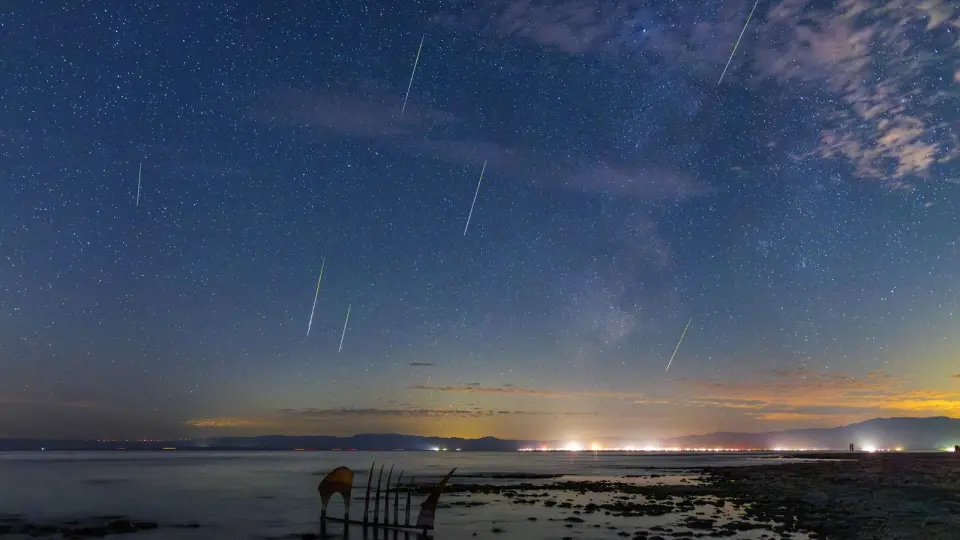
The 2026 Orionid meteor shower peaks overnight on October 21-22, offering up to 20 meteors per hour under dark skies. While a waxing gibbous moon hinders early evening viewing, it sets around 3 a.m., allowing optimal observation from 2 a.m. until dawn. The meteors originate from Halley's Comet debris and appear to radiate from near Betelgeuse in the constellation Orion.
Key points
- Peak activity occurs overnight on October 21-22, 2026.
- Best viewing times are between 2 a.m. and dawn, after the moon sets.
- Meteors appear to originate from the area near Betelgeuse in Orion.
- Expected rate is 15-20 meteors per hour under ideal conditions.
- The shower is caused by debris from Halley's Comet.
Background
Previous coverage noted that the Orionids are active from late September to November 7, 2026. Earlier reports highlighted that while the shower offers fast meteors at 41 miles per second, visibility can be impacted by moonlight and local weather conditions. The 2026 peak coincides with a waxing gibbous moon, which sets early enough to allow for a few hours of dark-sky observation.
How outlets are covering it
Space.com emphasizes the practical timing for observers, noting that Orion rises late but reaches its best position by 5 a.m. Sky & Telescope provides historical context, mentioning that the shower was first recorded in Chinese and Japanese texts around 585 A.D. and co-discovered in the West in the 1830s. Astronomy.com focuses on the specific viewing window, advising observers to wait until after the moon sets at 2:15 a.m. on October 21 to avoid light pollution. WGME offers a regional perspective for Maine, highlighting the event as a key celestial occurrence for the month. All sources agree on the peak dates and the origin of the meteors from Halley's Comet, but differ in their emphasis on historical background versus practical viewing tips.
Why it matters
The Orionid meteor shower is one of the most reliable annual events for amateur astronomers, offering a chance to observe fast-moving meteors without specialized equipment. Understanding the timing and location of the radiant helps observers maximize their viewing experience, especially when moonlight is a factor. The event also serves as a reminder of the connection between modern meteor showers and historical comets like Halley's Comet.
What to watch
Observers should plan to view the shower from October 21-22, focusing on the pre-dawn hours after the moon sets. If weather or moonlight prevents viewing during the peak, the shower remains active until November 7, 2026, offering additional opportunities for observation. Future years will see similar peaks, but the 2026 event is notable for its alignment with a waxing gibbous moon that sets early enough to allow for a few hours of dark-sky viewing.
- How to see the Orionid meteor shower 2026 peak this week — and when to look Space
- Rise Early on October 22nd for the Orionid Meteor Shower Sky & Telescope
- Look up! Celestial events to watch in Maine this October WGME
- The Sky This Week from October 16 to 23: The Orionid meteor shower peaks Astronomy.com
- Orionids on track to dazzle next week across the Ozarks OzarksFirst.com
Want the full story? Read the original reporting
Read on Space