Tag

Apex Predators

All articles tagged with #apex predators

Colossal Cretaceous Kraken? Study hints at 60-foot octopuses in ancient seas
science23 days ago

Colossal Cretaceous Kraken? Study hints at 60-foot octopuses in ancient seas

A Science study using 15 fossil octopus beaks and AI-based size estimates suggests 60-foot octopuses may have been apex predators in the Late Cretaceous (72–100 million years ago), capable of preying on large creatures like sharks and mosasaurs, though some paleontologists call the 60-foot figure extreme and caution that more evidence is needed.

Ancient Kraken: 62-Foot Giant Octopuses Roamed the Cretaceous Seas
science29 days ago

Ancient Kraken: 62-Foot Giant Octopuses Roamed the Cretaceous Seas

Fossilized beaks from two giant Cretaceous octopuses suggest they grew up to 62 feet long and hunted in oceans about 100 million years ago, potentially rivalling apex predators like mosasaurs and plesiosaurs. Jaws show wear indicating they could dismantle hard-shelled prey, and signs of lateralized behavior imply brainier hunting patterns similar to modern octopuses, marking them as prehistoric top predators, though size estimates carry uncertainties.

The Arctic’s True Super-Predator Revealed
science10 months ago

The Arctic’s True Super-Predator Revealed

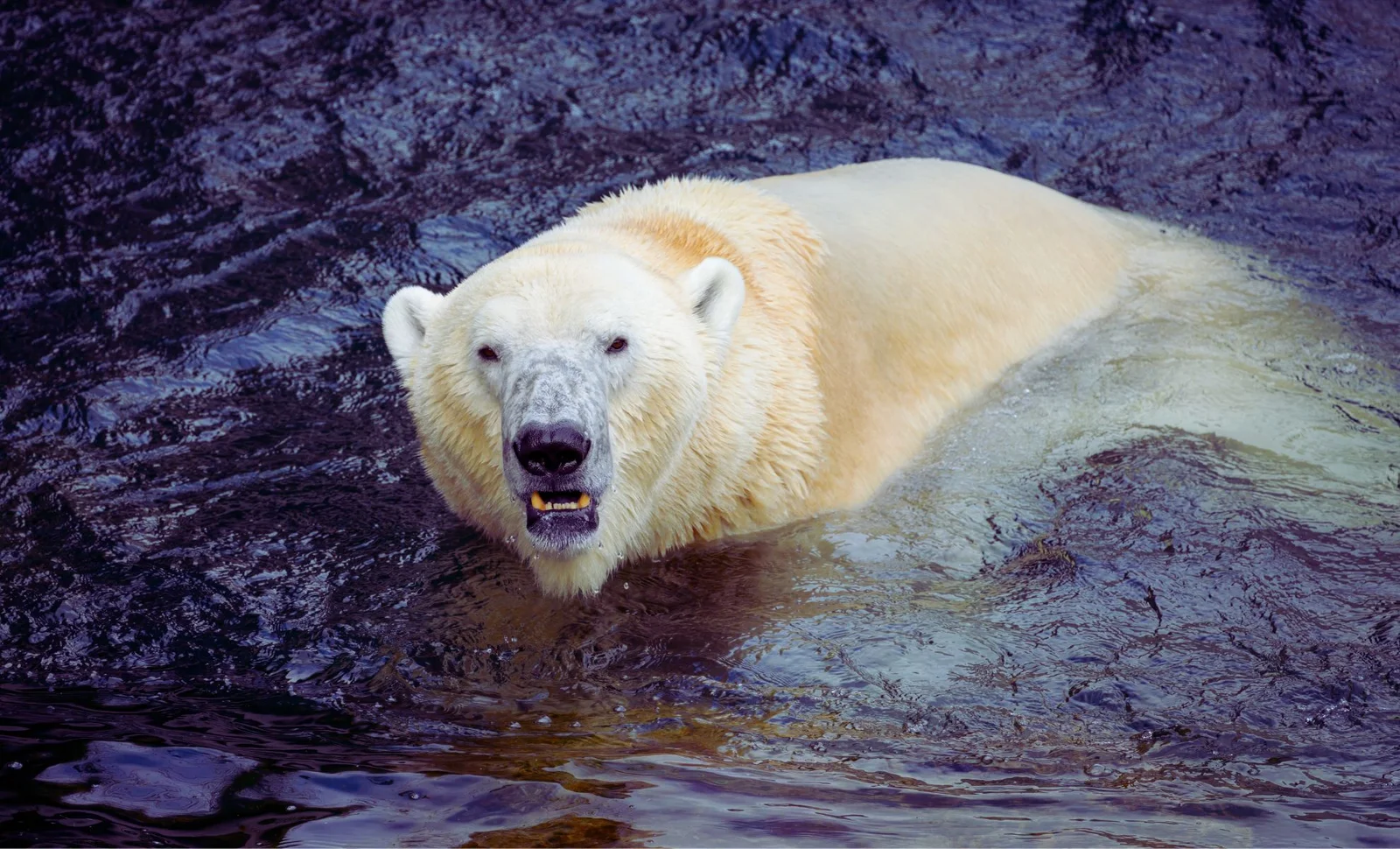
A recent study reveals that in the Arctic, sea stars, particularly from the Pterasteridae family, are top predators in the benthic (seafloor) ecosystem, challenging the traditional view that polar bears are the ultimate predators in the region. These sea stars play a crucial role in maintaining ecosystem balance by hunting and scavenging, highlighting the complexity of Arctic food webs and the importance of benthic predators for overall ecosystem health.

Study Reveals Ancient Humans as Top Predators for Millennia
science1 year ago

Study Reveals Ancient Humans as Top Predators for Millennia

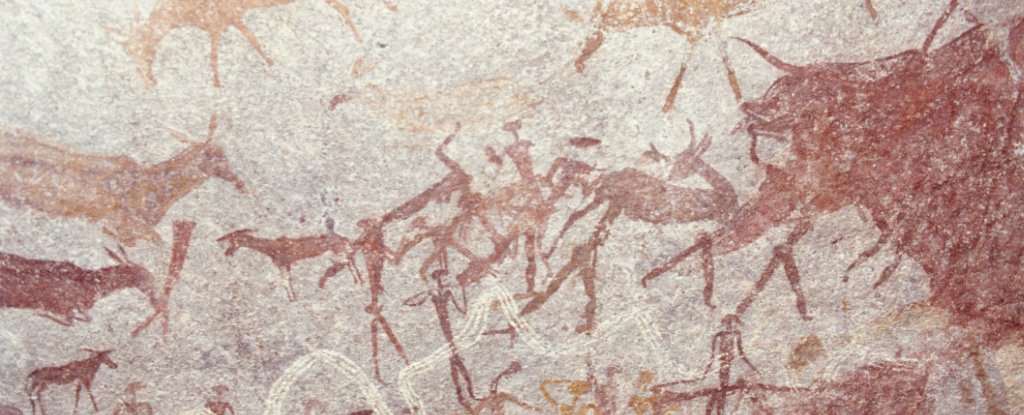
A study by anthropologists from Tel Aviv University and the University of Minho suggests that ancient humans and their ancestors were apex predators for about 2 million years, primarily consuming meat from large animals like elephants and mammoths. This challenges the modern perception of Paleolithic diets as balanced with plant consumption. The research, published in the American Journal of Physical Anthropology, highlights that our evolutionary past involved a meat-rich diet, which is reflected in our metabolism, genetics, and physical traits, although it doesn't imply modern dietary recommendations.

"Long-Term Study Shows Apex Predators Not Quick Fix for Ecosystem Restoration"
environment2 years ago

"Long-Term Study Shows Apex Predators Not Quick Fix for Ecosystem Restoration"

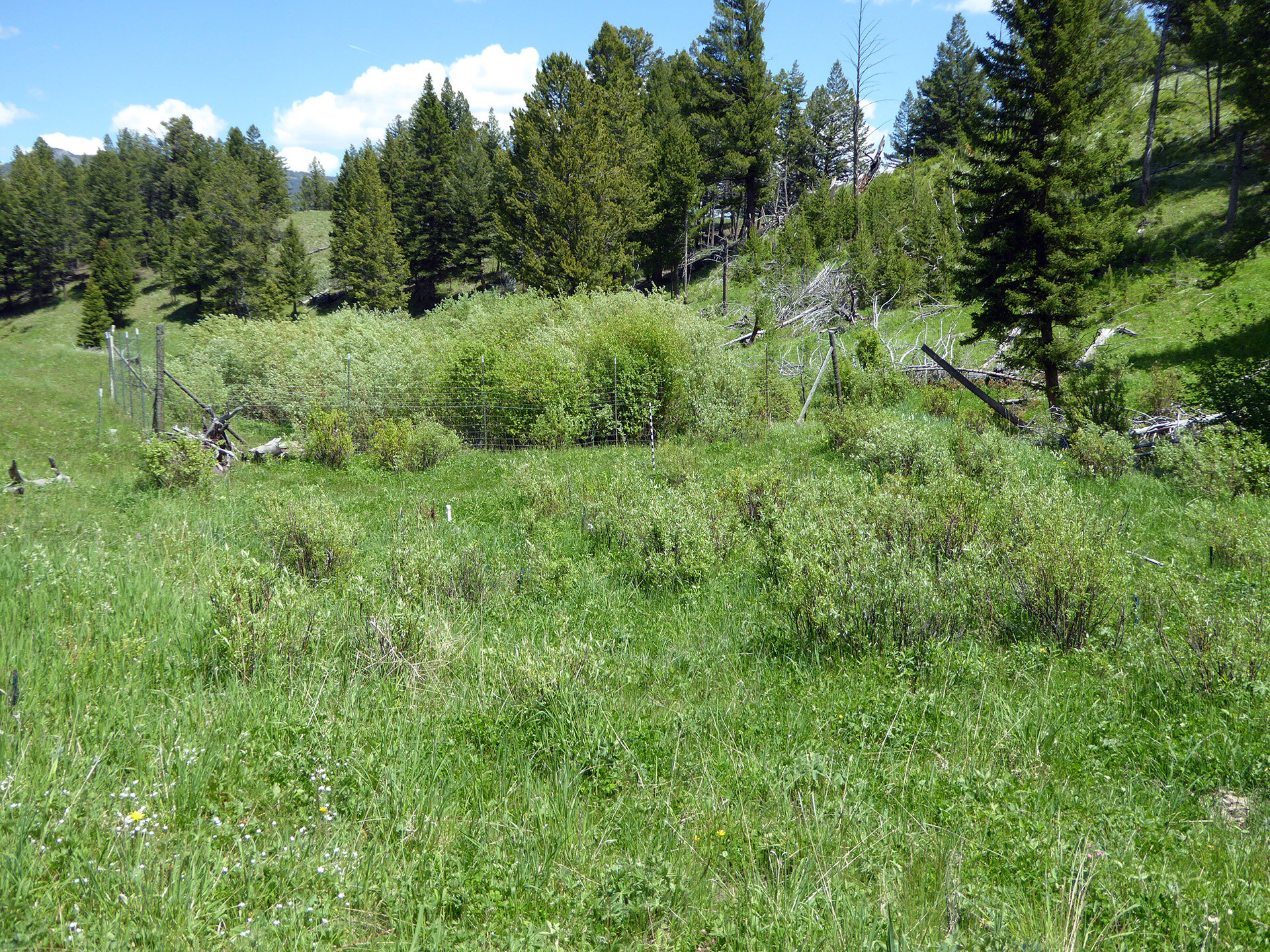
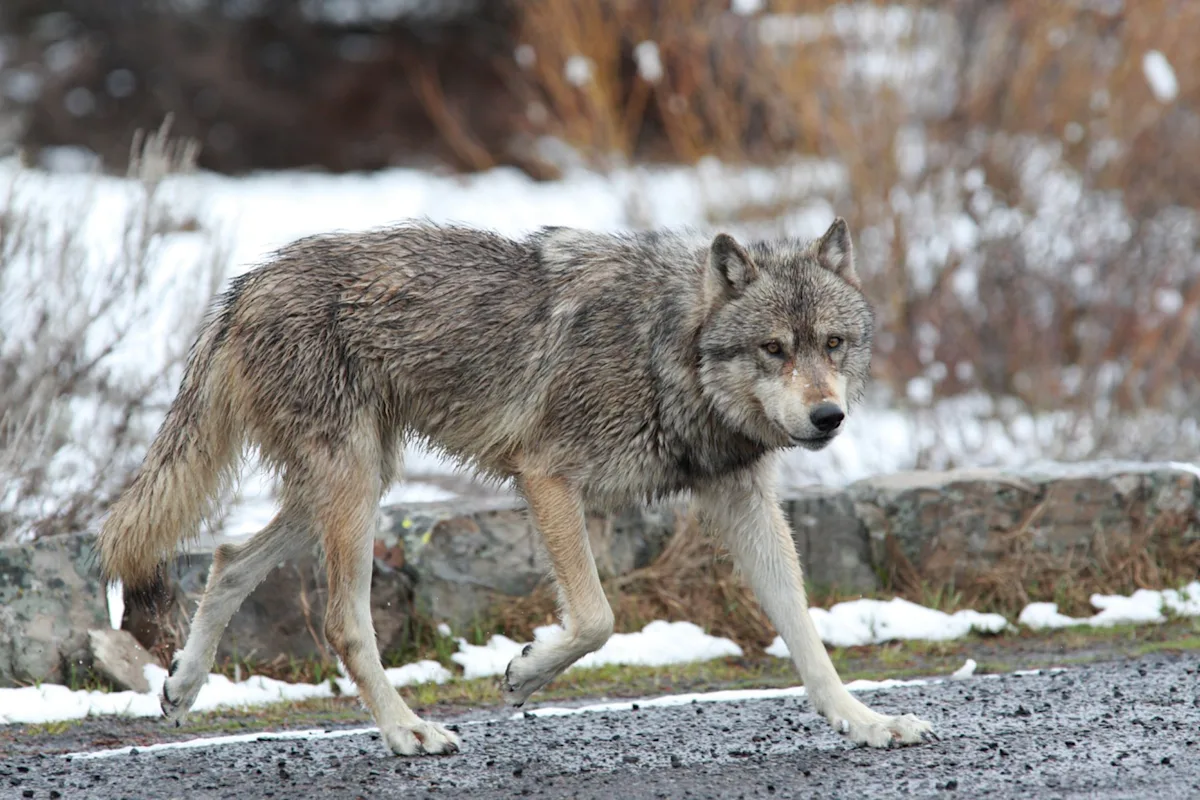
A 20-year study by Colorado State University challenges the belief that reintroducing apex predators, such as wolves, can quickly restore ecosystems. The absence of apex predators in Yellowstone for nearly a century transformed the landscape and food web, leading to lasting changes that were not reversed even after the predators were reintroduced. The study emphasizes that restoring apex predators is not a quick fix for ecosystem restoration and highlights the complex and long-term effects of their absence. While the reintroduction of wolves may have some ecosystem benefits, the study suggests that maintaining the integrity of the food web and preserving top predators is crucial for the long-term health of ecosystems.

The Rising Intelligence of Orcas: Terrifying Behaviors Unveiled
animal-behavior2 years ago

The Rising Intelligence of Orcas: Terrifying Behaviors Unveiled

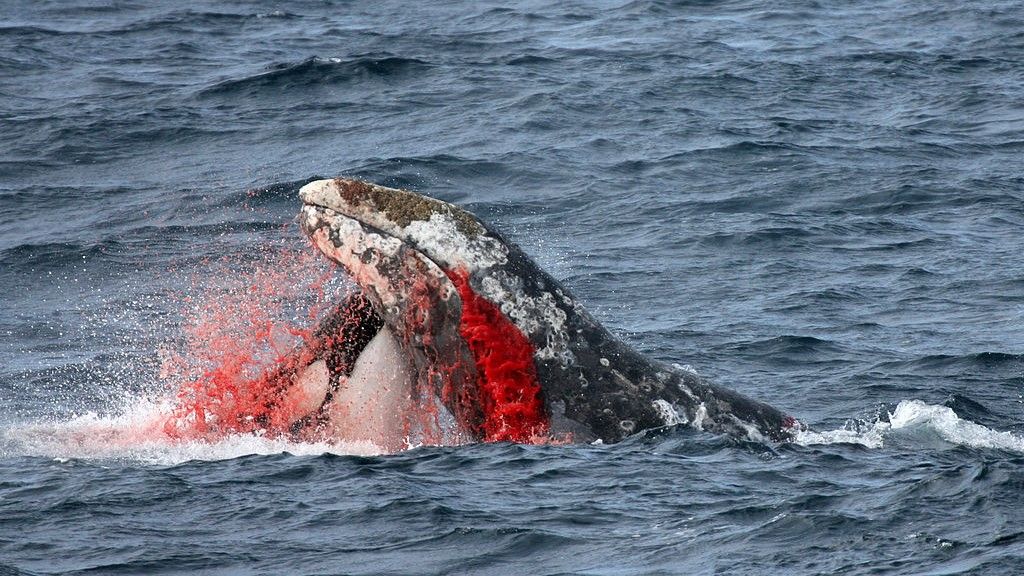
Recent observations of orcas engaging in new and terrifying behaviors, such as attacking blue whales, abducting baby pilot whales, tearing open sharks to feast on their livers, and even ramming and sinking boats, have raised questions about whether orcas are getting smarter. While their brains are not likely changing on an anatomical level, orcas are fast learners and can teach each other new tricks, becoming "smarter" as a group. Some of these behaviors may be age-old but only now being documented, while others may be influenced by frequent interactions with humans and changing environments. Human activities, such as fishing and climate change, may indirectly drive orcas to adapt and rely on social learning to survive.

Ancient Apex Predators: Earth's Pre-Dinosaur Bloodthirsty Beasts Revealed
paleontology2 years ago

Ancient Apex Predators: Earth's Pre-Dinosaur Bloodthirsty Beasts Revealed

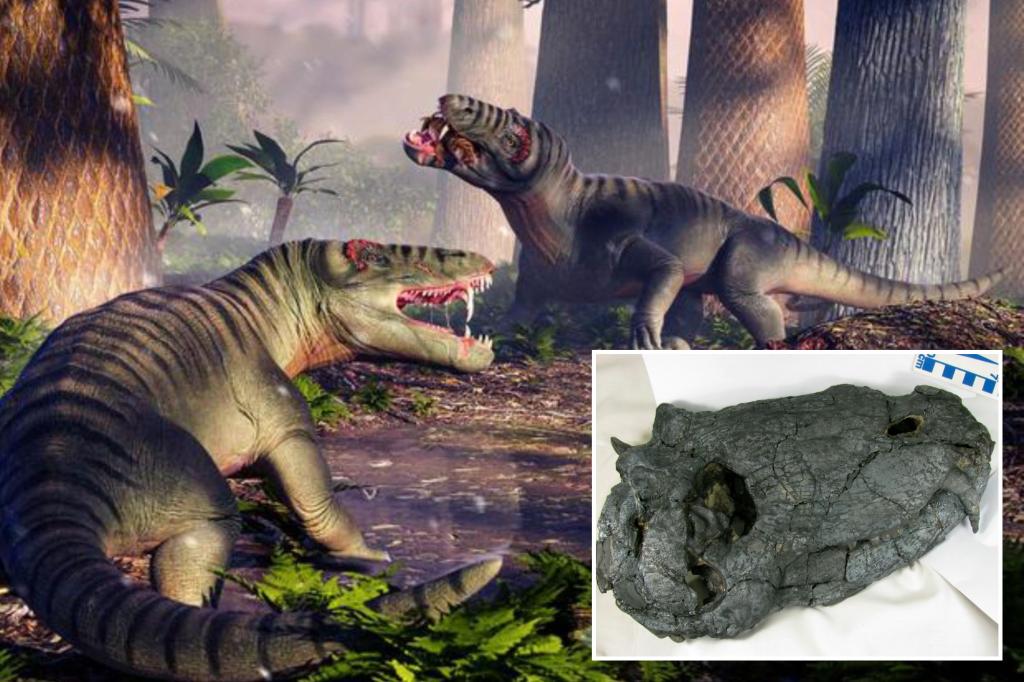
A new archaeological study has revealed the existence of Pampaphoneus biccai, apex predators that dominated the Earth 40 million years before the dinosaurs. The discovery of a nearly complete skull in Brazil provides insight into the community structure of terrestrial ecosystems prior to the largest mass extinction event in history. Pampaphoneus biccai, part of the therapsid family, was the largest terrestrial predator known from the Permian period in South America. These prehistoric beasts had thick cranial bones and were comparable to modern-day big cats in their ecological role.

Unlikely Friendship: Great White Sharks Forge Unbreakable Bond
marine-biology2 years ago

Unlikely Friendship: Great White Sharks Forge Unbreakable Bond

Scientists have discovered two great white sharks, named Simon and Jekyll, who have been traveling together for over 4,000 miles along the coast of North America. This is unusual as great white sharks are known to lead solitary lives. The researchers believe that the sharks may be buddies, possibly due to reasons such as mating, fending off predators, or finding food. Blood samples will be analyzed to determine if they are siblings.

"Unprecedented Discovery: Rare Sighting of Dual Great White Shark Expedition Stuns Scientists"
marine-biology2 years ago

"Unprecedented Discovery: Rare Sighting of Dual Great White Shark Expedition Stuns Scientists"

Two great white sharks, named Simon and Jekyll, have surprised researchers by traveling together for thousands of miles along the Atlantic coast. This discovery challenges the belief that great white sharks are solitary creatures. The nonprofit research organization OCEARCH, which tagged the sharks, is now analyzing blood samples to determine if the sharks are related. The development is considered potentially groundbreaking and sheds new light on the behavior of these apex predators.

Saber-Toothed Predator Unveils Insights into the "Great Dying" Extinction Event.
paleontology3 years ago

Saber-Toothed Predator Unveils Insights into the "Great Dying" Extinction Event.

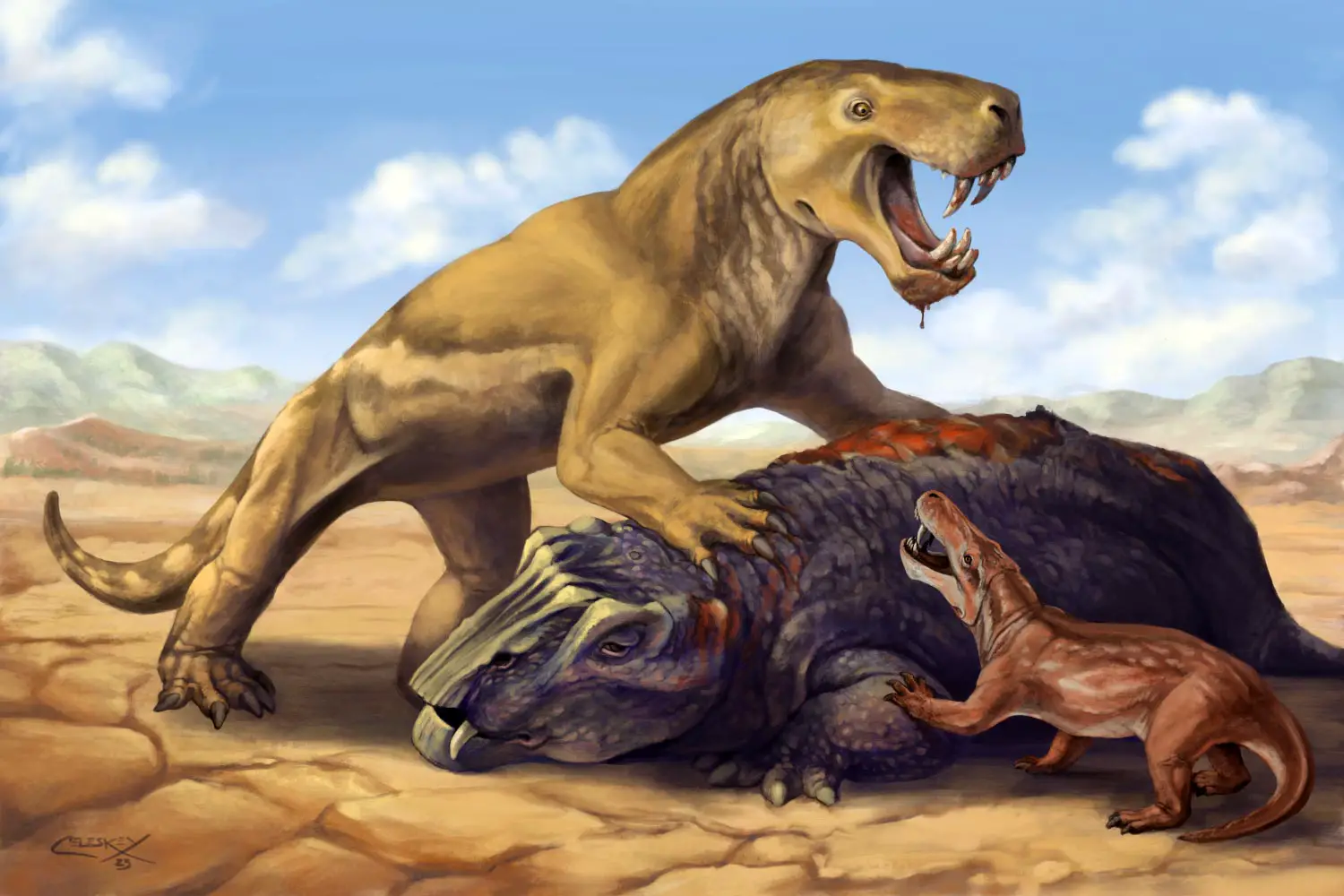
Fossils of Inostrancevia, a saber-toothed predator the size of a tiger, were discovered in South Africa's Karoo Basin, 7,000 miles from its original habitat in Russia. The creature filled a gap left by extinct top predators in a far-flung ecosystem before becoming extinct itself, indicating that apex predators could serve as early indicators of impending mass extinctions. Researchers draw parallels between these prehistoric patterns and current ecological crises, underscoring the importance of understanding ancient extinction events to predict and possibly mitigate today's biodiversity loss.

Monstrous Ecosystem Discovered in Paja Formation
paleontology3 years ago

Monstrous Ecosystem Discovered in Paja Formation

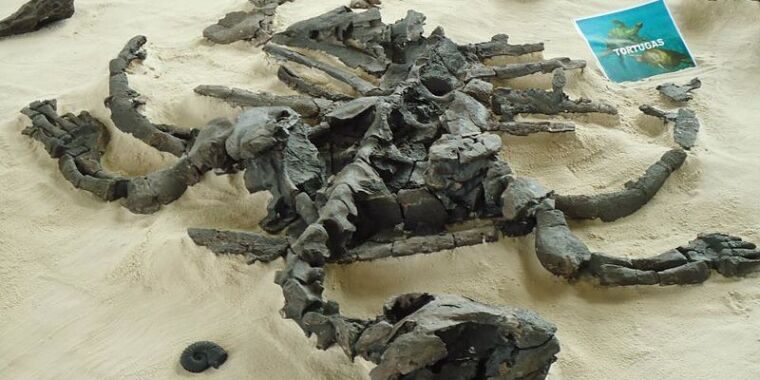
Fossils from the Paja Formation in Colombia are helping researchers understand the ancient ecosystem that supported a diverse range of apex predators, including massive marine reptiles. By analyzing the size and teeth of various species, researchers are reconstructing the trophic food web of the early Cretaceous period. The findings may offer insights into how the ecosystem flourished after a mass extinction event.