
Penguin Guano Drives Green Algal Blooms, Accelerating Antarctic Snowmelt
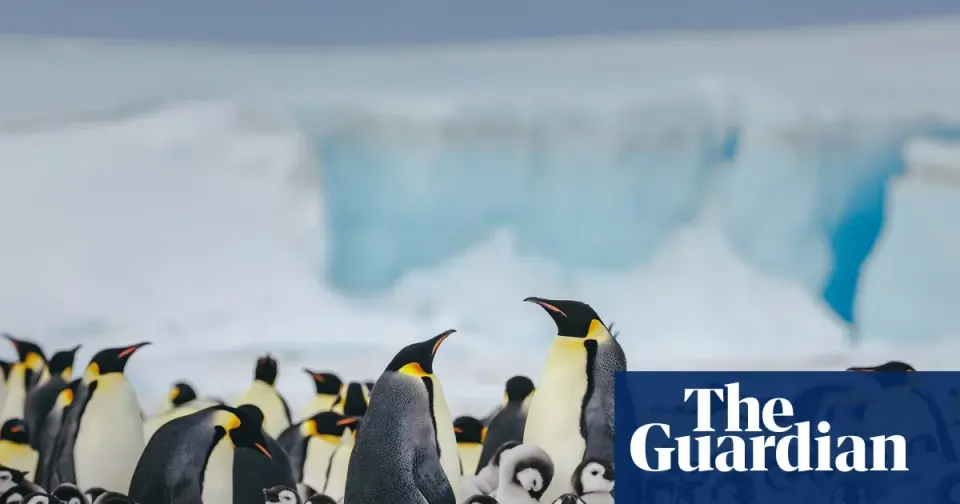
A study published in the Journal of Geophysical Research: Biogeosciences reveals that penguin droppings fertilize snow algae in Antarctica, turning snow green and accelerating melting. Researchers found that high phosphorus levels from guano boost chlorophyll production, making snow absorb more solar energy. This biological darkening effect is currently missing from climate models, potentially leading to underestimations of ice loss as penguin colonies shift southward.
Key points
- Alia Khan and colleagues analyzed 111 snow samples from 9 locations along the West Antarctic Peninsula during the 2025 summer season.
- Green snow samples contained median phosphate concentrations of 113.8 µM, roughly 10 times higher than the 11.43 µM found in red snow samples.
- Green algae had nearly seven times more chlorophyll a than red algae, significantly increasing solar energy absorption and melting rates.
- Penguins and other birds transfer phosphorus from marine ecosystems to coastal snowfields via guano, feathers, and eggshells, creating nutrient hotspots.
- Current projections of Antarctic melting do not account for this biological darkening phenomenon, which may become more significant as penguins move closer to the South Pole.
Background
This finding builds on earlier concerns about Antarctic ecosystem shifts. In October 2026, reports highlighted how chinstrap penguin populations on Zavodovski Island have declined by 63% since 2011 due to krill displacement, while other studies noted record ice loss on Vega Island. The current study adds a new biological variable to these climate-driven changes, suggesting that wildlife activity directly influences snow albedo and melt rates.
How outlets are covering it
The Guardian emphasizes the direct causal link between penguin movement and accelerated melting, highlighting the potential for this phenomenon to affect a wider area as temperatures rise. Wodne Sprawy provides a more nuanced technical analysis, noting that while phosphorus levels correlate with algal blooms, the relationship is not straightforward. They point out that high phosphate concentrations may result from both animal fertilization and the algal bloom itself, where algae consume nitrogen and release excess phosphates into meltwater. Both sources agree that this mechanism is currently absent from climate models, but Wodne Sprawy stresses the limitations of a single-season study, calling for long-term research to determine cause and effect.
Why it matters
Understanding the role of wildlife in snow albedo is critical for accurate climate modeling. If penguin guano continues to drive green algal blooms, it could accelerate ice loss beyond current projections. This biological feedback loop adds a new dimension to Antarctic climate change, linking marine ecosystems, wildlife migration, and glacial stability in ways not previously accounted for in global warming scenarios.
What to watch
Researchers will need to conduct long-term studies to determine how changes in bird colony distribution influence algal blooms and snowmelt. Climate models must be updated to include biological darkening effects from wildlife inputs. Monitoring phosphorus levels and algal pigments across different seasons and locations will help clarify the causal relationship between guano deposition and snow melting.
Want the full story? Read the original reporting
Read on The Guardian