
Humans Outweigh All Wild Land Mammals by a Factor of Twenty
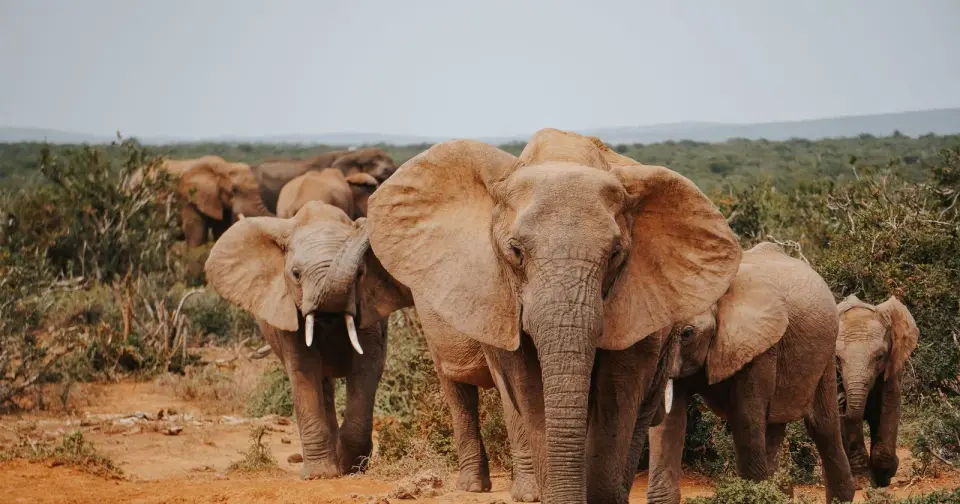
A 2023 study estimates that all wild land mammals on Earth weigh approximately 20 million tonnes, roughly 3 kilograms per person, compared to humanity's combined weight of 390 million tonnes. This stark ratio highlights the dominance of humans and their livestock over wild species, with domestic animals like pigs and cattle far exceeding the total biomass of wild mammals.
Key points
- The combined weight of all wild land mammals is estimated at 20 million tonnes, equating to about 3 kilograms per person globally.
- Humanity's total weight is estimated at 390 million tonnes, making humans roughly 20 times heavier than all wild land mammals combined.
- Livestock biomass is estimated at 630 million tonnes, with cattle alone accounting for 420 million tonnes, which is about 30 times the weight of all wild land mammals.
- The weight of wild land mammals is concentrated in a few large herbivores; white-tailed deer, wild boar, and African elephants are the heaviest, with the deer and boar family comprising roughly half of the total wild weight.
- The study's findings are based on direct counts for about half of the species and modeling for the rest, indicating significant uncertainty in the exact figures, though the ratio remains robust across various estimates.
Background
This finding aligns with broader ecological shifts observed in human history, such as the early human butchery of elephants in Tanzania 1.8 million years ago, which marked a significant technological and ecological shift. The current biomass disparity underscores the profound impact of human activity on global ecosystems, contrasting with the natural balance of the past.
Why it matters
The stark disparity in biomass between humans, livestock, and wild mammals underscores the profound impact of human activity on global ecosystems. This metric provides a tangible measure of humanity's dominance over the natural world, highlighting the need for conservation efforts and sustainable practices to address the imbalance and preserve biodiversity.
What to watch
Researchers and conservationists will likely use these biomass metrics to set more informed conservation goals and assess long-term global ecological trends. The study's findings may also influence policy discussions on livestock management and habitat preservation, aiming to mitigate the impact of human and domestic animal biomass on wild species.
Want the full story? Read the original reporting
Read on Space Daily