
DNA Analysis Rewrites History of 4,000-Year-Old Stonehenge Burial as Female Metalworker
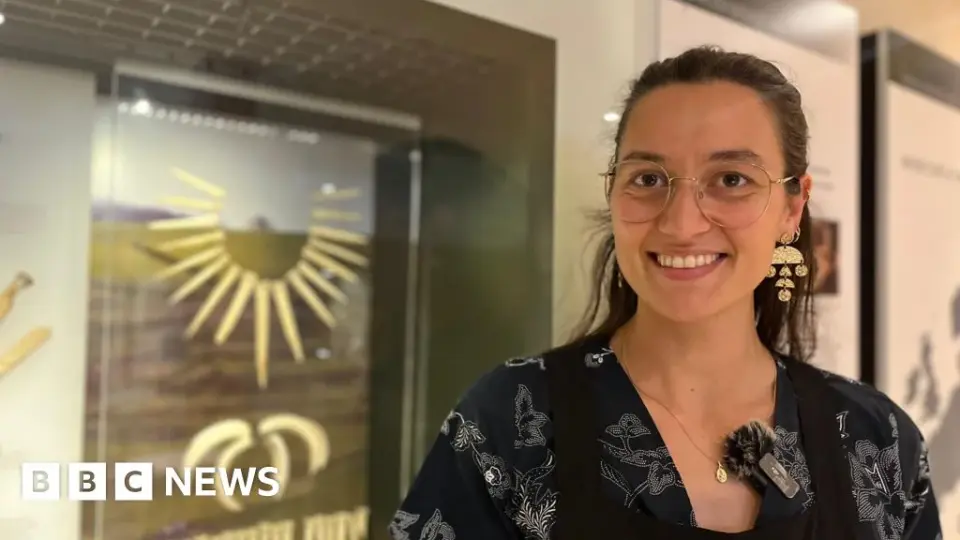
New genetic testing confirms a 4,000-year-old skeleton found near Stonehenge was female, overturning 200 years of assumptions that it was a male. The individual, identified as a metalworker and shaman, challenges previous views on gender roles in early Bronze Age Britain.
Key points
- DNA analysis from the Francis Crick Institute confirmed the skeleton had XX chromosomes, identifying the individual as female.
- The skeleton was originally discovered in 1803 by William Cunnington, who misidentified it as a 'stout man' due to robust bone structure.
- Experts attribute the robust appearance to post-menopausal hormonal changes, which can make female bones appear more masculine.
- Buried items, including a touchstone and ochre bowls, indicate the woman was a metalworker, while bone necklaces suggest she was a shaman.
- The discovery highlights women's central role in early Bronze Age technology and society, contradicting long-held stereotypes.
Background
This finding builds on earlier reports from August 2026 that highlighted the same DNA analysis, which challenged traditional narratives about Bronze Age gender roles. It follows other recent archaeological discoveries, such as a 2,700-year-old bronze sword found in Poland, that are reshaping our understanding of ancient craftsmanship and social structures.
Why it matters
This discovery fundamentally alters the historical narrative of early Bronze Age Britain by demonstrating that women held significant roles as craftspeople and spiritual leaders. It underscores the importance of modern genetic analysis in correcting long-standing archaeological errors and provides a more accurate picture of gender dynamics in ancient societies.
What to watch
The Wiltshire Museum is updating its display descriptions to reflect the new findings. The skeleton's story is featured in the 'We Go Way Back' exhibition at the Francis Crick Institute, which continues to study ancient genomes to refine historical understanding.
Want the full story? Read the original reporting
Read on BBC