
Steve Backshall Identifies Eight Apex Predators Defined by Lethal Adaptations
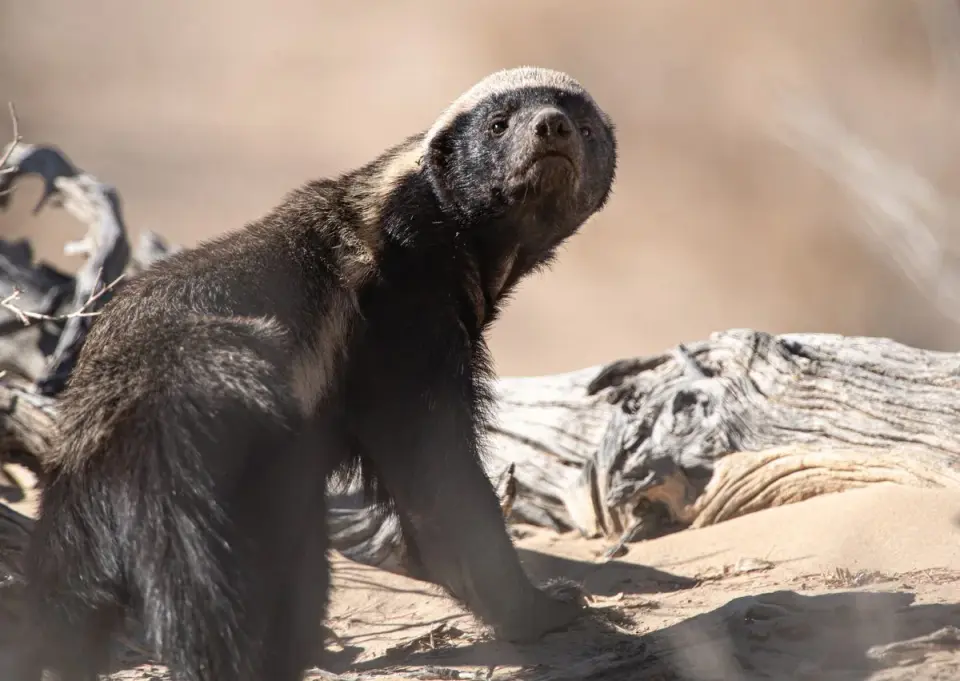
Steve Backshall highlights eight animals that excel as hunters due to specific physical or behavioral adaptations. The list includes the ghost bat, honey badger, bluefin tuna, Harris’s hawk, hammerhead shark, mantis shrimp, alligator snapping turtle, and giant cuttlefish. Each species is noted for traits such as speed, teamwork, sensory detection, or striking power, illustrating how these creatures dominate their respective environments.
Key points
- The ghost or false vampire bat is identified as the largest carnivorous bat, using fangs to hunt frogs, lizards, birds, and other bats.
- The honey badger and wolverine are noted for their ability to confront prey much larger than themselves, with the badger capable of driving off lions and the wolverine able to kill moose.
- Bluefin tuna are highlighted for their sustained speed, reaching 65 km/h by folding fins into body slots to reduce drag, unlike fish that only achieve high speeds in short bursts.
- Harris’s hawks are distinguished by their cooperative hunting style, which yields twice as much food per bird compared to individual hunting, as one bird flushes prey for others to catch.
- Hammerhead sharks possess broad heads that spread electrical receptors, allowing them to detect prey from up to 10 meters away, including buried objects.
- Mantis shrimp are described as capable of striking so fast that they can break through bulletproof glass, using barbed forelegs to kill prey in milliseconds.
Background
This briefing follows recent coverage of international security and sports awards, but focuses exclusively on wildlife biology. The archive contains no prior entries on animal predation or Steve Backshall’s commentary, making this a standalone feature on natural history.
Why it matters
Understanding these specific adaptations provides insight into evolutionary pressures that shape animal behavior. By analyzing how species like the mantis shrimp or cuttlefish optimize speed and sensory input, researchers can better comprehend the biological limits of predation and survival in various ecosystems.
What to watch
No further developments are anticipated from this single-source feature. Future coverage may expand on specific species mentioned, such as the honey badger’s intelligence or the bluefin tuna’s circulatory system, but no new data or expert opinions are currently available.
Want the full story? Read the original reporting
Read on BBC Wildlife Magazine