Tag

Wildlife Biology

All articles tagged with #wildlife biology

Steve Backshall Identifies Eight Apex Predators Defined by Lethal Adaptations
science-and-nature39 minutes ago

Steve Backshall Identifies Eight Apex Predators Defined by Lethal Adaptations

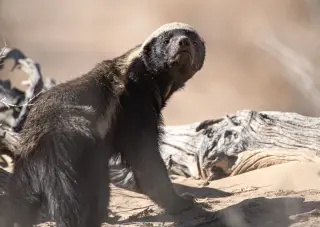
Steve Backshall highlights eight animals that excel as hunters due to specific physical or behavioral adaptations. The list includes the ghost bat, honey badger, bluefin tuna, Harris’s hawk, hammerhead shark, mantis shrimp, alligator snapping turtle, and giant cuttlefish. Each species is noted for traits such as speed, teamwork, sensory detection, or striking power, illustrating how these creatures dominate their respective environments.
Venomous Slow Loris Resurfaces in Indonesian Urban Areas After 90-Year Scientific Absence
science-and-nature29 days ago

Venomous Slow Loris Resurfaces in Indonesian Urban Areas After 90-Year Scientific Absence

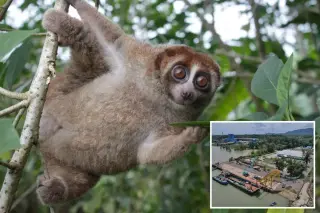
A study published in Spixiana confirms the existence of the Bangka slow loris, a venomous primate feared extinct since 1937. Researchers documented over 90 individuals in Indonesia between 2015 and 2025, finding them in urban backyards and on power lines. While 86 animals were successfully rehabilitated and released, the species remains critically endangered due to habitat loss from tin mining and oil palm plantations.

Cannibalistic male seals blamed for corkscrew pup injuries at Sable Island
science6 months ago

Cannibalistic male seals blamed for corkscrew pup injuries at Sable Island

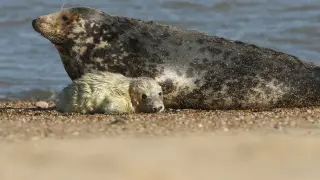
Researchers determined that corkscrew-shaped injuries found on gray seal pups at Sable Island, Nova Scotia, are caused by cannibalistic adult male gray seals rather than sharks or propellers. The 2024–2025 breeding seasons saw hundreds of pups with these markings (765 in 2024; 359 in a single day in 2025), with a first-hand attack observed in 2024. While cannibalism appears to be a natural behavior among males and is not expected to drastically reduce the ~75,000 pup production at the colony, it may have implications for other nearby seal populations such as harbor seals. The study, published in Marine Mammal Science (2026), notes that the exact cause of this behavior remains unknown.

"Polar Bear Survival: Insights from Collar Camera Footage"
climate2 years ago

"Polar Bear Survival: Insights from Collar Camera Footage"

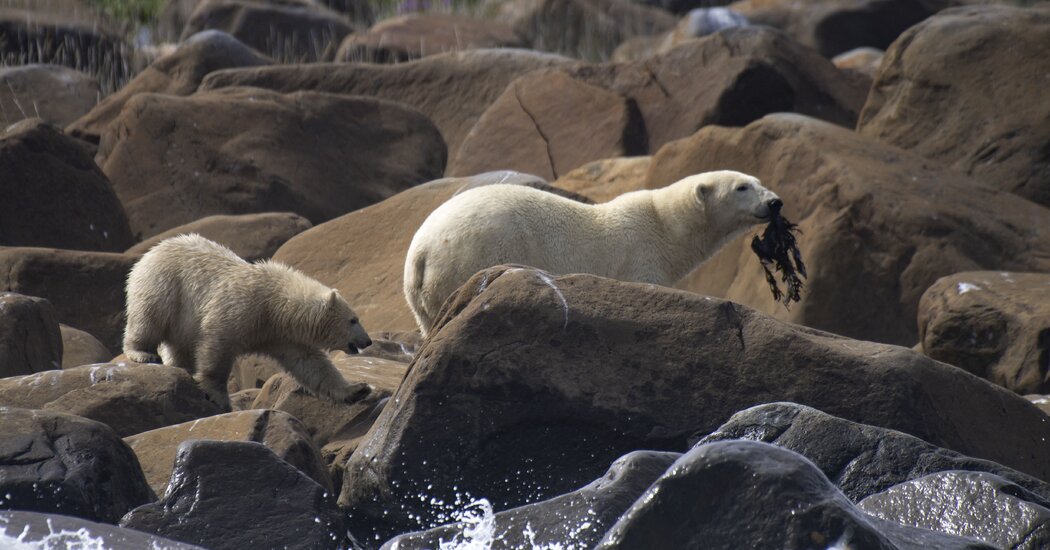
Scientists have used collars with cameras to track 20 polar bears in Manitoba and found that the bears' foraging for alternative food on land during ice-free months did not provide enough calories to maintain their body mass, as they spent more energy finding the food than they gained from it. With the ice-free period in western Hudson Bay now three weeks longer than in the 1970s, and polar bears spending about 130 days on land each year, the study highlights the challenges these animals face in a warming world, with potential implications for their survival.