
Wandering glider dragonfly confirmed as world's longest-migrating insect
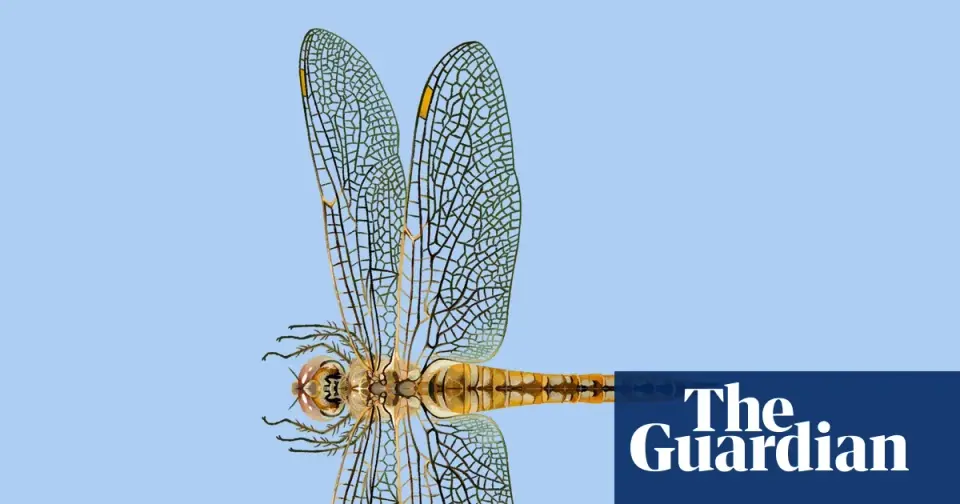
The wandering glider dragonfly, found on every continent except Antarctica, completes a multi-generational migration of up to 18,000km between India and East Africa. This 4.5cm insect, which can develop from larva to adult in as little as 38 days, rides monsoon winds across 3,500km of open ocean. Recent genetic and isotope studies confirm it functions as a single global population, making it the most extensive migratory insect known to science.
Key points
- The wandering glider (Pantala flavescens) is the only insect species found on all continents except Antarctica, ranging from sea level to over 6,000 metres in the Himalayas.
- Its migration route spans up to 18,000km across generations, connecting India and East Africa, with some individuals crossing 3,500km of the Indian Ocean using high-altitude monsoon winds.
- Larvae can mature in as few as 38 days, allowing females to lay up to 2,000 eggs in ephemeral water sources, including swimming pools, to exploit brief breeding opportunities.
- The migration was first proposed by marine biologist Charles Anderson in 2009 after observing arrivals in the Maldives and Seychelles, and was confirmed by isotope evidence in 2012.
- A 2016 genetic study revealed that wandering gliders interbreed as one global population, highlighting their unique biological connectivity.
Background
This discovery aligns with broader trends in citizen science and invertebrate research, where dedicated volunteers and recorders continue to uncover extraordinary wildlife behaviors in ordinary environments. The wandering glider’s recognition as a record-breaking migrant underscores the ongoing potential for new discoveries in familiar species, a theme echoed in recent coverage of hidden wildlife in Wales.
Why it matters
Understanding the wandering glider’s migration challenges assumptions about insect mobility and highlights the interconnectedness of global ecosystems. Its ability to traverse vast oceanic distances and interbreed across continents provides critical insights into how climate patterns, such as monsoons, influence biological cycles. This knowledge is essential for conservation efforts and understanding how widespread species may respond to environmental changes.
What to watch
The Guardian is profiling invertebrates nominated by readers from August 3 to 12, with voting to select favorites. The wandering glider is a candidate for invertebrate of the year, and public engagement may further highlight its significance in global biodiversity discussions.
Want the full story? Read the original reporting
Read on The Guardian