
Caltech’s New President Faces JPL Contract Auction and Visa Scrutiny
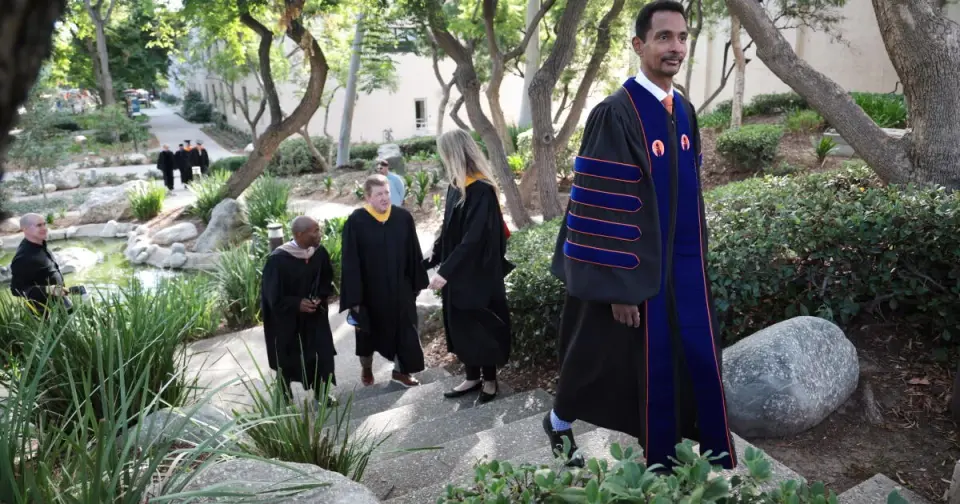
Astrophysicist Ray Jayawardhana was inaugurated as Caltech’s 10th president on Oct. 29, taking over during a period of significant institutional stress. He faces the first competitive bid for the Jet Propulsion Laboratory management contract, a federal investigation into international student visas, and shifting federal funding policies. While Caltech has secured new private funding and increased its federal research grants, the university is navigating reduced graduate admissions and a high-stakes competition to retain its decades-old partnership with NASA.
Key points
- Jayawardhana, the first South Asian American and astronomer to lead the institute, was formally installed on Oct. 29 after taking office on July 1.
- NASA is opening the JPL management contract to competitors for the first time, with a winner to be selected in early 2028; the current contract is valued at up to $30 billion over 10 years.
- Caltech is under investigation by the Labor Department regarding potential fraud in the use of J-1 visas for international scholars, a program that accounts for 46% of its graduate students.
- The university has received approximately $73 million in new donor commitments since July and has increased its federal research funding to $381.4 million, despite a 12% drop in NASA reimbursements for JPL operations.
- Graduate admissions have decreased to 213 students this fall, down from 287 the previous year, as the institute adjusts to uncertain federal funding.
Background
Caltech’s leadership transition follows a period of strategic reassessment. In September 2026, NASA advanced the PRIMA far-infrared telescope, a $1.2 billion mission managed by JPL, toward a 2033 launch, highlighting the lab’s continued technical relevance. This occurs as the broader research university landscape faces federal scrutiny, with other institutions like Stanford also under investigation for visa program integrity. The institute’s 90-year partnership with JPL, which began in 1958, is now being tested by a new competitive procurement process aimed at ensuring taxpayer value.
How outlets are covering it
The Los Angeles Times emphasizes the existential threat posed by the JPL contract auction and the federal visa investigation, framing Jayawardhana’s tenure as a period of 'clarity at a time of change.' It highlights the tension between maintaining the historic NASA partnership and adapting to new federal demands. Pasadena Now focuses on the ceremonial aspects of the inauguration, detailing the 'First Light' theme and public events, while noting Jayawardhana’s background as a fierce advocate for fundamental discovery. Both sources agree on the financial pressures, but the Times provides more detail on the specific dollar amounts of funding shifts and the competitive landscape involving other universities like USC and Texas A&M.
Why it matters
The outcome of the JPL contract competition will determine the future of one of the world's most significant space research facilities. If Caltech loses the contract, it could disrupt decades of scientific infrastructure and workforce stability. Furthermore, the resolution of the visa investigation will set a precedent for how other research universities manage international talent, potentially impacting the global flow of scientific expertise. The institute’s ability to balance federal dependence with private funding and adapt to AI-driven changes in research will serve as a model for other elite research universities facing similar policy shifts.
What to watch
NASA is expected to select a new manager for JPL in early 2028. Caltech will continue to respond to the Labor Department’s administrative subpoena regarding J-1 visas. The university is also preparing for potential further reductions in graduate admissions if federal funding continues to fluctuate. The 'Dare Mighty Things' exhibition marking JPL’s 90th anniversary will open to the public on Nov. 3, showcasing the lab's historical contributions.
Want the full story? Read the original reporting
Read on Los Angeles Times