
China Scraps 2026 Chang'e-7 Launch Window, Citing Technical Readiness
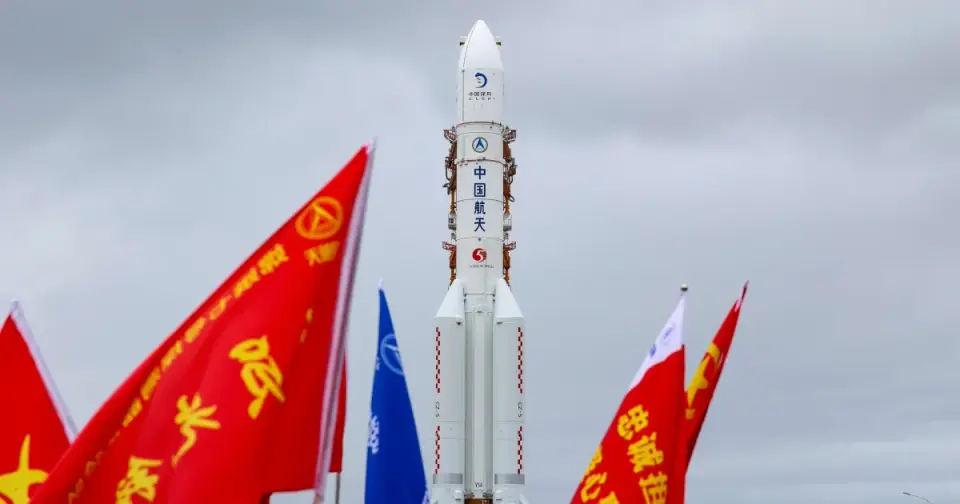
China's Manned Space Agency has officially postponed the Chang'e-7 lunar mission, stating that the spacecraft does not meet launch conditions for the current year. The decision follows a 'comprehensive assessment' prioritizing reliability and absolute mission success. The mission, intended to explore the lunar south pole for water ice, was scheduled to launch from the Wenchang Space Launch Site on Hainan Island. No new launch date has been announced, though earlier reports suggested a potential 2027 timeline.
Key points
- The Manned Space Agency announced the postponement of the Chang'e-7 mission, stating it cannot take place within the planned window this year.
- Officials cited a 'comprehensive assessment' and principles of 'prudence, reliability and absolute mission success' as the basis for the decision, without elaborating on specific technical failures.
- The mission was set to launch from the Wenchang Space Launch Site on Hainan Island, where preparations had been underway in recent weeks.
- Chang'e-7 aims to explore permanently shadowed craters and conduct environmental surveys of the lunar south pole, specifically searching for water ice.
- The postponement follows the successful return of the Chang'e-6 probe in 2024, which brought back samples from the moon's far side.
Background
This development follows earlier reports in August 2026 that indicated weather issues, specifically Tropical Depression Narra, had initially stalled the launch. Subsequent coverage suggested the delay might push the mission into 2027. The Chang'e-7 mission is a critical part of China's lunar exploration program, aiming to secure resources for a future lunar outpost and compete with international efforts to exploit lunar water resources.
Why it matters
The postponement of Chang'e-7 signals a pause in China's aggressive lunar exploration timeline, potentially affecting its competitive position in the race to secure lunar water resources. The emphasis on 'absolute mission success' suggests a shift toward caution in high-stakes space missions, which could influence future launch schedules and international space cooperation dynamics.
What to watch
China has not announced a new launch date for Chang'e-7. The Manned Space Agency will likely conduct further assessments to determine when launch conditions are met. International competitors, including companies like Intuitive Machines and Blue Origin, will continue their own south pole missions, potentially altering the timeline for lunar resource exploitation.
Want the full story? Read the original reporting
Read on NBC News