Tag

Lunar Exploration

All articles tagged with #lunar exploration

Artemis II: Six Brief Meteor Impacts Light Up the Moon's Far Side
space2 days ago

Artemis II: Six Brief Meteor Impacts Light Up the Moon's Far Side

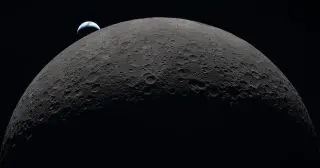
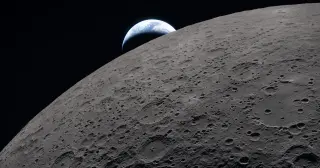
During Artemis II's flyby of the Moon's far side in near-dark conditions, the crew observed up to six brief flashes caused by tiny meteorites hitting the lunar surface; the flashes lasted under a second and weren't captured by the onboard cameras, but NASA confirmed they were natural impacts. The event, visible due to the solar eclipse darkening the far side, helps refine models of meteoroid risk for future bases and informs shielding and habitat planning for lunar exploration.

Artemis II reboots lunar plans, prompting a rethink of why we return
space15 days ago

Artemis II reboots lunar plans, prompting a rethink of why we return

NASA's Artemis II mission launches as the opening act in a broader push to build a permanent lunar base near the south pole and return humans to the Moon by 2028; the article argues that fixing on beating China risks compromising the program's goals and that the Moon base should be justified by science and long‑term exploration rather than geopolitics.

Earth’s magnetosphere casts a radiation shadow near the Moon, study finds
science15 days ago

Earth’s magnetosphere casts a radiation shadow near the Moon, study finds

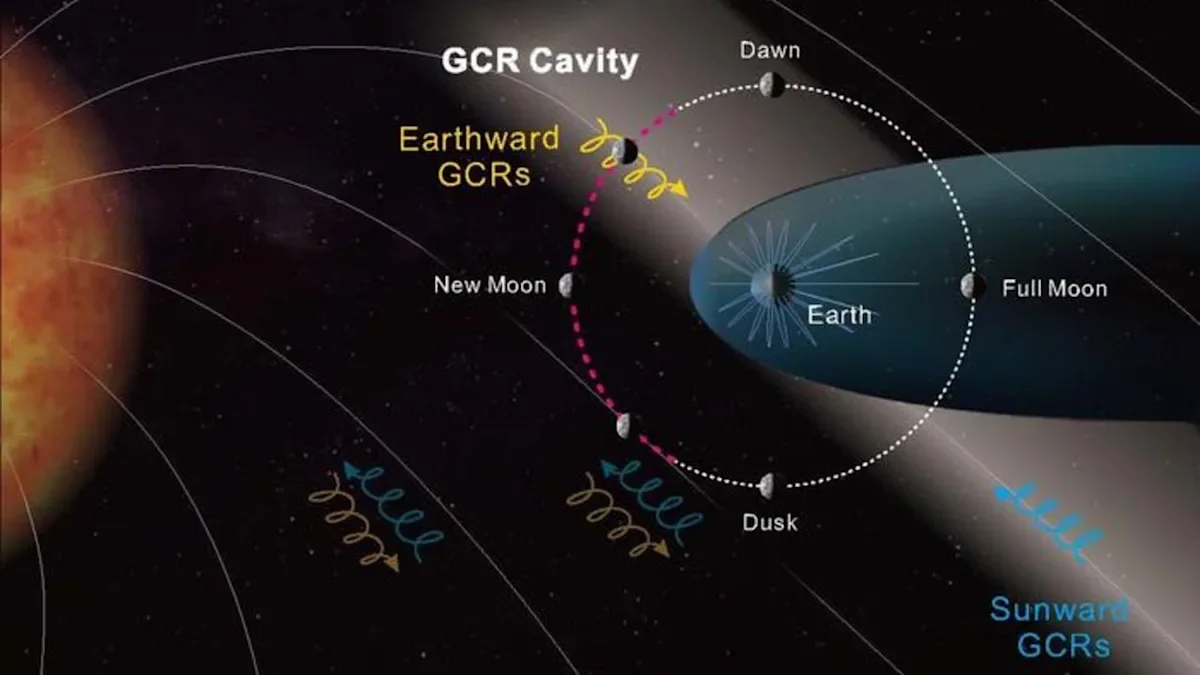
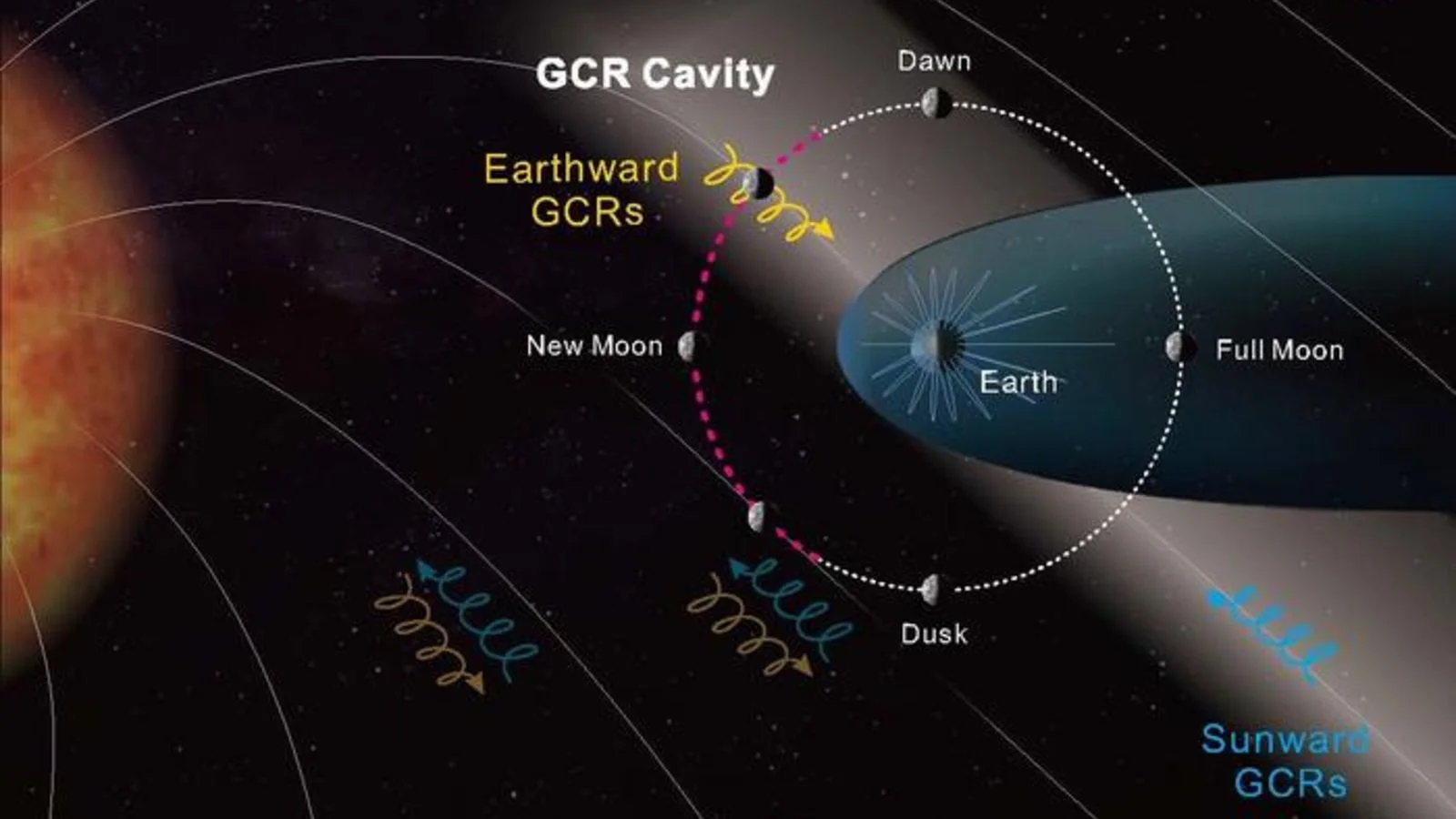
Scientists analyzing data from China’s Chang’e-4 lunar lander detected a localized ~20% dip in galactic cosmic rays during the Moon’s local morning, forming a radiation 'cavity' near the Moon likely carved by Earth's magnetic field. The result suggests Earth’s magnetosphere can influence space radiation beyond its immediate boundary and could help planners time surface activities to lower astronauts’ radiation exposure on future lunar missions.

Cosmic-ray “cavity” between Earth and Moon could reshape lunar missions
space16 days ago

Cosmic-ray “cavity” between Earth and Moon could reshape lunar missions

A study using data from China’s Chang’e-4 lander identifies a region of reduced galactic cosmic-ray radiation in Earth–Moon space—a cavity that appears during the Moon’s local morning. The lower-energy protons drop by about 20% in this window, likely caused by Earth’s magnetosphere extending farther than previously thought. If confirmed, this timing could help plan safer lunar surface operations for upcoming missions (including Artemis II) by reducing astronauts’ radiation exposure. The findings are published in Science Advances (2026).

Crowdsourced Hunt for Tiny Luna 9 Moon Lander Heats Up
science1 month ago

Crowdsourced Hunt for Tiny Luna 9 Moon Lander Heats Up

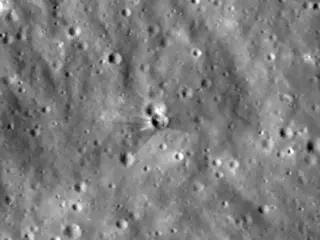
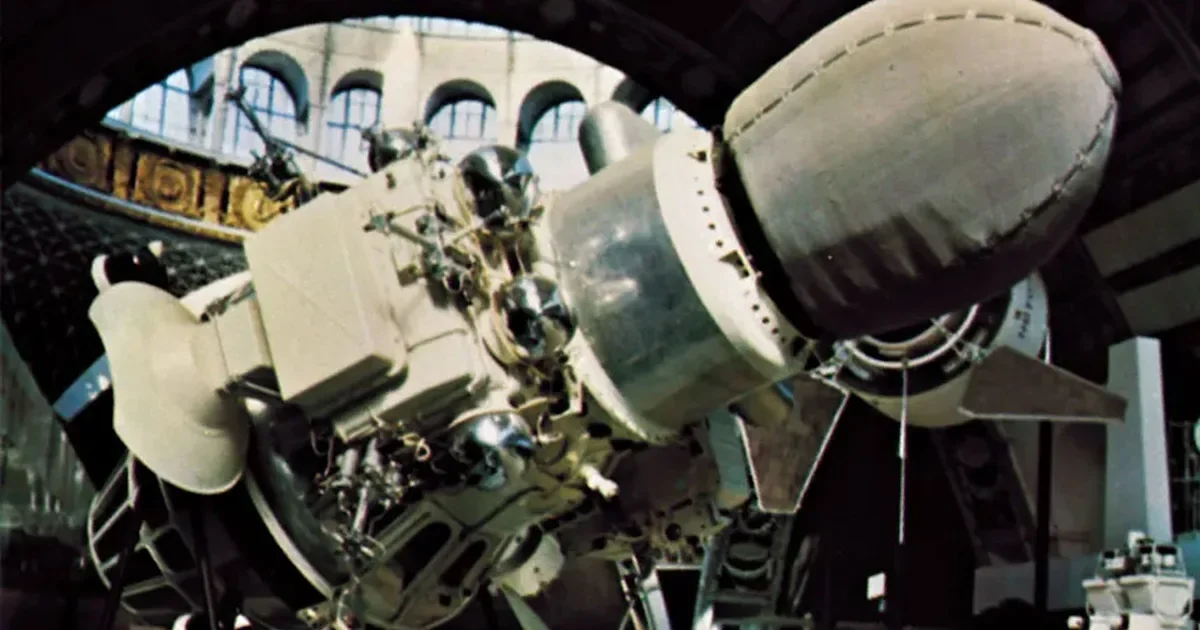
Two research groups claim to have traced traces of Luna 9, the Soviet probe that achieved the Moon’s first soft landing in 1966, but they disagree on its exact resting spot due to the lander’s tiny size. India’s Chandrayaan-2 is set to image the area in March with higher resolution to settle the debate, following crowd-sourced horizon analysis and an AI-driven search that proposed different candidate sites near the lander’s shells. If confirmed, Luna 9 (and its twin Luna 13) would finally have a known resting place after decades of mystery.

Blue Origin pauses New Shepard flights to focus on lunar exploration
commercial2 months ago

Blue Origin pauses New Shepard flights to focus on lunar exploration

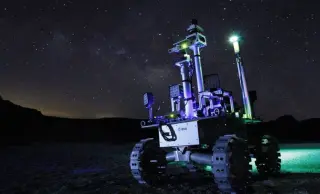
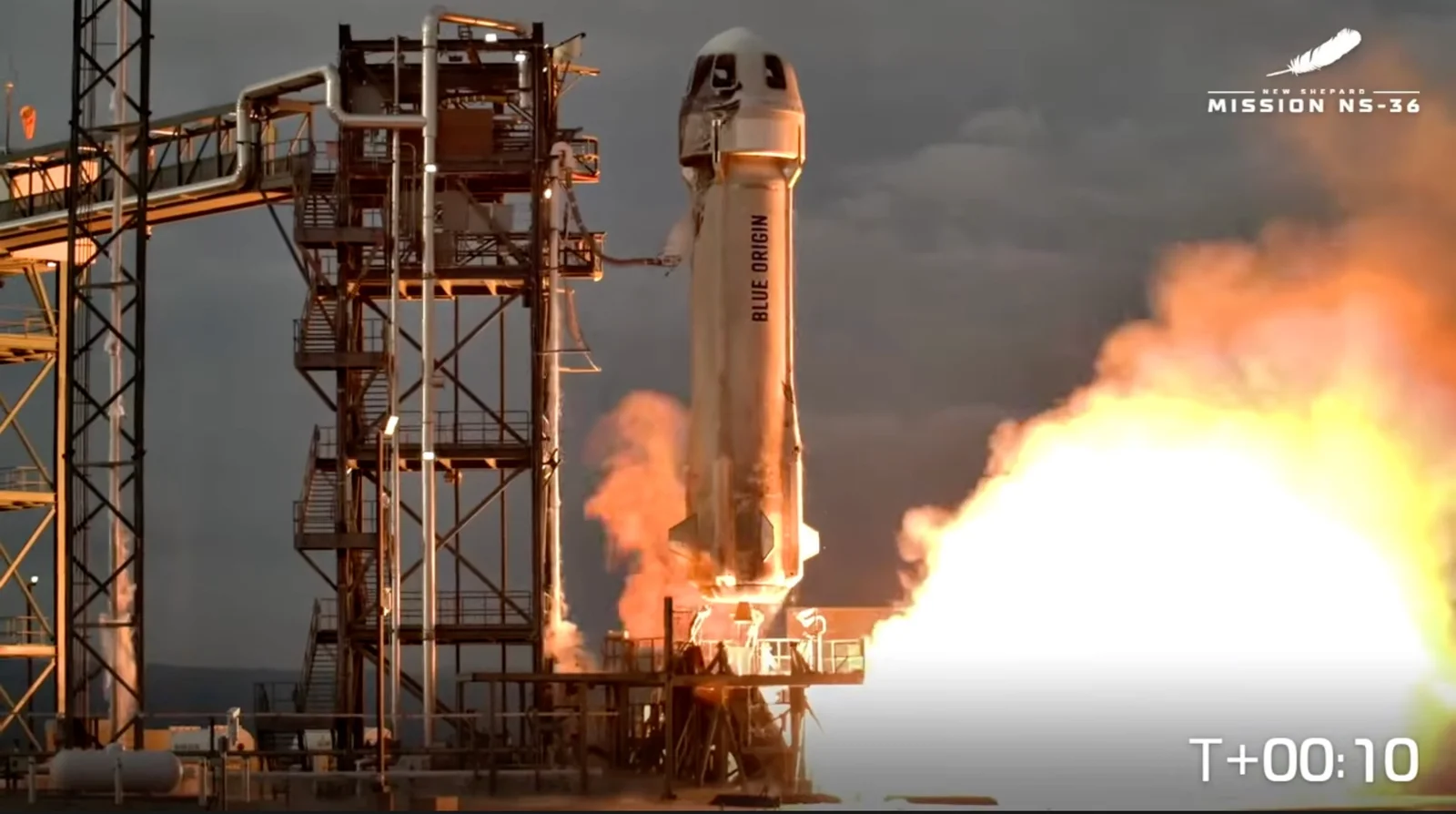
Blue Origin announced on Jan. 30 that it will halt all New Shepard suborbital flights for at least two years to devote resources to its lunar program, including the Blue Moon lander for NASA's Human Landing System. The pause follows NS-38 and comes with a remaining backlog of customers, though the company did not specify how resources or staffing will be redirected. NASA is pressing acceleration of lunar lander development to meet an Artemis 3 launch target by 2028, a context that underpins Blue Origin's shift toward lunar exploration.

Unveiling the Moon's Mysteries: Craters, Hidden Elements, and Asteroid Impact
science6 months ago

Unveiling the Moon's Mysteries: Craters, Hidden Elements, and Asteroid Impact

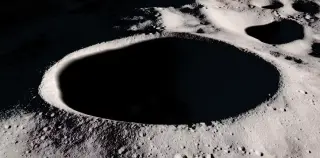
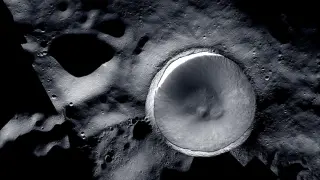
Scientists have revised their understanding of the Moon's largest crater, the South Pole-Aitken basin, suggesting it was formed by a glancing blow rather than a head-on impact. This new insight could influence upcoming NASA Artemis missions targeting the lunar south pole, as the region may contain valuable clues about the Moon's interior and evolution. The findings also shed light on the asymmetry between the Moon's near and far sides, particularly regarding mineral distribution and crust formation.

NASA's Artemis Mission Faces Mysteries at the Moon's Largest Crater
science6 months ago

NASA's Artemis Mission Faces Mysteries at the Moon's Largest Crater

Scientists have revised their understanding of the Moon's largest crater, the South Pole-Aitken basin, suggesting it was formed by a glancing blow rather than a head-on impact. This new insight could influence upcoming NASA Artemis missions, which aim to explore the lunar south pole, and deepen our understanding of the Moon's interior and geological history.