
First Mini Organs Launch to ISS to Study Space-Induced Aging
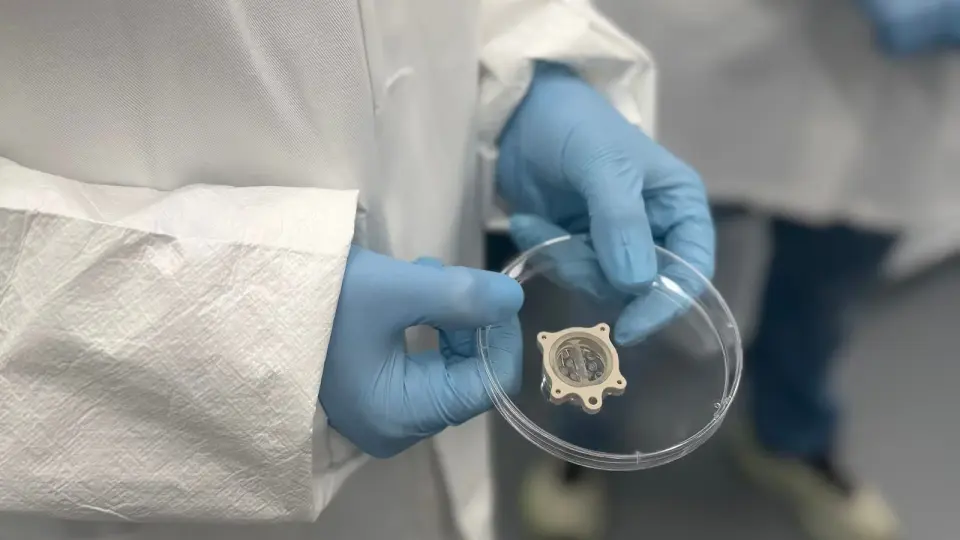
Miniature human organs, including hearts and brains, launched to the International Space Station on Tuesday to study how microgravity and radiation accelerate aging. This first-of-its-kind experiment aims to improve health outcomes for future astronauts and develop treatments for diseases like Parkinson's and Alzheimer's on Earth.
Key points
- Mini organs launched aboard CRS-35 from Cape Canaveral on Tuesday, arriving at the ISS on Thursday.
- The experiment is a joint effort by Mount Sinai, NASA, and Space Tango.
- Up to 16 miniature hearts and 'miBrain' models are being tested in microgravity.
- Researchers note that six months in space can equal 10 to 20 years of aging on Earth.
- Findings may help treat sedentary lifestyle effects and neurodegenerative diseases on Earth.
Background
This follows previous 2023 tests where individual heart cells survived on the ISS. It also builds on recent studies, such as the September 2026 research on magnetic fields and Parkinson's, highlighting growing interest in how environmental factors influence cellular aging and disease.
Why it matters
Understanding accelerated aging in space is critical for NASA's 2028 moon return and future Mars missions. Simultaneously, these space-based models offer unique insights into Earth-bound conditions like prolonged bed rest and neurodegenerative diseases, potentially leading to new medical treatments.
What to watch
The mini organs will be exposed to space conditions to observe their reactions. NASA plans to use these findings as a baseline for future research beyond low Earth orbit, including lunar and Martian missions.
Want the full story? Read the original reporting
Read on ABC News - Breaking News, Latest News and Videos