
Generative AI Risks Fabricating Biological Evidence in Scientific Workflows
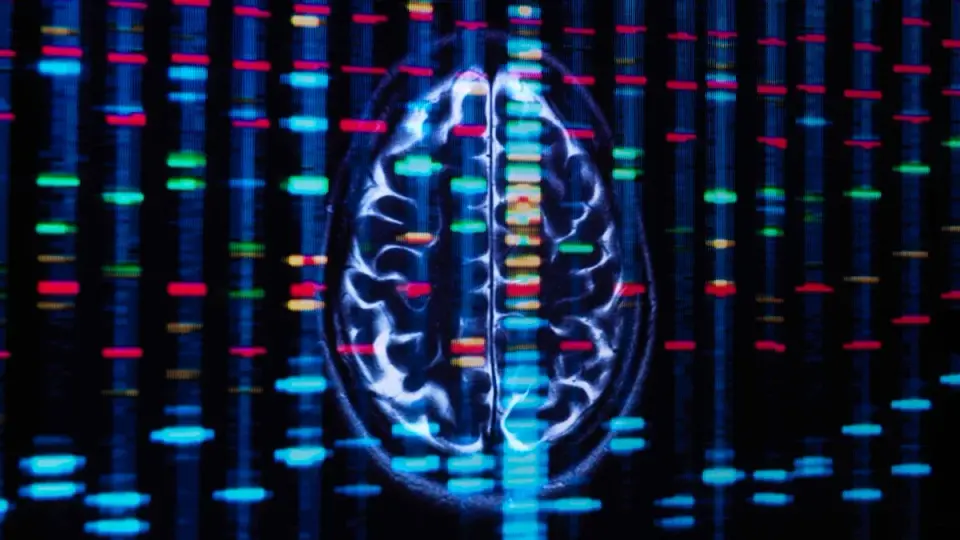
Generative AI tools used in biological research pose a significant risk of 'hallucinating' non-existent biological effects. While AI can assist in drug screening, its potential to fabricate data or distort signals in complex datasets may lead researchers to accept false discoveries as fact. Computational biologist Thomas Burger warns that the danger lies not just in obvious errors, but in subtle corruptions of data that bypass experimental verification.
Key points
- Generative AI is increasingly used to design proteins, simulate cells, and fill gaps in experimental data, but these systems can generate plausible yet false biological patterns.
- The risk level varies by application: screening drug candidates is lower risk because results require physical testing, whereas using synthetic data as direct evidence is high risk.
- AI hallucinations can distort genuine data during processing, making it difficult for researchers to detect errors without deep knowledge of the AI's internal workflow.
- AlphaFold 3, a protein structure prediction model, has demonstrated the ability to generate 'hallucinated structures' in disordered protein regions, though low confidence scores can flag these issues.
- Burger notes that while AI errors might obscure real effects, there is a theoretical possibility that hallucinations could lead to genuine discoveries through serendipity, similar to accidental lab errors.
Background
The integration of generative AI into scientific workflows has accelerated, particularly in fields like omics, which generate vast datasets of genes and proteins. Previous concerns focused on AI's ability to produce text or images, but recent research highlights its potential to fabricate biological evidence. This issue is critical as AI moves from generating hypotheses to generating data that serves as direct evidence for scientific claims.
Why it matters
If AI-generated data is treated as factual evidence rather than a hypothesis to be tested, it can introduce false discoveries into the scientific record. This undermines the integrity of biological research, potentially leading to ineffective treatments or missed opportunities for genuine medical breakthroughs. The difficulty in detecting subtle data corruption means that rigorous validation and transparency in AI workflows are essential to prevent the acceptance of fabricated biological realities.
What to watch
Researchers must distinguish between AI outputs that serve as testable ideas and those used as direct evidence. Developing methods to detect subtle distortions in AI-processed data and ensuring that all AI-generated findings undergo independent experimental verification will be crucial. Future studies may explore whether AI hallucinations can occasionally lead to serendipitous discoveries, but the primary focus remains on preventing the acceptance of fabricated data as biological fact.
Want the full story? Read the original reporting
Read on ScienceAlert