
NASA Launches 'Ignition' to Build Permanent Lunar Base by 2032
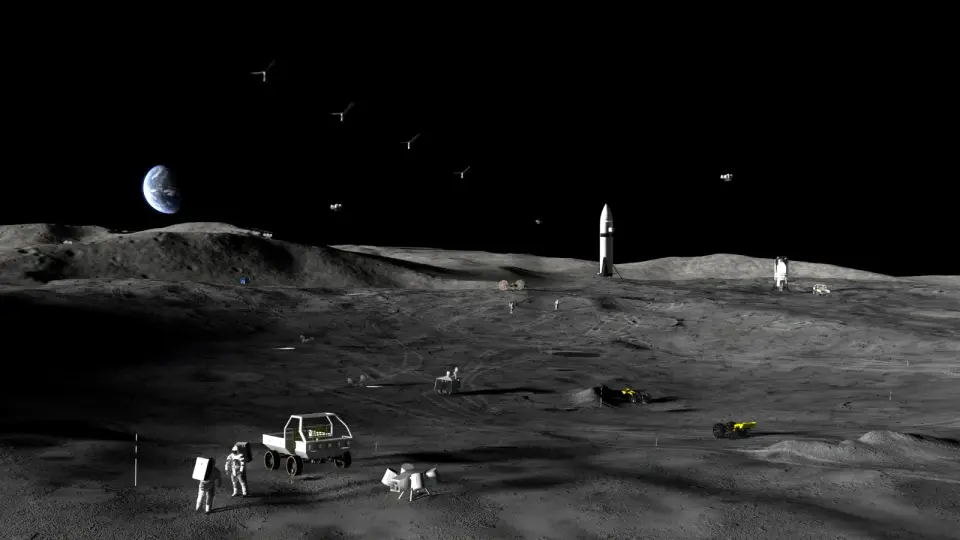
NASA has unveiled a $20 billion, three-phase plan to establish a permanent human presence on the Moon by 2032. The initiative, named 'Ignition,' focuses on the lunar south pole to exploit water ice and sunlight. Recent selections of three new robotic science missions will map hazards, search for underground lava tubes, and locate ice reserves to ensure safety and resource availability before human arrival.
Key points
- NASA announced a $20 billion 'Ignition' initiative on March 24, 2026, to build a permanent base at the lunar south pole.
- The project is divided into three phases: robotic exploration (2026-2029), infrastructure construction (2029-2032), and permanent habitation (2032 onwards).
- Three new scientific payloads were selected via the PRISM program to assess environmental hazards, search for lava tubes, and measure ice deposits.
- International partners, including Japan's JAXA, are involved in developing pressurized rovers for long-distance lunar travel.
- A nuclear power plant is planned for the final phase to provide energy during the long lunar night.
Background
Recent discoveries of large impact craters, such as the 728-foot McGetchin crater, have highlighted the need for robust shielding and debris forecasting in lunar base designs. These findings underscore the risks posed by micrometeoroids and ejecta, reinforcing the importance of the new environmental monitoring missions.
How outlets are covering it
DOGOnews emphasizes the broad strategic shift from short visits to permanent presence, highlighting the $20 billion budget and the three-phase timeline. NASA and The Economic Times focus on the immediate scientific groundwork, detailing the three new PRISM missions (LEMS-SP, GIMLI, DISCO) that will assess safety, shelter, and resources. The News International mirrors NASA's official stance, stressing the commercial delivery aspect via CLPS. While DOGOnews mentions JAXA's rover, the other sources focus more heavily on the specific scientific instruments and their principal investigators.
Why it matters
This initiative marks a pivotal transition from temporary exploration to sustained human presence, testing technologies and life-support systems that could eventually enable missions to Mars. The focus on resource utilization, particularly water ice, aims to reduce reliance on Earth for supplies, making long-term space exploration more feasible and cost-effective.
What to watch
The first phase will see robotic missions delivering rovers and instruments to the lunar south pole between 2026 and 2029. These missions will identify optimal base locations and test new systems. The second phase will begin constructing infrastructure, including power and communication systems, with international partners. The third phase will establish the permanent outpost, including a nuclear power plant, starting in 2032.
- NASA Plans To Build A Permanent Base On The Moon DOGO News
- NASA Adds New Science Investigations for Moon Base NASA (.gov)
- NASA is preparing the Moon for humans: Three new missions will search for underground shelter, water ice a The Economic Times
- NASA expands Moon base research with three new investigations The News International
Want the full story? Read the original reporting
Read on DOGO News