science-and-technology7 days ago
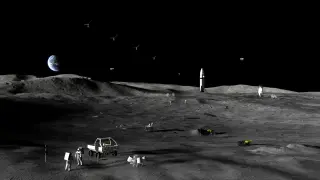
NASA Launches 'Ignition' to Build Permanent Lunar Base by 2032
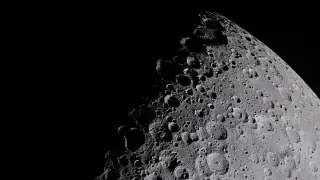
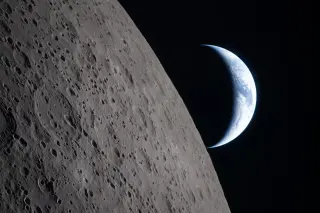
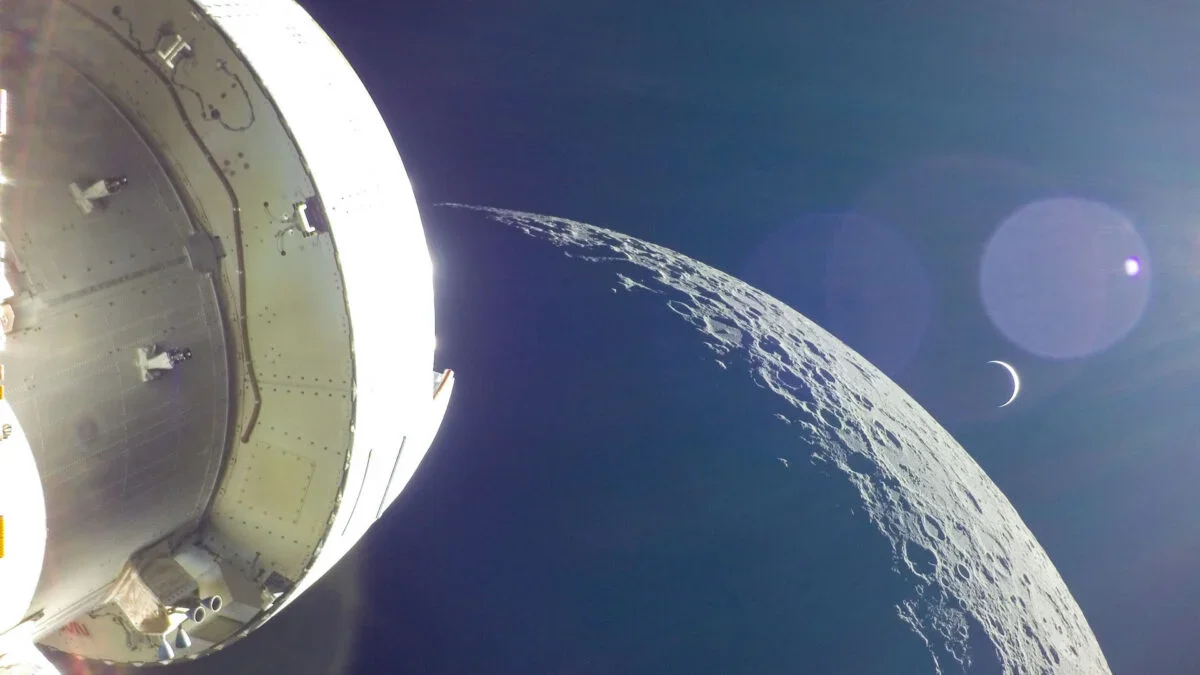
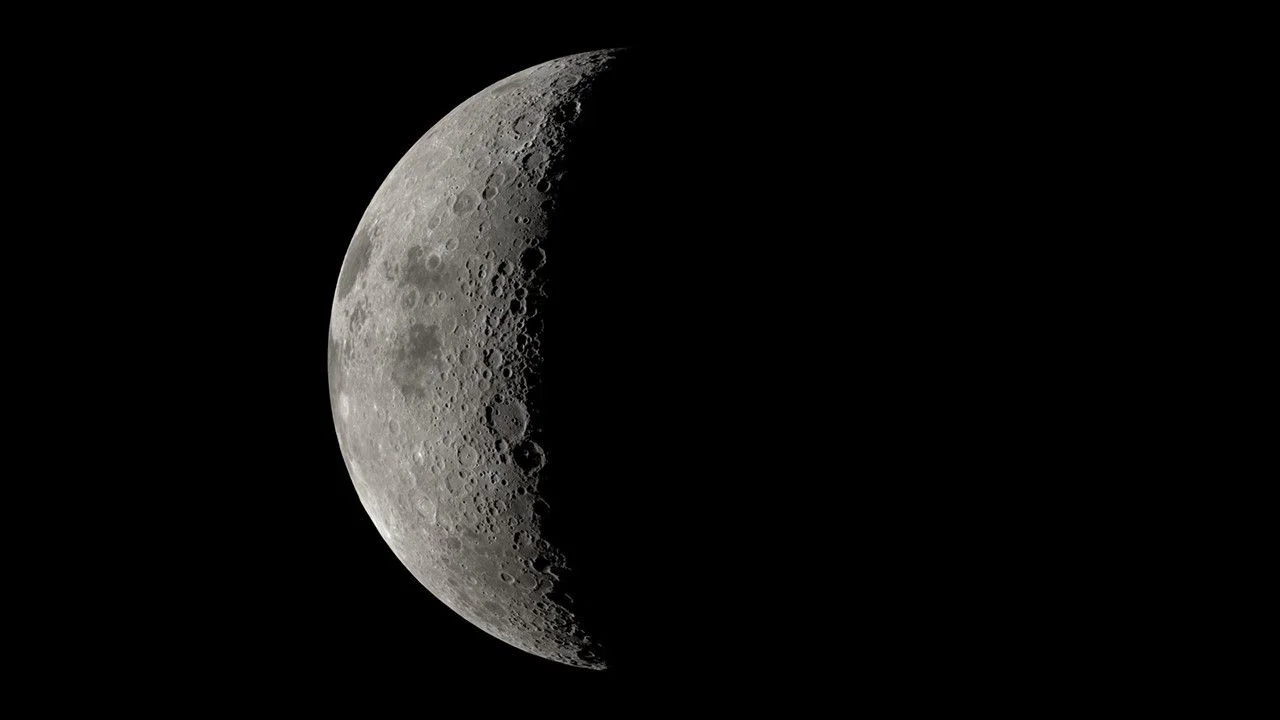
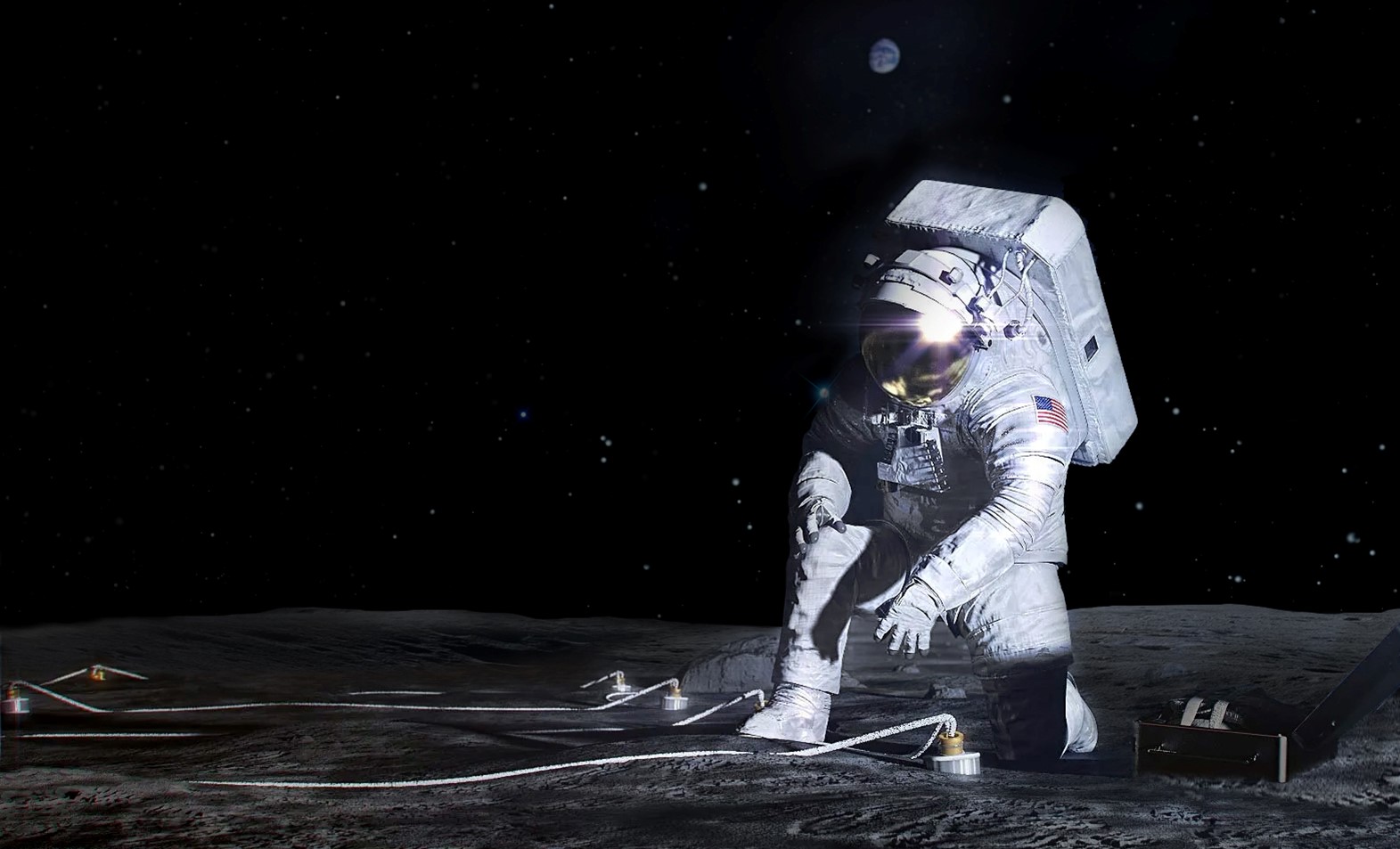
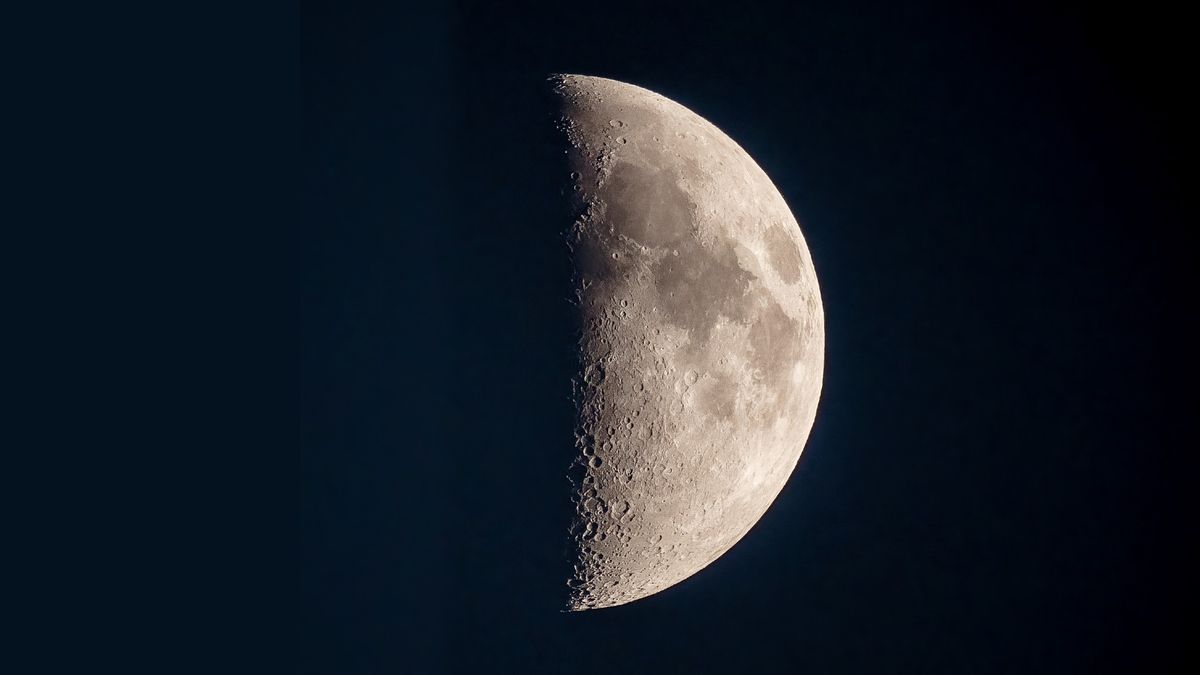
NASA has unveiled a $20 billion, three-phase plan to establish a permanent human presence on the Moon by 2032. The initiative, named 'Ignition,' focuses on the lunar south pole to exploit water ice and sunlight. Recent selections of three new robotic science missions will map hazards, search for underground lava tubes, and locate ice reserves to ensure safety and resource availability before human arrival.