
Virginia Tech Researchers Convert PVC Waste into High-Performance Engine Lubricant
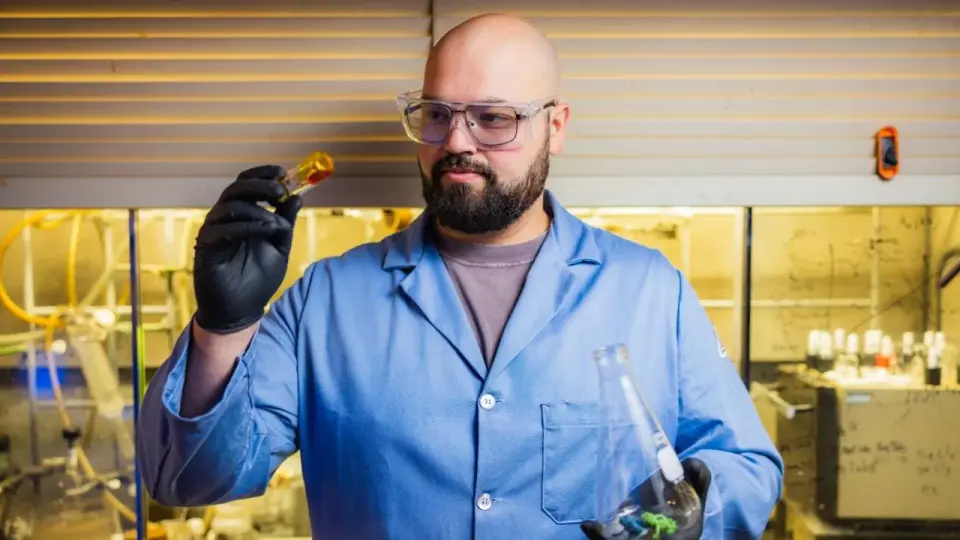
Virginia Tech chemists have developed a method to transform polyvinyl chloride (PVC), a notoriously difficult plastic to recycle, into polyalphaolefin, a key ingredient in high-performance engine lubricants. Published in Nature on August 5, 2026, the research offers a dual solution to plastic waste accumulation and the environmental costs of traditional lubricant production. The process involves heating PVC in a solvent with aluminum trichloride and alpha olefins at 158 degrees Fahrenheit for three hours to extract a usable oil. This breakthrough builds on earlier team successes in converting other plastics into surfactants and aims to provide a sustainable alternative for industrial lubricants used in everything from lawn mowers to jet engines.
Key points
- Researchers at Virginia Tech successfully converted PVC waste into polyalphaolefin, a critical component for engine oil and other lubricants.
- The published study in Nature highlights a process that addresses both the challenge of recycling chlorine-containing plastics and the need for sustainable lubricant production.
- The chemical method involves heating PVC with aluminum trichloride and alpha olefins at 158 degrees Fahrenheit for three hours to produce a thick, functional oil.
- The project builds on previous work by the same team, which successfully converted other plastic wastes into surfactants for soaps and detergents.
- Collaborations with Texas A&M University and Caltech were used to test the lubricant's performance and conduct chemical computations, while Virginia Tech colleagues modeled potential large-scale production.
Background
This development follows a broader trend in plastic upcycling research, including recent efforts to convert PET plastic into edible proteins for space missions and the chemical recycling of PVC into usable materials. While previous studies focused on converting plastics into fuels or food, this new approach targets industrial lubricants, addressing a different sector of the circular economy. The team’s prior success in creating surfactants from plastic waste laid the groundwork for this specific focus on PVC, which is often discarded due to its complex additives and chlorine content.
Why it matters
PVC is difficult to recycle due to its chlorine content and varied additives, leading to significant landfill accumulation. Simultaneously, the production of traditional lubricants carries a high environmental cost. By converting PVC waste into polyalphaolefin, this method offers a sustainable pathway to reduce plastic pollution while meeting the growing demand for industrial lubricants. It demonstrates that 'unrecyclable' plastics can be upcycled into high-value industrial products, potentially shifting waste management strategies from disposal to resource recovery.
What to watch
The research team aims to make the lubricant production process more sustainable and scalable to reach a wider market. Future efforts will focus on optimizing the chemical process for large-scale manufacturing and ensuring the resulting oil meets industry standards for performance. The team also intends to continue refining the method to address the environmental impact of the conversion process itself, moving toward a fully circular production model.
Want the full story? Read the original reporting
Read on Science Daily