
NASA Halts Science on Perseverance and Odyssey as Radio and Reaction Wheel Failures Threaten Mars Fleet
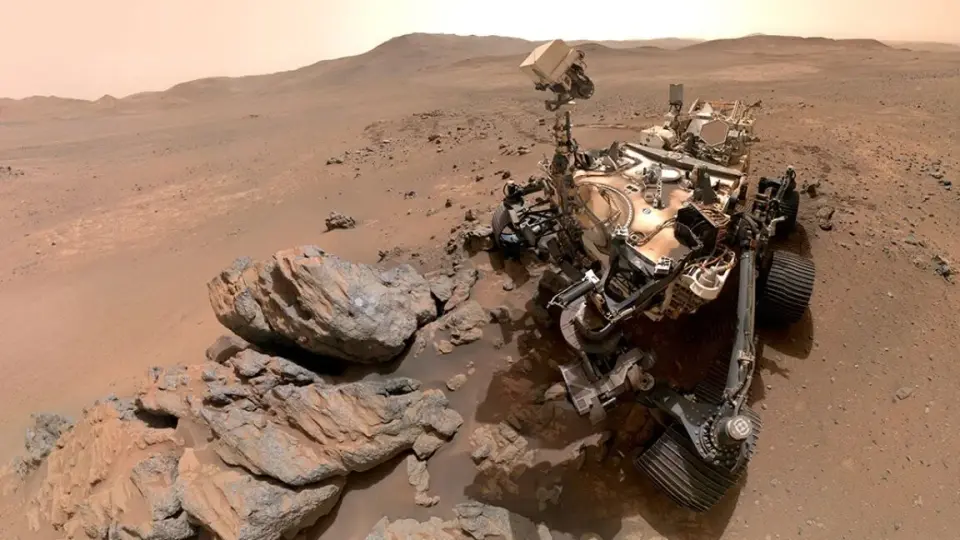
NASA has paused science operations on its Perseverance rover and Odyssey orbiter due to separate technical failures. Perseverance is using a slower direct-to-Earth link after both its UHF radios malfunctioned, while Odyssey is relying on limited fuel to maintain orientation after losing a second reaction wheel. Engineers hope to restore both missions by late November, but Odyssey’s future is uncertain if its faulty wheel cannot be repaired.
Key points
- Perseverance’s primary UHF radio failed on Oct. 30, triggering a switch to a backup radio that is transmitting at half power; both are now offline.
- The rover is communicating via X-band, a lower-data-rate link, forcing a pause in science to prioritize diagnostic data.
- Odyssey lost a second reaction wheel in early November, leaving it with only two functional wheels; it now relies on hydrazine thrusters for orientation.
- Odyssey has only one to two months of fuel left if it must use thrusters exclusively, a sharp drop from its previous projected lifespan through 2028.
- NASA aims to restore both missions by late November, with initial tests showing the Odyssey wheel can move when commanded.
Background
Perseverance recently set a record for the farthest distance driven on another planet, surpassing Opportunity’s 28.06 miles in October 2026. Odyssey, launched in 2001, is the longest-lived Mars mission in history and has been critical for relaying data from other surface missions. NASA’s broader Mars fleet includes Curiosity, Mars Reconnaissance Orbiter, and ESA’s ExoMars Trace Gas Orbiter and Mars Express, all of which help maintain communication and science operations at Mars.
How outlets are covering it
Ars Technica and NASA Science emphasize the technical details of the failures, noting Perseverance’s dual radio issues and Odyssey’s reaction wheel malfunction. Space.com highlights the potential impact on Mars science, stressing that Odyssey’s loss would be keenly felt due to its role in the relay network. The Register focuses on the urgency of Odyssey’s fuel constraints, noting that if the wheel cannot be recovered, the orbiter’s days are numbered. All sources agree that NASA is hopeful for a late-November recovery, but Odyssey’s situation is more dire than Perseverance’s.
Why it matters
The outages of Perseverance and Odyssey could disrupt data relay and science operations at Mars, affecting future missions and the return of rock samples to Earth. Odyssey’s fuel constraints highlight the risks of aging infrastructure, while Perseverance’s radio issues underscore the challenges of maintaining long-duration missions. NASA’s plans for new missions, such as the Mars Telecommunications Network and SkyFall, aim to address these gaps, but delays and protests may hinder progress.
What to watch
NASA will continue investigating the Perseverance radios and Odyssey reaction wheel, with updates expected as testing progresses. If Odyssey’s wheel is not recoverable, the agency may rely on other orbiters for relay, though their capabilities differ. The Mars Telecommunications Network contract with Blue Origin is on hold pending a GAO ruling on a Rocket Lab protest, which could delay new infrastructure. NASA is also developing a mission to replace the Mars Reconnaissance Orbiter’s imaging capabilities, but no firm schedule or budget exists yet.
- Half of NASA's aging Mars fleet knocked offline by technical issues Ars Technica
- NASA’s Perseverance, Odyssey Teams Investigate Technical Issues NASA Science (.gov)
- Trouble at Mars: NASA's Perseverance rover, Odyssey orbiter halt science work due to glitches Space
- NASA Mars rover and orbiter suffer glitches The Register
- Mars Guy Reports on Curiosity’s Desert Roses, Perseverance Communications Issues Inside Outer Space.
Want the full story? Read the original reporting
Read on Ars Technica