
Ancient RNA Survives 39,000 Years in Mammoth Muscle, Revealing its Final Stress Signals
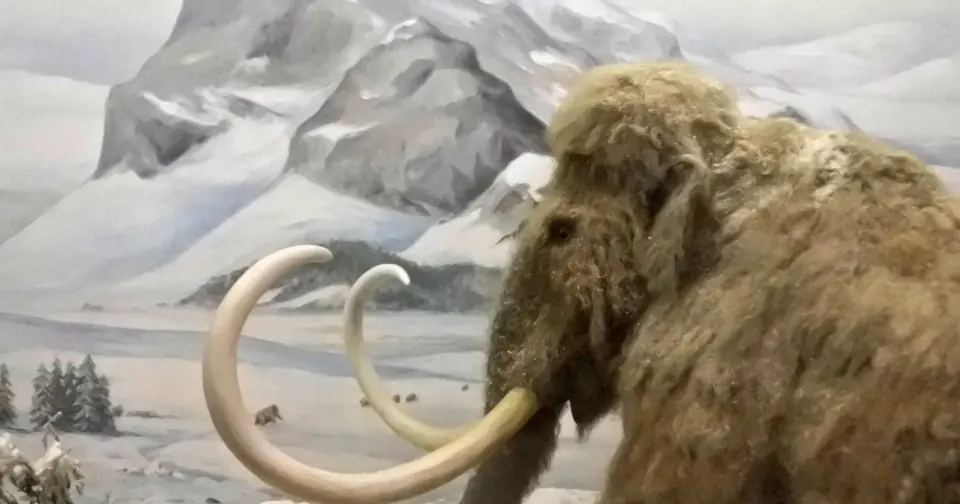
TL;DR
Scientists recovered and sequenced several hundred intact RNA transcripts from Yuka, a woolly mammoth preserved in Siberian permafrost for about 39,000 years. The data show muscle-contraction and metabolic-stress genes were actively expressed near death, suggesting the animal’s cells were responding to stress at the moment it died (likely from a cave-lion attack). The team authenticated the ancient signal using mammoth-specific microRNAs to guard against modern contamination. While this establishes a lower bound for RNA survival under ideal freezing, it’s a single study under favorable conditions and does not imply broad generalizability to other specimens or environments.
Want the full story? Read the original reporting
Read on Space Daily