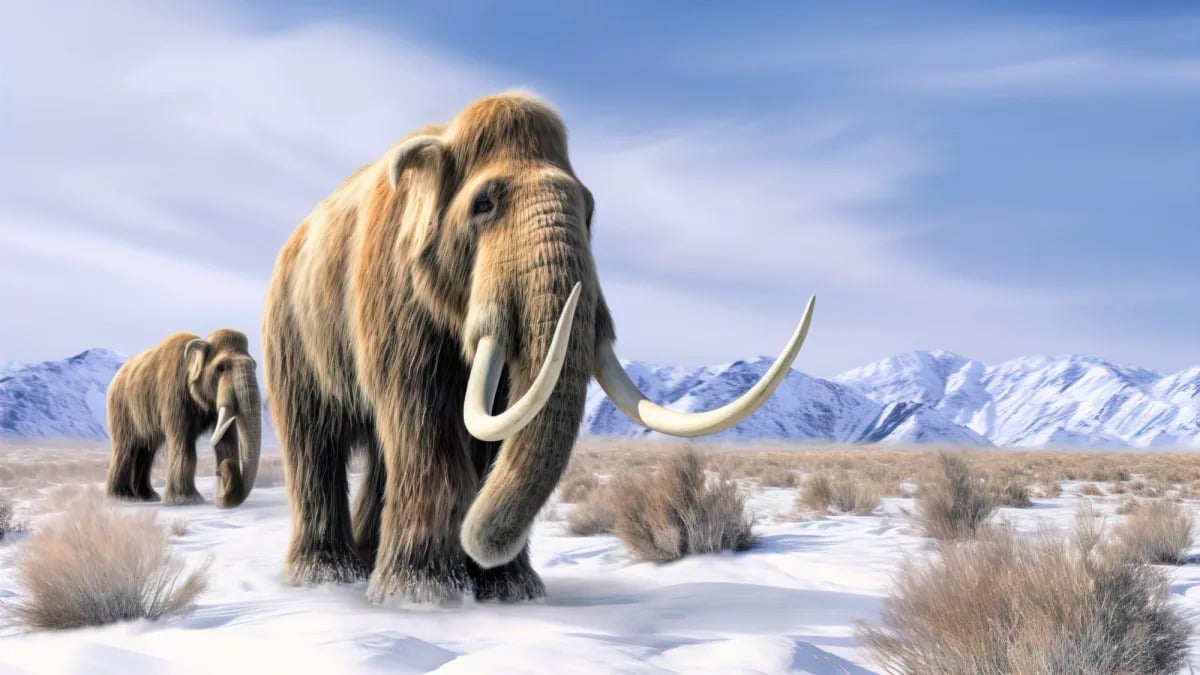
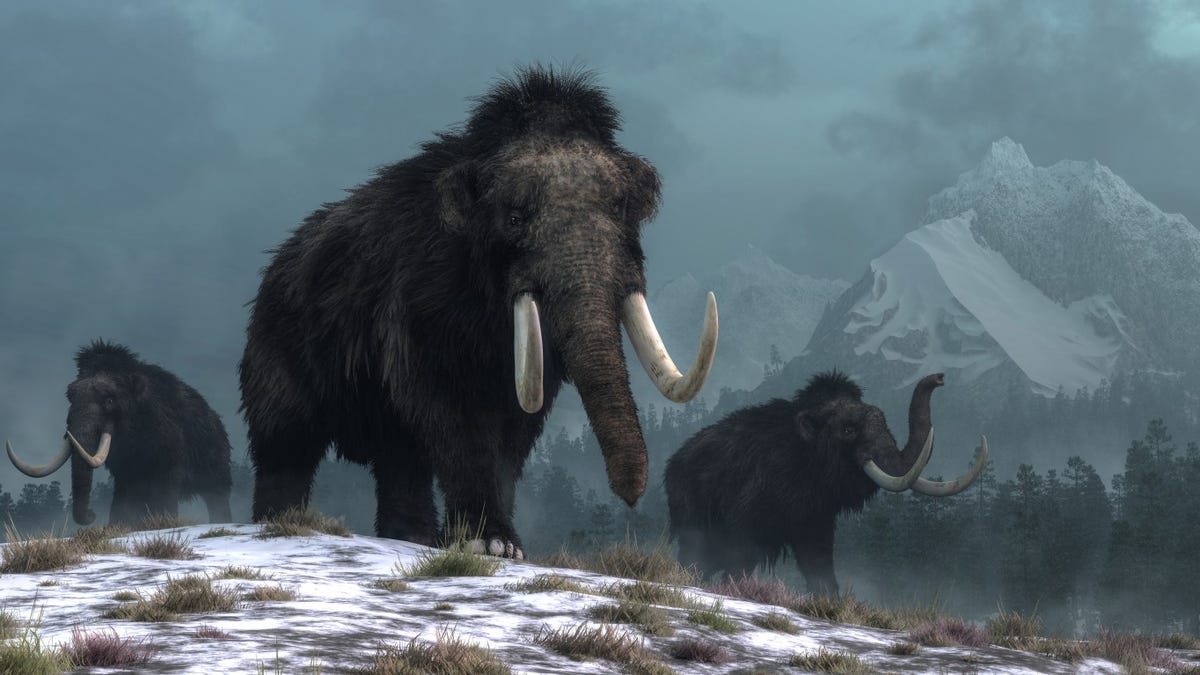
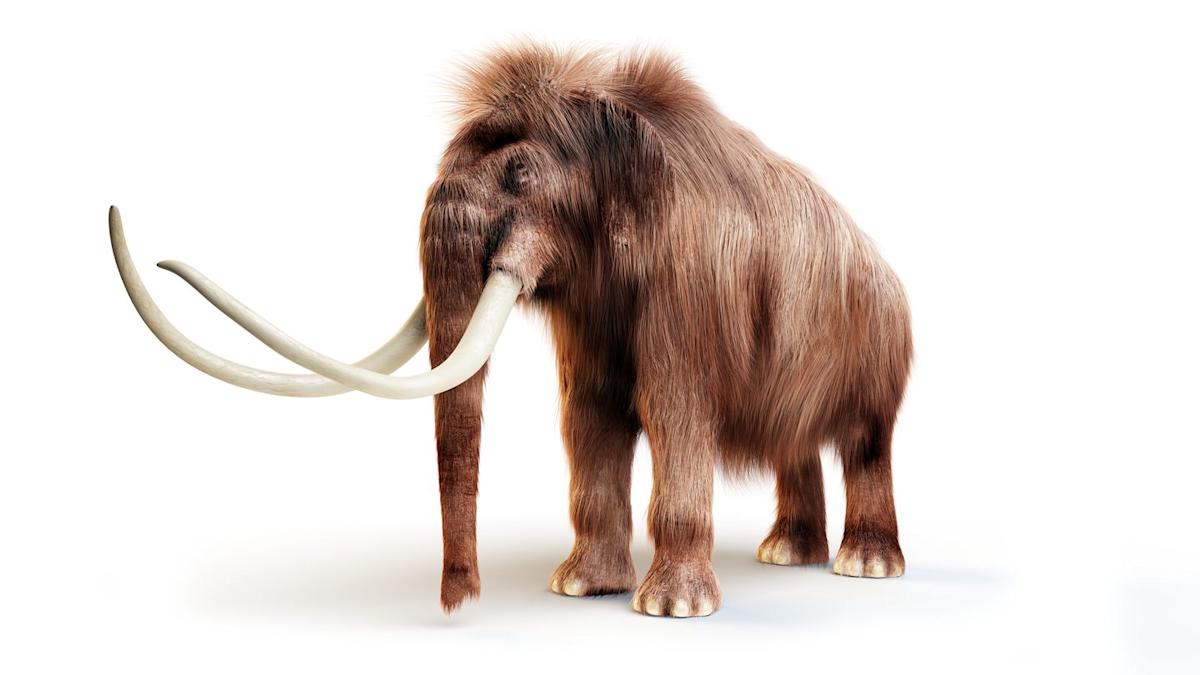
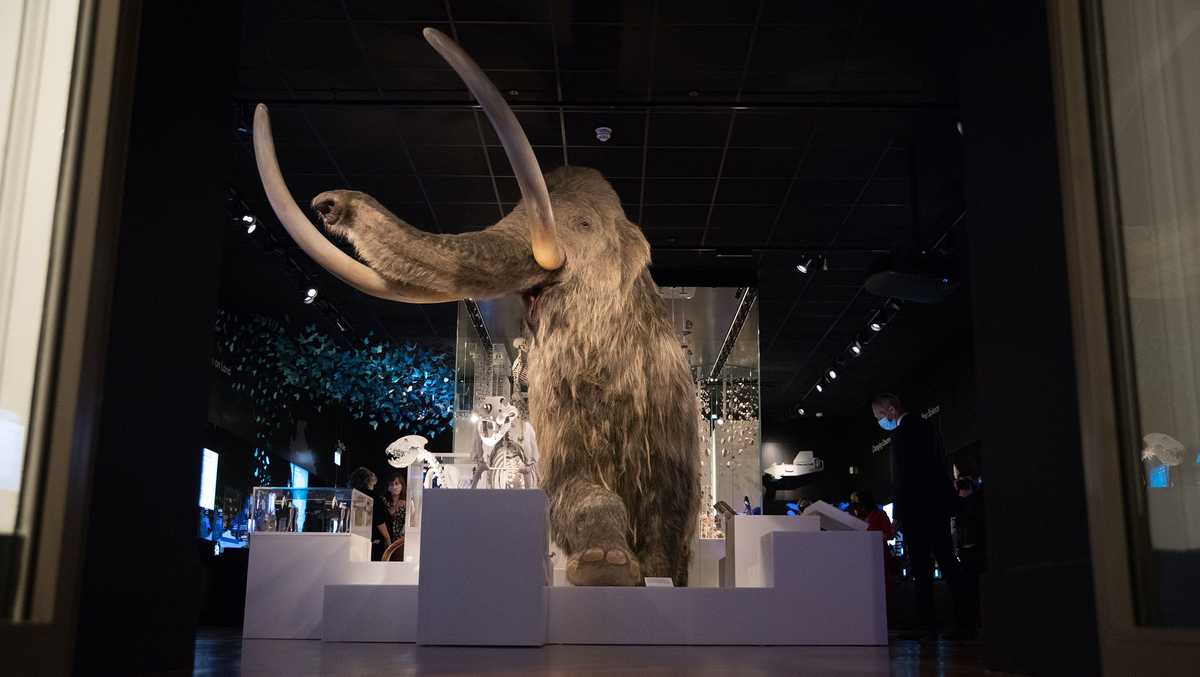
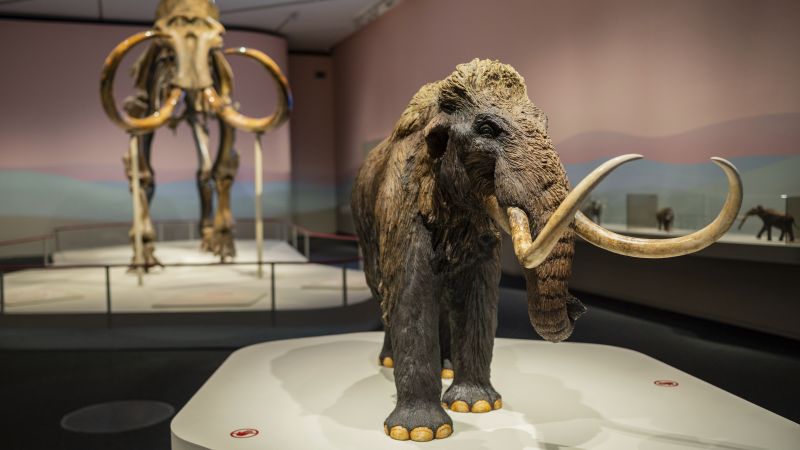
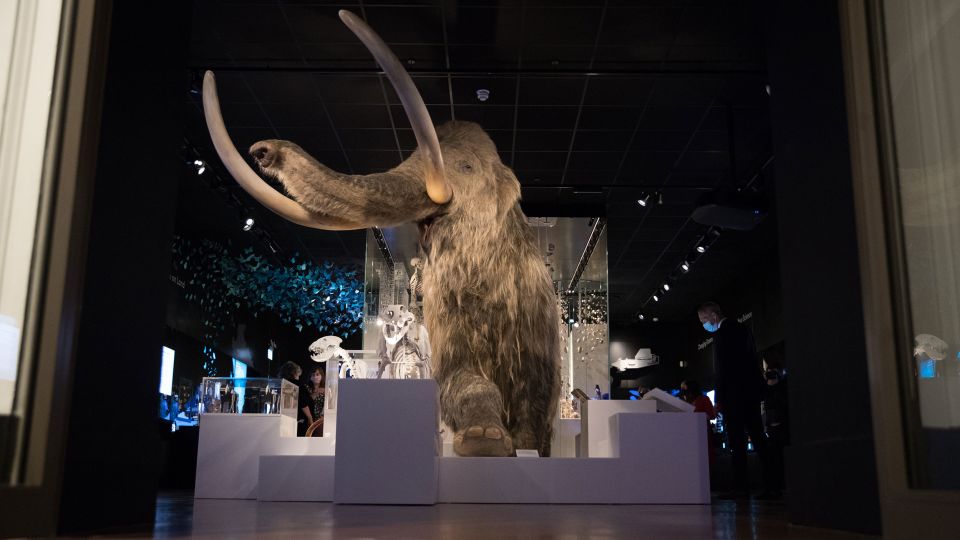
Colossal Biosciences has delayed its goal to revive the woolly mammoth to the early 2030s, citing the complexity of editing over 150 genes. The company is now relying on AI to manage the genetic data, having previously succeeded in creating woolly mice using mammoth DNA.
A 2024 genome study of Wrangel Island mammoths found the population did not slowly decline from inbreeding; instead, it remained genetically stable for thousands of years before an abrupt disappearance, leaving the exact cause unresolved and suggesting that sudden environmental or random events, rather than gradual genetic decay, ended the lineage. The work emphasizes that restoring population size in conservation isn’t enough—genetic health must also be monitored over long timescales.
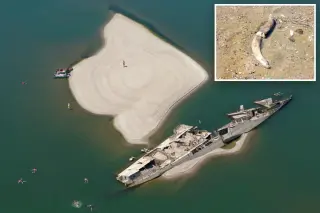
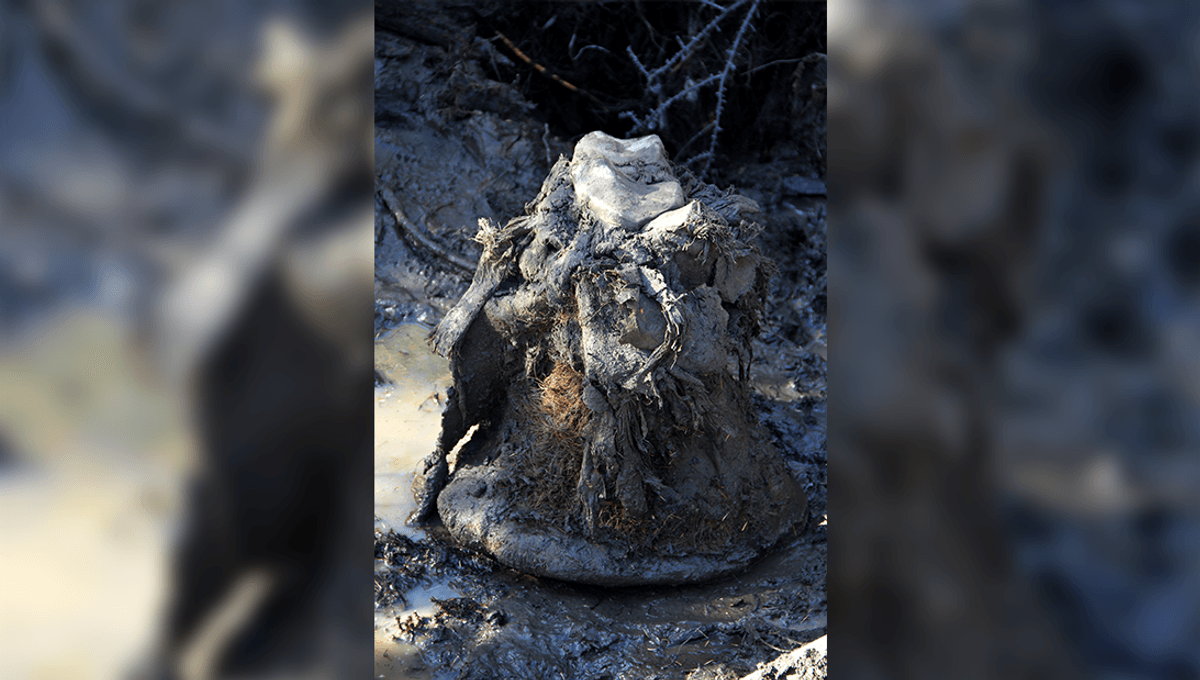
As Europe’s Danube River sinks to record lows amid a summer drought, scores of sunken World War II Nazi ships have resurfaced along the river, with visible hulls near Prahovo, Serbia, and some still armed from the Black Sea fleet; mammoth bones have also surfaced on the riverbed near Ruse, Bulgaria. Officials note that many ships were sunk in 1944 and remain trapped by explosives, and authorities are struggling to keep river traffic moving while water levels — including Budapest’s at about four inches — hit new lows, underscoring the broader impacts of extreme heat and drought on the region.
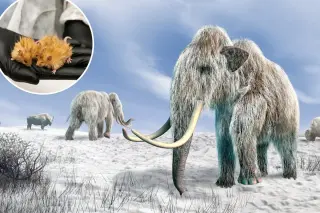
Scientists have successfully mapped the three-dimensional genome of a 52,000-year-old woolly mammoth using fossilized remains, marking the first full replication of an ancient animal's DNA from a fossil. This breakthrough, achieved through a six-year international study, opens new possibilities for exploring the biology of extinct species and could enhance modern conservation efforts by providing insights into genetic diversity and evolutionary adaptations.
Scientists have successfully created a 3D reconstruction of 52,000-year-old chromosomes from freeze-dried woolly mammoth skin found in Siberia, revealing active genes in the skin cells when the mammoth was alive. This groundbreaking achievement in ancient DNA research could aid efforts to de-extinct the mammoth by integrating its genes into modern elephants.
Santa Fe Stoneworks offers a unique lockback pocketknife with a handle made from fossilized woolly mammoth bone, sourced from Siberia and aged between 10,000 to 15,000 years. Each knife is unique due to the natural variations in the fossilized bone. The knife features a damascus steel blade and is available in single or double-sided handle versions, priced at $105 and $157.50 respectively.
Ben Lamm, CEO of Colossal Biosciences, discusses the possibility of bringing back the woolly mammoth and other extinct species through de-extinction to preserve biodiversity. He emphasizes the importance of building technologies to save critically endangered species and the ongoing ethical debate around de-extinction. The process involves using computational analysis, gene targeting, and enhancement to rebuild extinct species for thriving today, with the aim of restoring ecosystems and preventing further loss of biodiversity.
Colossal Biosciences has made significant progress in their mission to bring back the woolly mammoth by deciphering how to unlock cell creation in the Asian elephant, potentially allowing the creation of sperm and egg cells from induced pluripotent stem cells (iPSCs). By tweaking the genes of the Asian elephant, the team believes they can create a creature resembling the extinct woolly mammoth, with the eventual goal of reintroducing it to the Arctic ecosystem. However, ethical and ecological concerns have been raised about the project.
Colossal Biosciences has made significant progress in their mission to bring back the woolly mammoth by deciphering how to unlock cell creation in the Asian elephant, allowing them to propagate Asian elephant cells indefinitely in a lab. By using induced pluripotent stem cells (iPSC), the company aims to create a mammoth-like creature by tweaking the genes of the Asian elephant. While some question the ethical and ecological implications, Colossal remains committed to their goal of reintroducing the creature to its former ecosystem by 2027.
Scientists are making progress in genetically engineering a version of the woolly mammoth, with the long-term goal of creating a living elephant-mammoth hybrid to potentially restore the Arctic tundra ecosystem. Researchers have reprogrammed cells from an Asian elephant into an embryonic state, creating induced pluripotent stem cells that can be further manipulated to give the elephant genetic traits needed to survive in the Arctic. The team plans to employ cloning techniques to create a mammoth-like creature, but ethical and technical challenges remain. Colossal Biosciences also aims to resurrect the Tasmanian tiger and the dodo, with the mammoth project being the longest-running.
Scientists have reprogrammed cells from an Asian elephant to potentially bring back the woolly mammoth, aiming to restore the Arctic tundra. The James Webb Space Telescope discovered the oldest "dead" galaxy, while archaeologists found the world's oldest known loaf of bread and warned of a potential extinction crisis for Camembert cheese. Researchers also unearthed a toothless bird species and a nearly complete titanosaur skeleton, and used a celestial method to determine ancient human presence in Europe 1.4 million years ago.
Scientists have successfully reprogrammed cells from an Asian elephant to potentially bring back the woolly mammoth, aiming to restore the Arctic tundra. The James Webb Space Telescope has discovered the oldest "dead" galaxy, while archaeologists found the world's oldest known loaf of bread and concerns arise over the future of Camembert cheese. A toothless bird fossil and a nearly complete titanosaur skeleton have been unearthed, changing our understanding of avian evolution. Additionally, a celestial method has dated ancient human artifacts in Europe to 1.4 million years ago.
Scientists are making progress in genetically engineering a version of the woolly mammoth, with the long-term goal of creating a living, walking elephant-mammoth hybrid to potentially help restore the Arctic tundra ecosystem. Colossal Biosciences has reprogrammed cells from an Asian elephant into an embryonic state, a crucial step in the process. The modified cells, known as induced pluripotent stem cells, can be further manipulated to give an Asian elephant the genetic traits it needs to survive in the Arctic. The team also plans to engineer a mammoth with no tusks to prevent poaching. However, ethical and technological challenges remain, and the potential impact of resurrected mammoths on slowing permafrost thaw is still debated.
Scientists are making progress in genetically engineering a version of the woolly mammoth, with the long-term goal of creating a living, walking elephant-mammoth hybrid to potentially help restore the Arctic tundra ecosystem. Researchers at Colossal Biosciences have reprogrammed cells from an Asian elephant into an embryonic state, a crucial step in the process. The modified cells, known as induced pluripotent stem cells, can be further manipulated to grow into any kind of elephant cell, aiding in the development of genetic traits needed for survival in the Arctic. The team plans to publish their work in a scientific journal, but many challenging tasks remain before the resurrection of the extinct species can be achieved.
Scientists are making progress in the ambitious plan to genetically engineer a version of the woolly mammoth, aiming to create a living elephant-mammoth hybrid that could potentially help restore the Arctic tundra ecosystem. Researchers have reprogrammed cells from an Asian elephant into an embryonic state, a crucial step in the process. The long-term goal involves making genetic changes to give an Asian elephant the traits needed to survive in the Arctic, such as a woolly coat and insulating fat. The project also holds potential for conservation efforts and could open up new avenues for saving the endangered elephant. However, challenges remain, and ethical concerns surround the use of endangered animals as surrogates.