
AI-Guided Search Finds 15,000-Year-Old Cave Art in Ireland, Pushing Human Arrival Back 5,000 Years
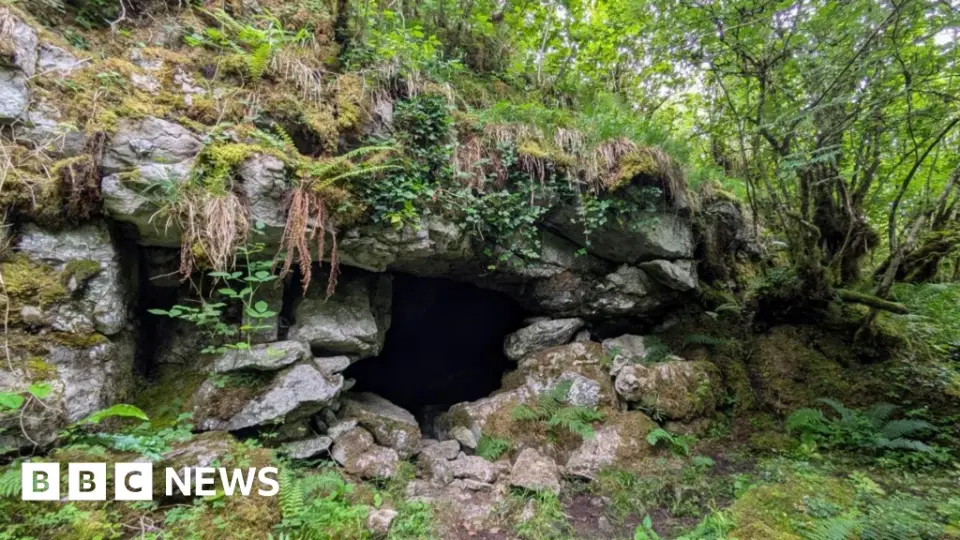
An international team led by Dr. George Nash has discovered prehistoric cave art in eight caves in southwest Ireland, dating to at least 15,000 years ago. This finding pushes the earliest known human presence on the island back by approximately 5,000 years, suggesting that hunter-gatherers crossed a land bridge from Wales during the Ice Age.
Key points
- The Lost Land Bridge Project identified eight caves in southwest Ireland containing rock art, including engravings, ochre and charcoal paintings, and finger-drawn marks in clay.
- The art is estimated to be at least 15,000 years old, predating the previous oldest evidence of humans in Ireland (around 10,500 years ago) by roughly 5,000 years.
- Researchers used an AI algorithm trained on cave characteristics from south Wales to identify 28 potential sites in Ireland, of which eight contained art.
- The discovery suggests that early humans crossed a 46-mile land bridge between Pembrokeshire, Wales, and Rosslare, Ireland, during the Ice Age when sea levels were lower.
- The exact locations of the caves are being withheld to prevent vandalism and looting, and the dating is currently based on stylistic and contextual assessments rather than laboratory radiocarbon dates.
Background
This discovery builds on previous debates about the timeline of human migration to Ireland. Earlier findings, such as the 10,500-year-old evidence, were often accidental. The new research aligns with broader Ice Age migration patterns, where hunter-gatherers followed large herbivores like mammoths and bison across exposed land bridges. It also echoes recent advancements in using AI and digital mapping to locate archaeological sites, as seen in other cave art studies.
How outlets are covering it
BBC Wales and The Debrief emphasize the significance of the discovery in rewriting Ireland's human history and the role of the land bridge. Space Daily highlights the methodological innovation of using AI to guide the search and notes that the dating is currently a stylistic assessment rather than a laboratory-verified fact. HeritageDaily focuses on the potential for further discoveries in other parts of Ireland, such as Wexford and Waterford, and the importance of protecting the sites from looting. All sources agree on the core finding but differ in their emphasis on the certainty of the dating and the future implications of the research.
Why it matters
This discovery challenges the previously accepted timeline of human arrival in Ireland, suggesting that the island was inhabited much earlier than thought. It provides new insights into Ice Age migration patterns and the use of land bridges by hunter-gatherers. The use of AI to guide the search also demonstrates a new approach to archaeological discovery, potentially leading to further findings in other regions.
What to watch
The team plans to conduct laboratory dating of the art to confirm its age. They also intend to expand their search to other parts of Ireland, particularly Wexford, Waterford, and Cork, using the same AI model to identify more potential sites. The exact locations of the eight caves will remain undisclosed until the sites are protected from vandalism and looting.
- Ancient cave art discovery suggests first known humans in Ireland walked over from Wales BBC
- 15,000-year-old cave art discovery could rewrite the story of Ireland’s first humans HeritageDaily
- An algorithm-guided survey of eight caves in southwest Ireland found art dated to about 15,000 years ago, pushing known human presence on the island roughly 5,000 years earlier than previously thought Space Daily
- 15,000-Year-Old Cave Discovery in Ireland Could Push Back Earliest Evidence of Humans on the Island by 5,000 Years The Debrief
- Ancient Cave Art in Ireland Points to First Humans Coming From Wales 15,000 Years Ago Legit News
Want the full story? Read the original reporting
Read on BBC