
Stanford Study: Brief Contact Between Healthy and Bleached Corals Triggers Rapid Recovery
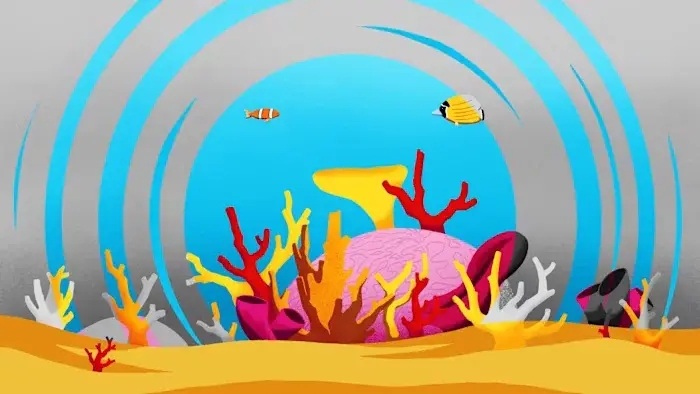
Stanford researchers discovered that bleached corals can recover within weeks through physical contact with healthy clones, facilitating the transfer of beneficial algae. While this 'symbiont transfer' offers a rapid restoration method, it is limited to genetically identical specimens and does not address the root cause of climate-driven bleaching.
Key points
- A 2026 study in Science Advances shows bleached corals fully recover in as little as seven weeks after touching healthy clones.
- The recovery mechanism involves tissue fusion, allowing beneficial algae (symbionts) to transfer from healthy to bleached polyps.
- Contact is only required for about one week; some fragments recovered after just three days of contact.
- The method only works between genetically identical fragments; different genotypes trigger an immune response.
- Experts note this is not a global solution, as severe heatwaves can kill corals before bleaching occurs, and it does not reduce future vulnerability.
Background
Coral reefs provide $9.8tn in annual global benefits, but 44% of reef-building corals face extinction risk. Previous archive coverage highlighted the urgency of finding rapid restoration methods due to accelerating climate change and frequent bleaching events.
How outlets are covering it
Financial Times emphasizes the serendipitous nature of the discovery and its potential for low-cost restoration, while noting limitations. Smithsonian Magazine highlights the speed of recovery and the role of hobbyists in identifying the phenomenon. Hackaday focuses on the practical implications for reef regeneration and the transfer of heat-tolerant symbionts. All sources agree that while promising, the method is not a silver bullet against climate change.
Why it matters
This discovery offers a new, rapid tool for coral restoration, potentially saving reefs in areas where not all corals have bleached. It highlights the importance of citizen science and provides a foundation for future research into more resilient coral species.
What to watch
Researchers are exploring selective breeding for heat tolerance and using lab-raised, heat-resistant symbionts to improve wild coral survival. Further studies will determine if the method can be scaled or adapted for different coral species.
- A chance discovery offers hope for coral reefs Financial Times
- Scientists discover a way to reverse coral bleaching at record speed Phys.org
- Sick Corals Can Heal With the Help of a 'Magic Touch' From Healthy Ones, Offering Hope for Heat-Damaged Marine Ecosystems Smithsonian Magazine
- Spreading Life To Bleached Coral Hackaday
- In California, bleached corals recovered in weeks, but only when touching healthy twins Yahoo
Want the full story? Read the original reporting
Read on Financial Times