
CNY viewers face moonlight and foliage timing for peak Orionid meteor shower
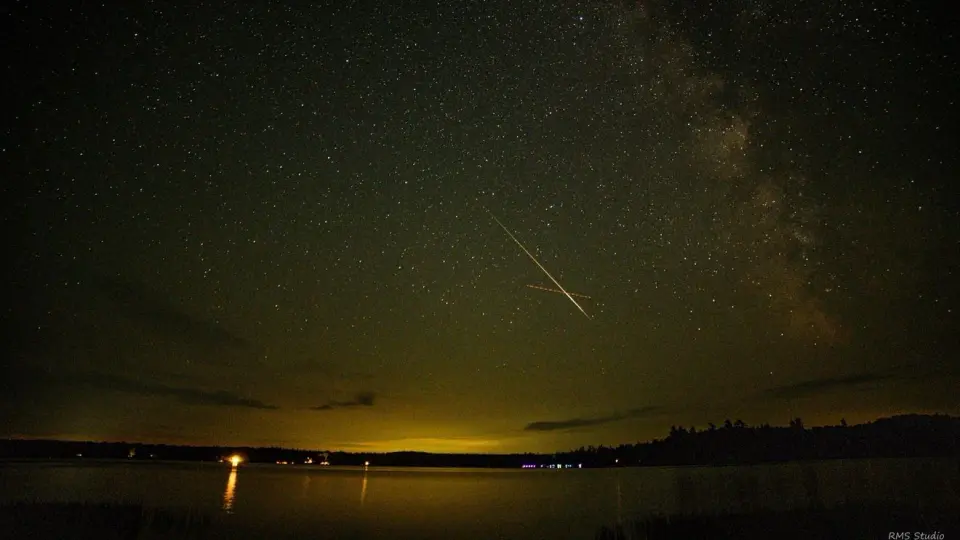
The Orionid meteor shower reaches its peak activity overnight between October 21 and 22, 2026, offering up to 20 meteors per hour under ideal conditions. However, a 76% illuminated waxing gibbous moon will obscure early evening viewing. The optimal window for observation occurs after the moon sets, roughly three hours before sunrise, when the sky darkens sufficiently to reveal the fast-moving debris from Halley's Comet. Simultaneously, parts of Central New York are experiencing peak fall foliage, creating a dual opportunity for outdoor enthusiasts to enjoy both celestial and terrestrial natural phenomena.
Key points
- The Orionid meteor shower peaks overnight between October 21 and 22, 2026, with up to 20 meteors per hour under ideal conditions.
- A 76% illuminated waxing gibbous moon will obscure early evening viewing, delaying optimal observation until after moonset, roughly three hours before sunrise.
- The meteors originate from debris left by Halley's Comet and appear to radiate from near Betelgeuse in the constellation Orion.
- Parts of Central New York are currently experiencing peak fall foliage, coinciding with the meteor shower's peak activity.
- Observers should look away from the constellation Orion for the best views of the meteor shower.
Background
The Orionid meteor shower is an annual event that occurs when Earth intersects the debris trail of Halley's Comet. Previous coverage noted that the 2026 peak was expected overnight on October 21-22, with optimal viewing conditions after the moon sets around 3 a.m. The current article from WSTM confirms these details and adds the concurrent peak of fall foliage in Central New York.
Why it matters
The Orionid meteor shower is a significant astronomical event that offers a unique opportunity for observers to witness fast-moving meteors. The coincidence with peak fall foliage in Central New York provides a dual natural spectacle, enhancing the outdoor experience for residents and visitors. Understanding the timing and conditions for optimal viewing helps enthusiasts plan their observations effectively.
What to watch
Observers should plan to view the meteor shower after the moon sets, roughly three hours before sunrise, to maximize visibility. Additionally, those interested in fall foliage should take advantage of the current peak conditions in Central New York.
- Peak viewing for the Orionid meteor showers and for fall foliage across parts of CNY WSTM
- Orionid meteor shower 2026: cloud cover forecast by region The Weather Channel
- How to Catch the Orionids, a Meteor Shower From Halley’s Comet The New York Times
- Orionid meteor shower to light up October skies with fiery cosmic display FOX Weather
- The Orionid meteor shower peaks tonight: Here’s the best time to look up USA TODAY 10BEST
Want the full story? Read the original reporting
Read on WSTM