
Two Developmental Tracks Forge the Human Brain, New Study Finds
TL;DR
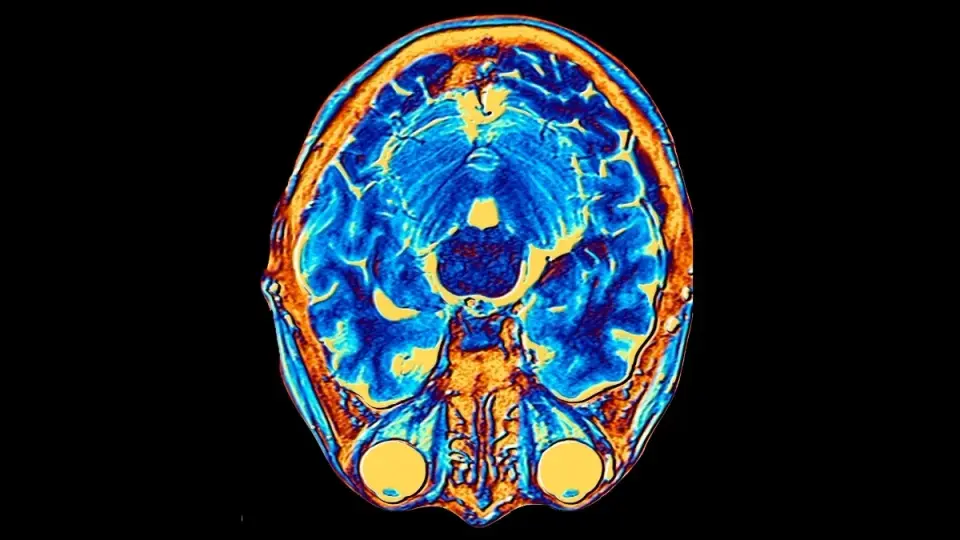
Stanford-led research in Nature Neuroscience shows the brain develops from two collaborating progenitor cell types that create forebrain/midbrain and hindbrain in parallel, a split seen in mouse gastrulation and confirmed in human pluripotent stem cells differentiating into neural ectoderm. The forebrain/midbrain lineage marks the gene Otx2, while the hindbrain lineage marks Gbx2, and the two lineages have distinct chromatin landscapes, suggesting non-interchangeable roles. The study implies the brain’s two-part origin may reflect an ancient evolutionary split and could inform brainstem disease research.
- Textbook Rewrite: The Human Brain Has Two Distinct Origins, Scientists Discover sciencealert.com
- Human brain is two separate organs, research finds Medical Xpress
- Brain is two separate organs, scientists find telegraph.co.uk
- Our brain evolved from two primitive nervous systems that merged New Scientist
- The brain is a single organ. But it may not start that way, study suggests San Francisco Chronicle
Want the full story? Read the original reporting
Read on sciencealert.com