Stanford Study Reveals Human Brain Originates from Two Distinct Neural Systems
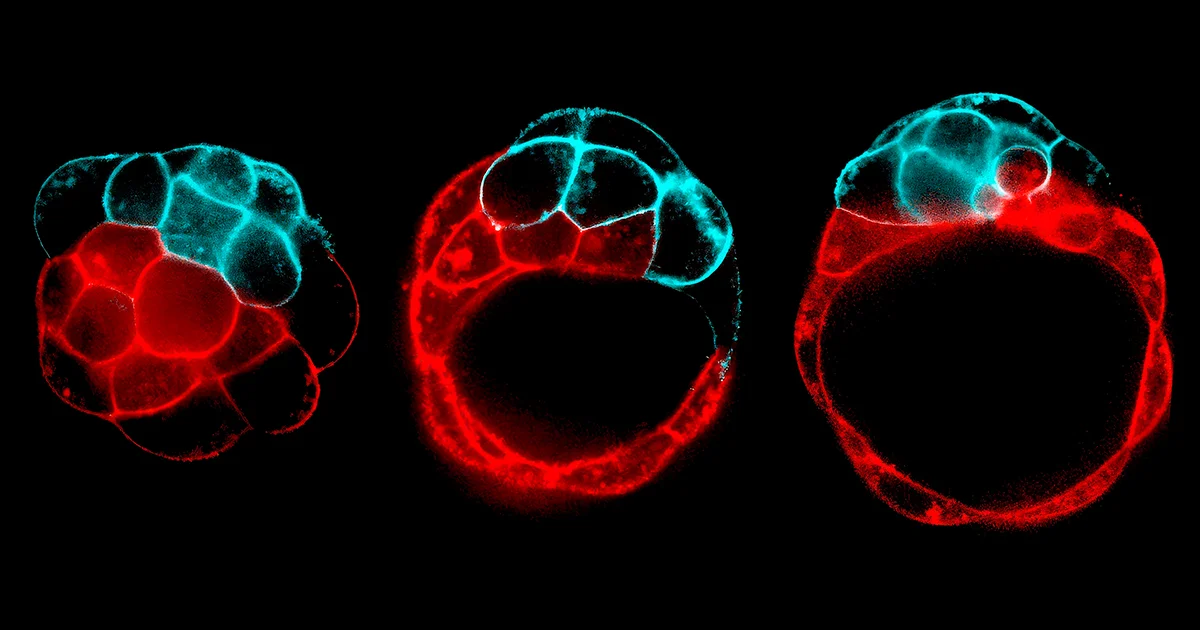
A new study led by Stanford Medicine researchers, published in Nature Neuroscience on September 18, 2026, challenges the long-held belief that the human brain develops from a single progenitor cell. Instead, the research indicates the brain consists of two distinct organs—the forebrain and hindbrain—that arise from separate, parallel developmental pathways during embryonic gastrulation. This discovery explains why scientists previously failed to grow hindbrain neurons in labs and opens new avenues for studying neurodegenerative diseases like ALS and spinal muscular atrophy (SMA). The findings suggest this dual-origin structure is evolutionarily conserved, tracing back at least 550 million years to ancestors like acorn worms.