
SpaceX Launches 19th Classified Space Force Mission, Igniting Debate Over Transparency
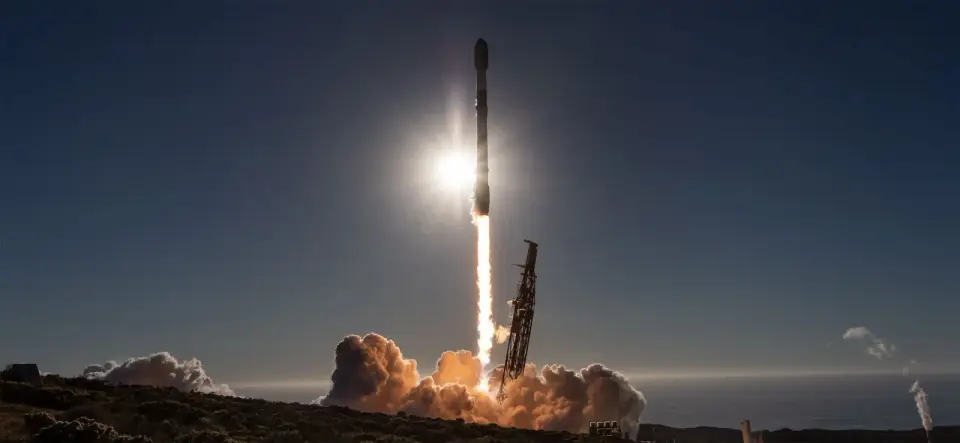
SpaceX launched the USSF-432 mission from Vandenberg on November 6, 2026, deploying a classified payload for the U.S. Space Force. This is the 19th such launch in 2026, with no public details provided regarding the satellites or program. While the booster landed successfully, officials have not confirmed deployment success, raising questions about the opacity of recent national security space activities.
Key points
- The Falcon 9 rocket lifted off from Space Launch Complex 4 East at Vandenberg Space Force Base on November 6, 2026, at 4:48 p.m. PST.
- The mission, designated USSF-432, is also identified as R-4 in public documents, continuing a series of 'R' missions that began in August 2026.
- The first stage booster, B1095, completed its eighth flight and landed on the droneship 'Of Course I Still Love You' in the Pacific Ocean.
- SpaceX cut the live broadcast at stage separation, and neither SpaceX nor the Space Force confirmed successful satellite deployment or provided details on the payload.
- This launch marks the 19th national security mission for SpaceX in 2026, with over 70% of the company's Falcon 9 launches this year dedicated to Starlink.
Background
Recent months have seen a surge in classified launches for the U.S. Space Force, with the 'R' series missions beginning in August 2026. Previous launches in this series, including USSF-366, USSF-153, and USSF-385, each placed 23 satellites in orbit, according to orbital catalog entries. These satellites are believed to be based on SpaceX's Starshield platform, a government version of the Starlink satellite, and are potentially part of the Space Force's Space Based Sensing and Targeting program, according to tracker Jonathan McDowell. The lack of official confirmation for these missions has been a recurring theme in recent coverage.
How outlets are covering it
SpaceNews highlights the lack of disclosure, noting that 18 launches in 2026 have occurred without program names or payload details, and calls for greater transparency. Spaceflight Now provides technical details, including the booster's flight history and the droneship landing, while emphasizing the repeated delays and lack of confirmation. Space.com focuses on the visual spectacle of the launch and the mystery surrounding the payload, noting that SpaceX cut the broadcast early. All sources agree on the basic facts of the launch but differ in emphasis, with SpaceNews focusing on policy and transparency, Spaceflight Now on technical details, and Space.com on the event's visual and public interest aspects.
Why it matters
The continued lack of transparency in national security space launches raises concerns about public accountability and the role of private companies in government space activities. As SpaceX becomes increasingly central to U.S. space operations, the opacity of these missions could have implications for international relations, space policy, and public trust in space programs. The frequency of these launches also highlights the growing importance of satellite constellations for national security and the potential for a new space race.
What to watch
The next 'R' mission is expected to follow the established pattern, with no public details provided. SpaceX and the Space Force are likely to continue their current practice of limited disclosure, unless there is a significant change in policy or public pressure. The success of these missions will be crucial for the Space Force's Space Based Sensing and Targeting program, and any confirmation of deployment success could provide insights into the capabilities of the Starshield platform.
- Eighteen launches, no program names: a call for disclosure SpaceNews
- Falcon 9 launches from California on classified mission for U.S. Space Force Spaceflight Now
- SpaceX launches mystery mission for US Space Force in gorgeous sunset liftoff from California (photos) Space
- SpaceX preparing for afternoon launch from Vandenberg SFB KSBY News
- USSF-627 Mission SpaceX
Want the full story? Read the original reporting
Read on SpaceNews