
NASA's 1973 Plan for a 396-Day Crewed Flyby of Venus
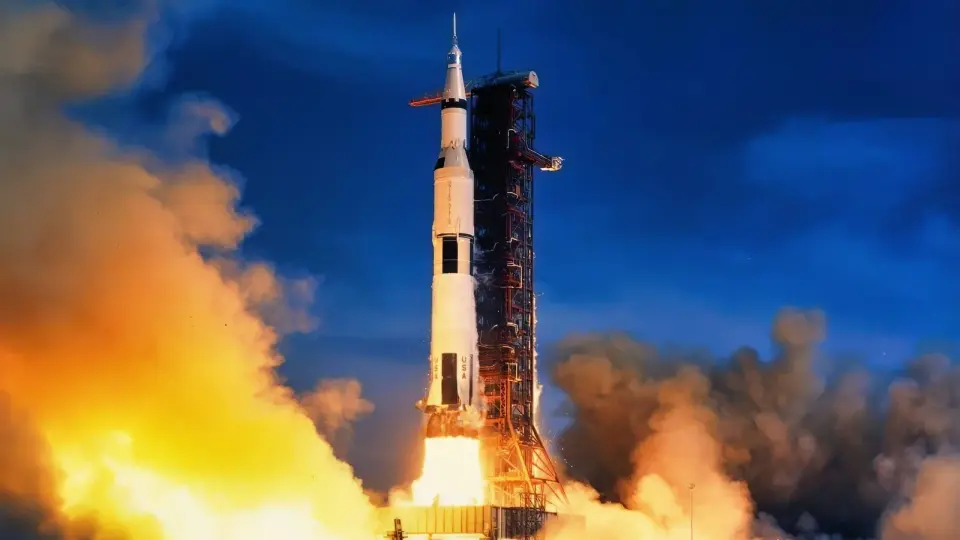
NASA planned a 396-day crewed mission to fly past Venus in 1973 using modified Apollo hardware, but budget cuts and shifting priorities canceled the project.
Key points
- NASA proposed a 396-day crewed mission to fly past Venus, with a planned launch date of October 31, 1973.
- The mission would have used a standard Saturn V rocket and modified Apollo spacecraft, including a 'wet workshop' concept that converted the S-IVB upper stage into living quarters.
- The spacecraft would have approached Venus at a distance of approximately 6,000 km, allowing for detailed scientific observations without entering the planet's hazardous atmosphere.
- Astronauts would have deployed robotic probes to collect atmospheric data, serving as an orbital command center to mitigate radio signal delays with Earth.
- The mission was canceled due to declining public enthusiasm for space travel, the Vietnam War's impact on federal resources, and reduced NASA budgets in the 1970s.
Background
This proposal emerged during the Apollo Applications Program, which sought new uses for Saturn V rockets and Apollo spacecraft after the lunar landings. The concept influenced the development of Skylab, America's first space station. Recent NASA activities, such as the 241-day ISS mission of astronaut Chris Williams and the 14-month Moon-Mars simulation at Johnson Space Center, highlight ongoing efforts to prepare for long-duration spaceflight, though these remain far shorter than the proposed 396-day Venus flyby.
Why it matters
The canceled Venus flyby represents a missed opportunity for humanity's first interplanetary crewed mission, highlighting how political and economic factors can shape space exploration. The mission's design, including life-support systems and long-duration operations, anticipated challenges faced in modern Mars mission planning, underscoring the enduring relevance of its engineering concepts.
What to watch
No immediate follow-up is expected, as the mission was canceled decades ago. However, the concepts explored in the Venus flyby continue to influence modern space exploration, particularly in the development of life-support systems and long-duration mission planning for Mars.
Want the full story? Read the original reporting
Read on 19FortyFive