
China restructures lunar program after Chang'e-7 delay
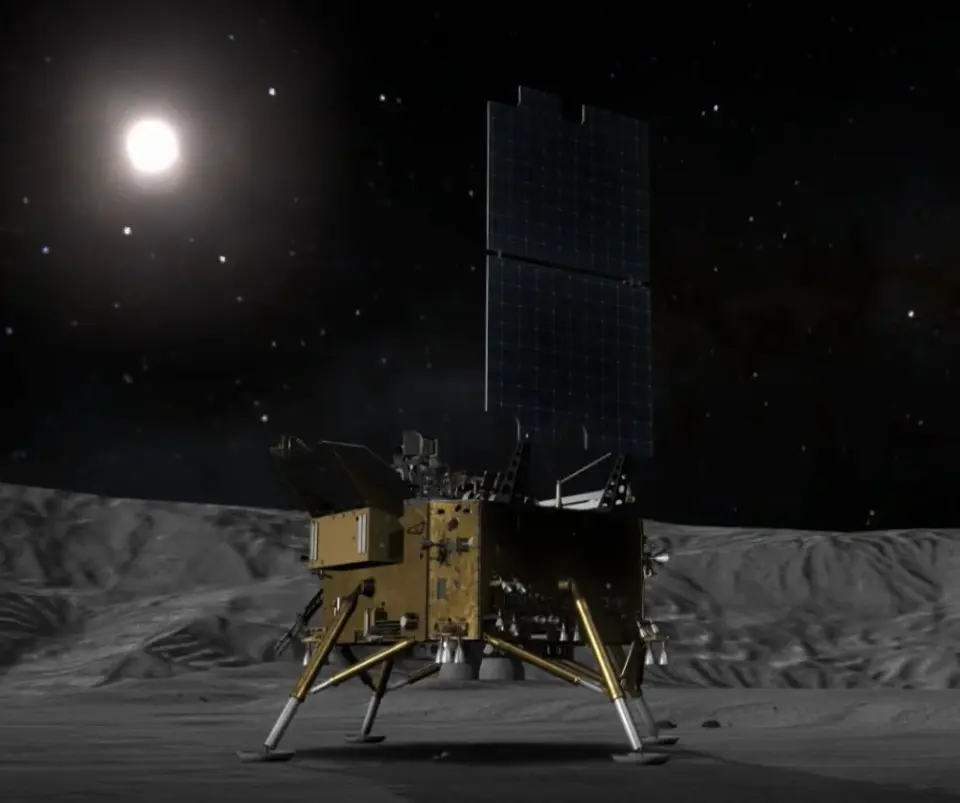
China has reorganized its robotic lunar exploration program following the postponement of the Chang'e-7 mission. The China National Space Administration (CNSA) and the China Manned Space Engineering Office (CMSA) cited principles of prudence and reliability for the delay, which occurred after the Long March 5 rocket was already staged at the Wenchang Space Launch Site. This setback impacts the timeline for the International Lunar Research Station and crewed landing plans, though officials emphasize that avoiding mission failure was the priority.
Key points
- The Chang'e-7 mission, which was already on the launch pad at Wenchang, was delayed after missing its late-August launch window.
- CNSA and CMSA issued a joint press release stating the decision was based on 'principles of prudence, reliability, and absolute mission success.'
- The delay affects the timeline for the International Lunar Research Station (ILRS) and the 2030 crewed lunar landing, as Chang'e-7 data is needed for thermal and regolith analysis.
- SpaceNews reports that China's human spaceflight agency is reconfiguring the robotic moon landing program after assuming overall authority for lunar missions.
- The next viable launch window is expected to be sometime next year, at the earliest.
Background
Previous coverage in August 2026 highlighted that Chang'e-7 was a critical precursor to China's lunar base plans, featuring an orbiter, lander, rover, and a hopping probe designed to search for water ice in Shackleton Crater. Earlier reports noted that weather from Tropical Depression Narra had initially stalled the mission, with some sources suggesting a 2027 launch. The mission was also seen as part of a broader international race to exploit lunar water resources, involving competitors like Intuitive Machines and Blue Origin.
How outlets are covering it
SpaceNews emphasizes the structural reorganization of China's lunar program, noting that the human spaceflight agency is taking over authority from CNSA, which may explain the strategic shift in mission planning. Universe Today focuses on the operational and technical aspects, highlighting that the rocket was already staged and that the delay, while a setback, was a calculated risk to avoid a failed mission. Universe Today also stresses the cascading effects on the ILRS and crewed landing timelines, whereas SpaceNews frames the delay as part of a broader policy and administrative restructuring.
Why it matters
The delay of Chang'e-7 signals a potential shift in China's approach to lunar exploration, moving from a purely CNSA-led robotic program to a more integrated strategy involving the manned space agency. This reorganization could affect the pace of China's lunar ambitions, including the ILRS and the 2030 crewed landing, and may influence international cooperation and competition in lunar resource exploitation.
What to watch
China is expected to attempt a new launch for Chang'e-7 in the coming year, with the exact date to be determined by future launch windows. The reorganization of the lunar program may lead to changes in mission priorities and timelines for both robotic and crewed lunar missions. International partners and competitors will likely monitor the progress of the ILRS and China's 2030 crewed landing plans closely.
Want the full story? Read the original reporting
Read on SpaceNews