Tag

Lunar South Pole

All articles tagged with #lunar south pole

Isaacman: China’s Lunar Delay Gives US Critical Window to Secure Moon’s South Pole
space-policy15 days ago

Isaacman: China’s Lunar Delay Gives US Critical Window to Secure Moon’s South Pole

NASA Administrator Jared Isaacman stated that the unexpected delay of China’s Chang’e 7 mission provides the United States with a strategic opportunity to establish a presence at the Moon’s south pole before Beijing. Speaking at the Off World conference in Houston, Isaacman described the slip as a chance to 'dodge a bullet,' noting that Chinese probes could have established exclusion zones in Shackleton Crater, a region rich in water ice. He emphasized that the US must accelerate its Artemis program to avoid being outpaced by China, which targets a crewed lunar landing by 2030. The delay allows NASA to potentially deploy Blue Origin’s Blue Moon Mark 1 lander in early 2027, securing key infrastructure before Chinese robotic probes arrive. Isaacman framed this race as a global security issue, arguing that technological leadership on the Moon influences which nations align with US or Chinese standards.


Isaacman: China’s Lunar Delay Gives US a Critical Window to Secure Moon’s South Pole
space-policy15 days ago

Isaacman: China’s Lunar Delay Gives US a Critical Window to Secure Moon’s South Pole

NASA Administrator Jared Isaacman stated that the unexpected delay of China’s Chang’e 7 mission provides the United States with a strategic opportunity to establish a presence at the Moon’s south pole before Beijing. Isaacman argued that controlling access to Shackleton Crater, which contains valuable water ice, is vital for global technological and security leadership. He emphasized that the US must accelerate its Artemis program to avoid being outpaced by China, which targets a crewed lunar landing by 2030. The delay, originally caused by weather, allows NASA to potentially deploy Blue Origin’s Blue Moon Mark 1 lander in early 2027, securing key infrastructure before Chinese robotic probes arrive.

Isaacman’s Memo Signals Shift to 'Good Deals' and Lunar Base Acceleration
space-policy17 days ago

Isaacman’s Memo Signals Shift to 'Good Deals' and Lunar Base Acceleration

NASA Administrator Jared Isaacman issued a memo to staff on September 20, 2026, outlining an accelerated strategy for the Artemis program and a new approach to international partnerships. The memo emphasizes a pivot from the Gateway station to a permanent 'Moon Base' at the lunar south pole, citing competition with China. Isaacman stated that NASA will only pursue international agreements that offer 'good deals' with tangible contributions, rejecting previous models that prioritized diplomatic optics over mission efficiency. Key milestones include a potential Artemis III launch in summer 2027 and the development of nuclear-powered spacecraft for future missions.

Chang'e-7 lunar water mission delayed as lunar south pole race heats up
space1 month ago

Chang'e-7 lunar water mission delayed as lunar south pole race heats up

China has delayed the Chang'e-7 mission, which would drill for water ice at the Moon’s south pole, saying the launch window could not be met. The postponement leaves open when China will try again, amid a broader race to exploit lunar water resources that includes upcoming missions from Intuitive Machines, Astrobotic, and Blue Origin aimed at the south pole.

China’s Chang’e 7 Eyes Lunar South Pole Ahead of 2030 Moon Landing
space1 month ago

China’s Chang’e 7 Eyes Lunar South Pole Ahead of 2030 Moon Landing

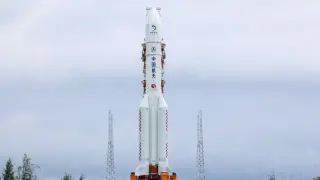
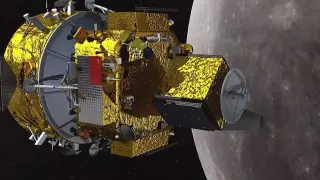
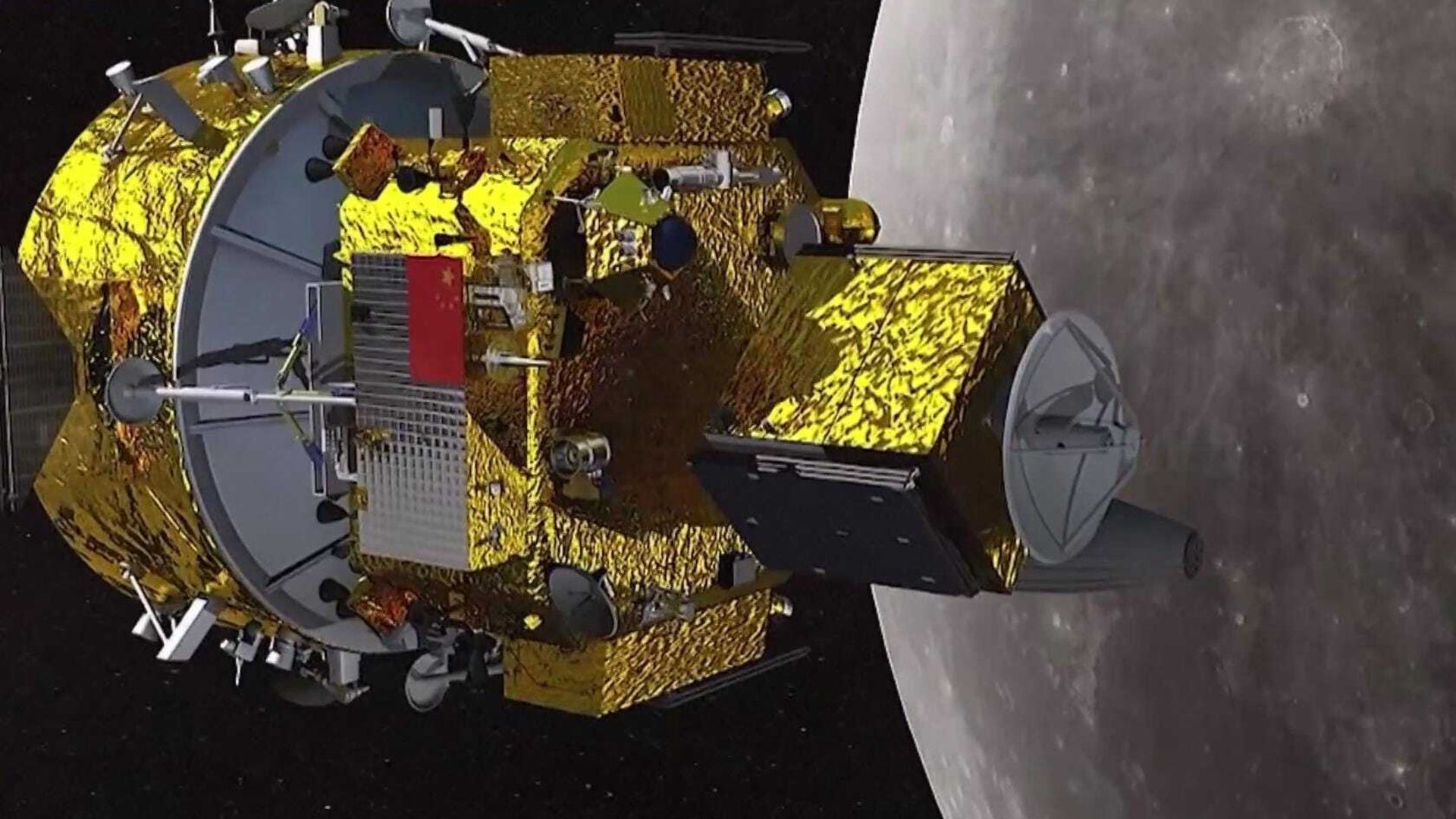
China’s Chang’e-7 mission, a multi-hop robotic expedition featuring an orbiter, lander, rover and a hopping spacecraft with international instruments, is targeting an Aug. 24, 2026 launch to the Moon’s south pole near Shackleton Crater. The mission will perform integrated orbital, landing, roaming and hopping operations to study the lunar environment and resources (including potential water ice), test new tech such as an image navigation system, and lay groundwork for a future crewed lunar landing by 2030 and the broader International Lunar Research Station with international partners.

Africa’s BALLS: a lunar radio telescope test under China’s Chang’e-8 slated for 2029
space2 months ago

Africa’s BALLS: a lunar radio telescope test under China’s Chang’e-8 slated for 2029

Africa and partners will deploy the Bounced African Low Lunar Sphere (BALLS), three spherical low‑frequency radio probes, as a technology demonstrator on China’s Chang’e‑8 mission to the Moon’s south pole by 2029. The experiment aims to form a radio telescope array capable of observing very low-frequency signals (below ~20–50 MHz) from the early universe, serving as pathfinder hardware for the broader Africa2Moon network of 55 antennas on the lunar farside. Led by the Foundation for Space Development Africa with SARAO and collaborators across Africa, BALLS will relay data to a lunar lander and then back to Earth, with prototypes tested in 2026 and the broader mission contingent on continued collaboration with China.

NASA's Tiny Seismometer Aims to Survive the Moon's Two-Week Polar Night
space4 months ago

NASA's Tiny Seismometer Aims to Survive the Moon's Two-Week Polar Night

NASA’s Goddard Space Flight Center is testing the 66-pound Lunar Environment Monitoring Station (LEMS), a suitcase-sized seismometer designed to endure the Moon’s two-week polar night using an advanced multi-layer insulation blanket and a reworked lithium-ion battery charging method; if successful, LEMS would become the first American instrument to survive at the lunar south pole through darkness and operate for up to two years, providing seismic data to better map the Moon’s interior and supporting future Artemis missions.

Artemis II: NASA’s Crewed Moon Flyaround Signals a New Era of Lunar Exploration
space6 months ago

Artemis II: NASA’s Crewed Moon Flyaround Signals a New Era of Lunar Exploration

NASA’s Artemis II mission will send four astronauts on a roughly 10-day crewed flyaround of the Moon to test systems ahead of future lunar landings and a long-term lunar presence. The flight aims to advance science—studying lunar geology and the southern polar region’s water ice—while also evaluating human physiology in deep-space conditions and laying groundwork for a lunar base and eventual missions to Mars as part of the broader Artemis program.

Blue Origin Secures NASA Contract to Deploy VIPER Rover to Lunar South Pole
space1 year ago

Blue Origin Secures NASA Contract to Deploy VIPER Rover to Lunar South Pole

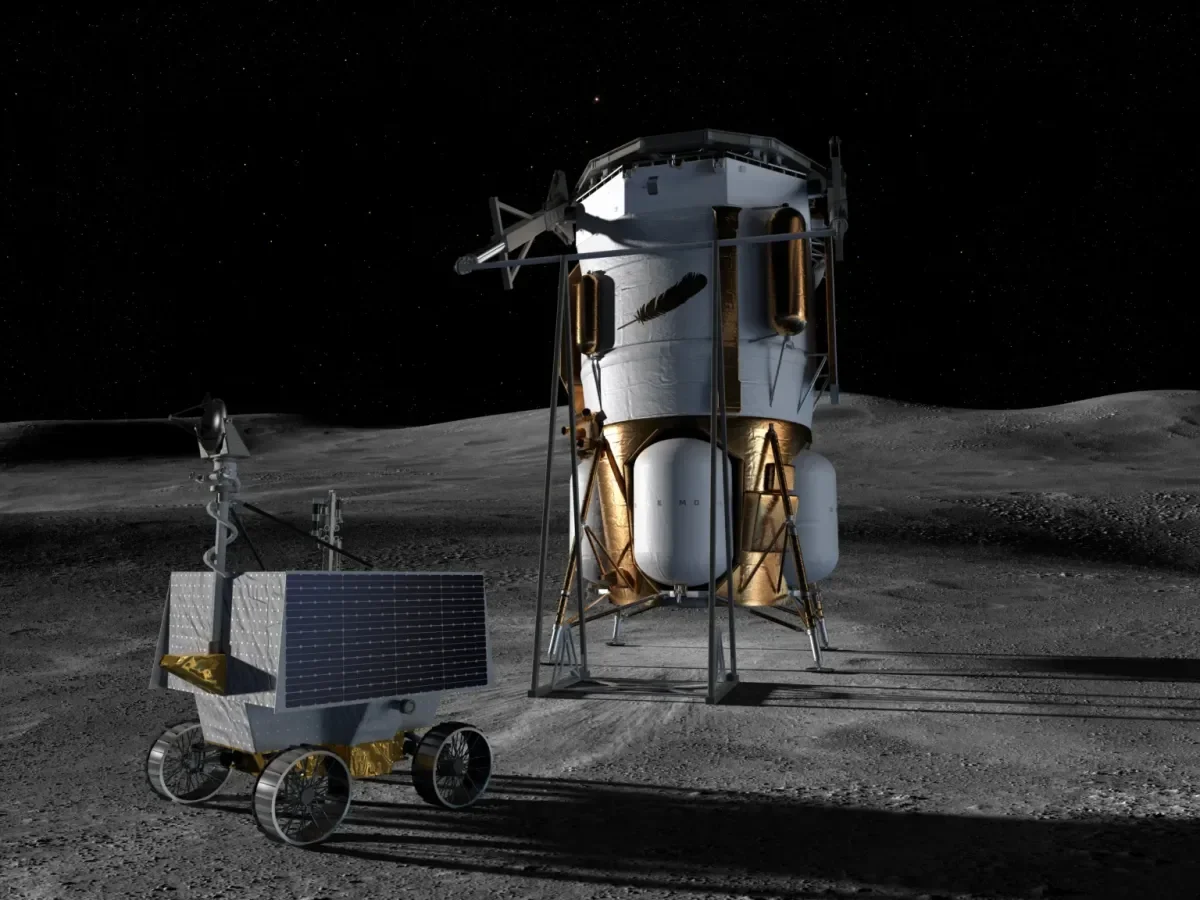
Blue Origin has secured a NASA contract worth approximately $190 million to deliver the VIPER rover to the lunar south pole using its Blue Moon MK1 lander, marking a significant step in lunar exploration and resource prospecting, with the rover expected to operate for about 100 days to study water ice deposits crucial for future human missions.

"VIPER Moon Rover Prepares for Launch to Hunt Ice on NASA Mission"
space-exploration2 years ago

"VIPER Moon Rover Prepares for Launch to Hunt Ice on NASA Mission"

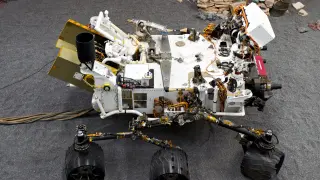
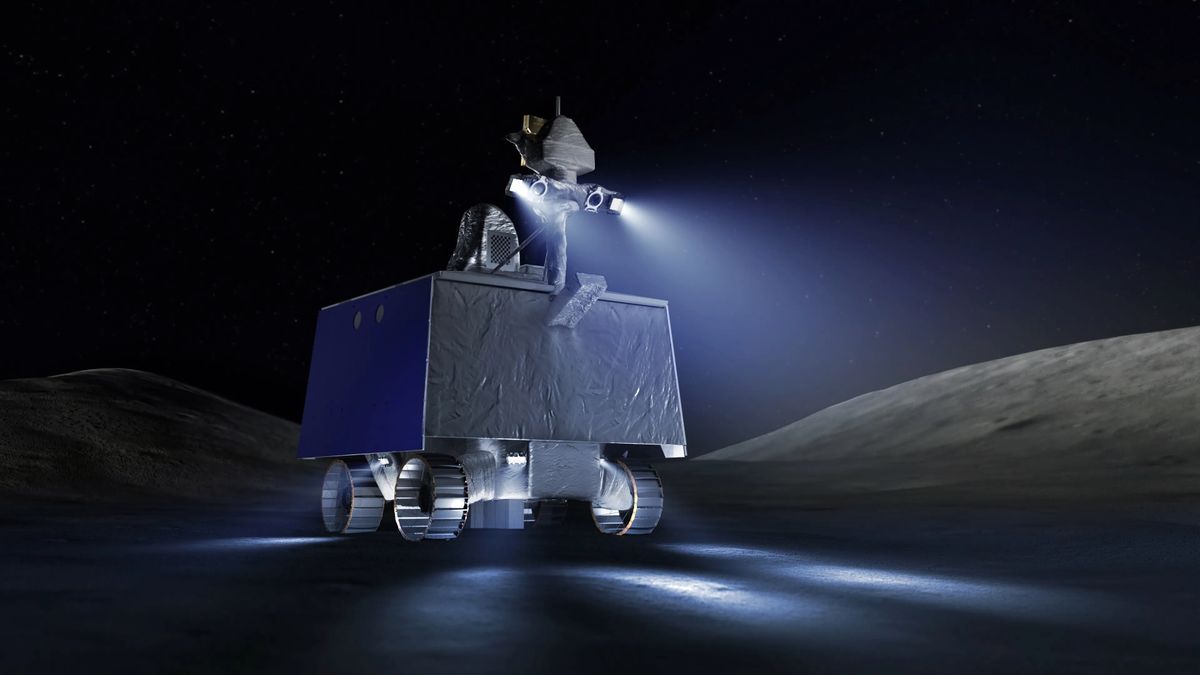
NASA's VIPER rover, set to launch toward the moon later this year, has reached a major milestone with over 80% of its construction completed. The rover will land near the lunar south pole to search for water ice and resources to support future Artemis astronauts. VIPER will spend 100 days collecting data and mapping resources, becoming the first-ever resource mapping mission on another celestial body. The rover's systems are undergoing crucial testing to ensure its success in the extreme lunar environment.

"Odysseus Moon Lander: Unprecedented Images, Unexpected Challenges"
space-exploration2 years ago

"Odysseus Moon Lander: Unprecedented Images, Unexpected Challenges"

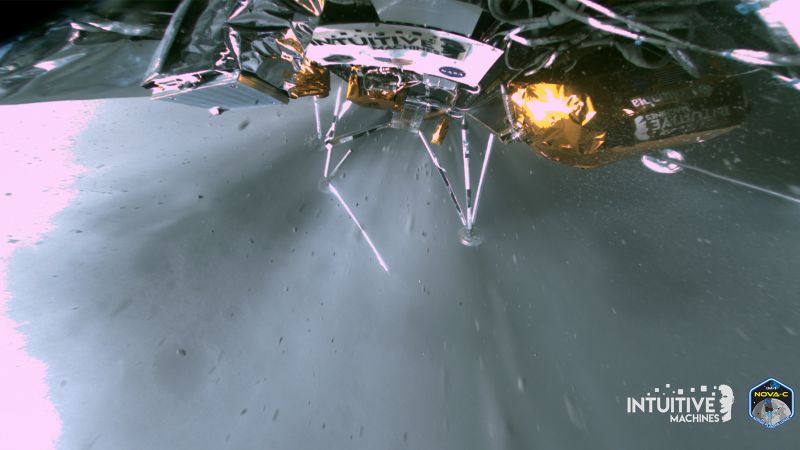
New images from the Odysseus mission show the spacecraft after its historic soft touchdown on the moon, with all instruments transmitting data despite setbacks during descent. The spacecraft, developed by Intuitive Machines, landed near the lunar south pole and is successfully delivering data from NASA instruments and commercial payloads, including a dual-camera observatory. NASA's Navigation Doppler Lidar played a critical role in the mission's success, despite initial navigation issues and the spacecraft landing on its side.

"The Moon's Shrinking: Implications for NASA Missions and Lunar Quakes"
space-exploration2 years ago

"The Moon's Shrinking: Implications for NASA Missions and Lunar Quakes"

The Moon's shrinking size is causing significant seismic activity near the lunar south pole, jeopardizing potential landing sites for future manned missions and outposts. The area, targeted for its water deposits, has experienced strong moonquakes, posing threats to personnel and settlements. The Moon's contraction, driven by its hot, molten core and tidal forces from Earth, leads to the formation of thrust faults and moonquakes. This tectonic activity raises concerns for the stability of future lunar outposts and the safety of human presence on the Moon.

"Shrinking Moon Poses Challenges for Astronauts"
space-exploration2 years ago

"Shrinking Moon Poses Challenges for Astronauts"

New research funded by NASA suggests that the moon's core cooling and shrinking is causing its surface to develop creases, leading to "moonquakes" and landslides, potentially posing a threat to future human settlers and equipment in the lunar south pole region. Despite the moon's appearance as a geologically dead object, it is still seismically active due to its hot interior, with faults and landslides being detected. While the findings will not affect the Artemis III mission, they could impact long-term human presence on the moon, prompting the need for more data and consideration of geographic characteristics. Moonquakes, though potentially problematic for future manned missions, are seen as an opportunity to study the moon's interior structure and present-day activity.