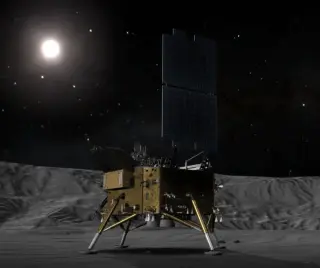
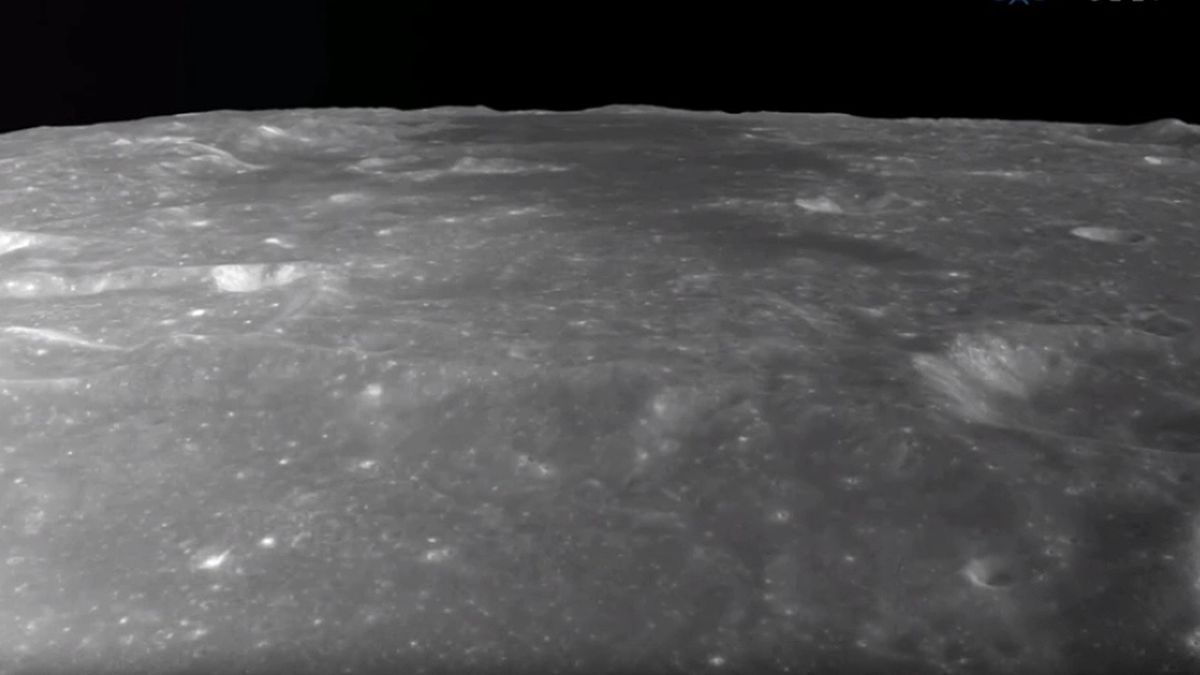
China’s space agency appears to be reorganizing its robotic lunar exploration plans after taking overall authority for lunar missions, with the Chang’e-8 south-pole mission adjusted as part of the restructuring.
China's space agency announced plans to develop a coordinated space-ground asteroid early-warning network that would combine ground-based optical telescopes with a space-based observing constellation to detect near-Earth asteroids, especially those approaching from the sunward direction. The proposed architecture includes a basic model with a Sun-Earth L1 satellite plus northern and southern ground stations, and an extended model that adds Venus-like or distant retrograde orbits to improve sky coverage. The move aligns with China’s 15th Five-Year Plan, complements ongoing international efforts (e.g., NASA's DART, ESA's Hera), and emphasizes open data sharing and potential radar capabilities as gaps in current asteroid tracking persist. The development comes amid calls for stronger planetary defense and the upcoming International Year of Planetary Defense in 2029 and notable close approaches such as Apophis' flyby.
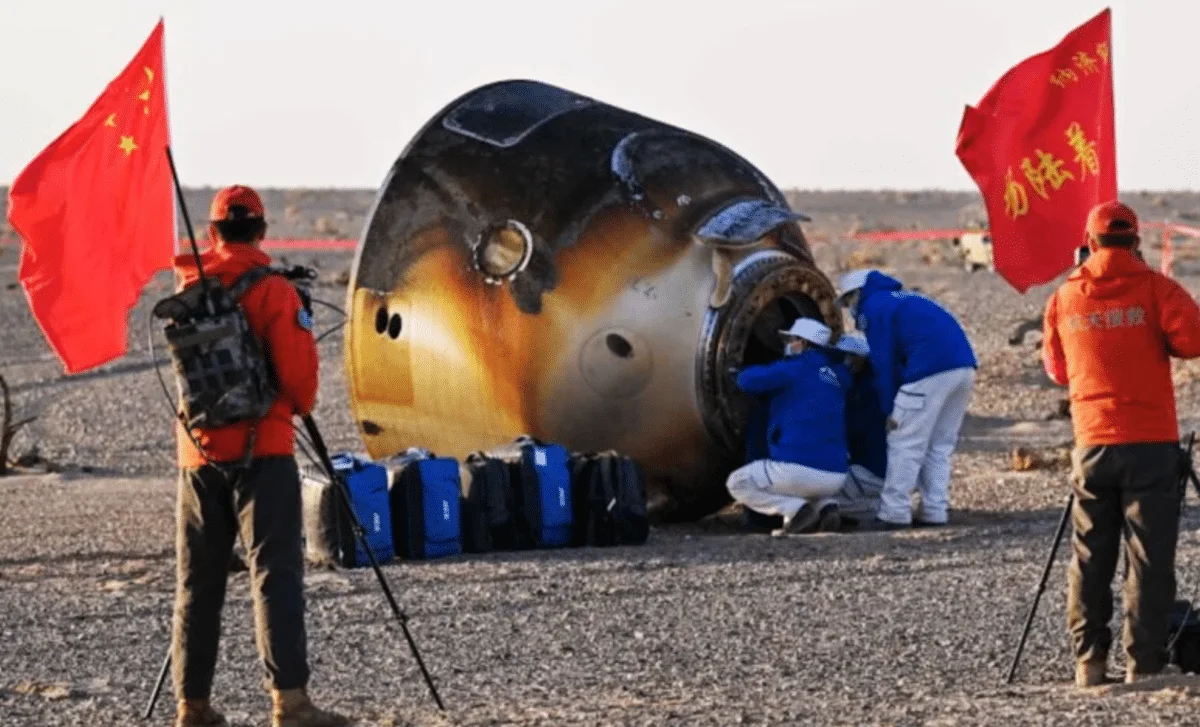
New revelations show that Shenzhou-20’s viewport cracks were far more serious than initially reported, triggering an uncrewed rescue mission, the use of a port-hole crack repair device during re-entry, and rapid ground-team actions—including cutting the main parachute to prevent dragging after landing when no crew member could detach it.
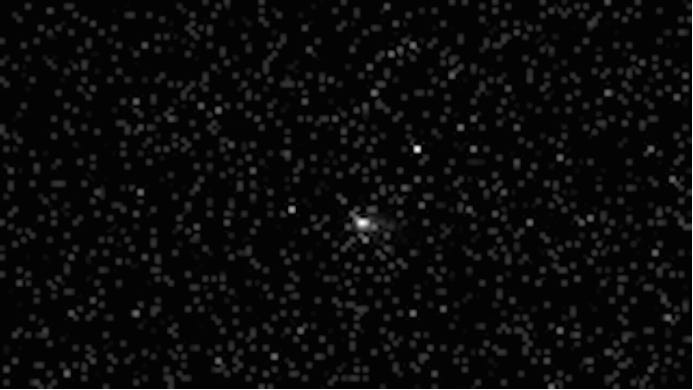
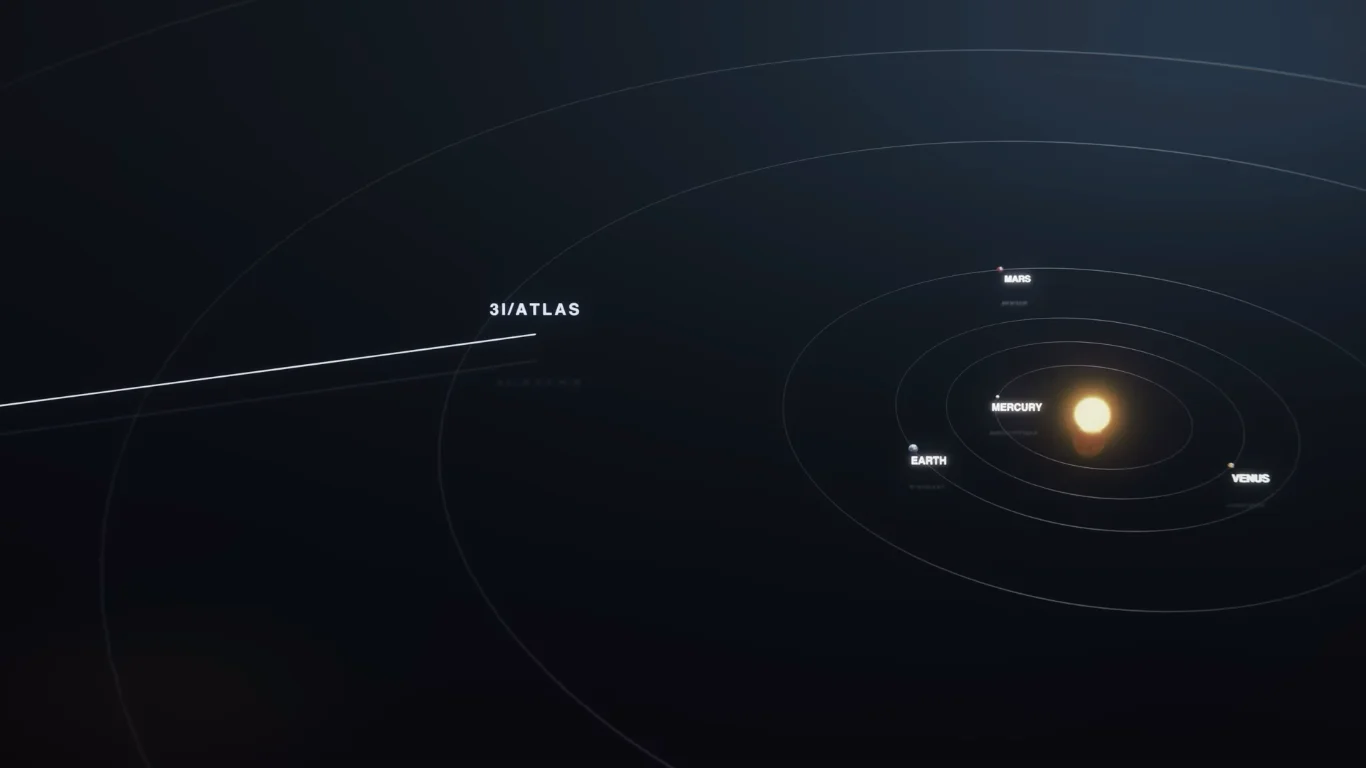
On October 3, 2025, the interstellar object 3I/ATLAS passed within 29 million kilometers of Mars, with the CNSA's Tianwen-1 orbiter capturing fuzzy images of its nucleus and surrounding coma, while higher-resolution images from NASA's HiRISE are awaited.
Claims that China's space agency revealed hidden NASA data on the interstellar comet 3I/ATLAS are unsubstantiated, with no credible evidence supporting the theory. Both NASA and CNSA have not released new imagery since the comet's fly-by near Mars, likely due to technical delays and data processing, not secrecy. Experts emphasize that such delays are common in interstellar object observations, and further findings are expected as the comet approaches perihelion in late 2025.
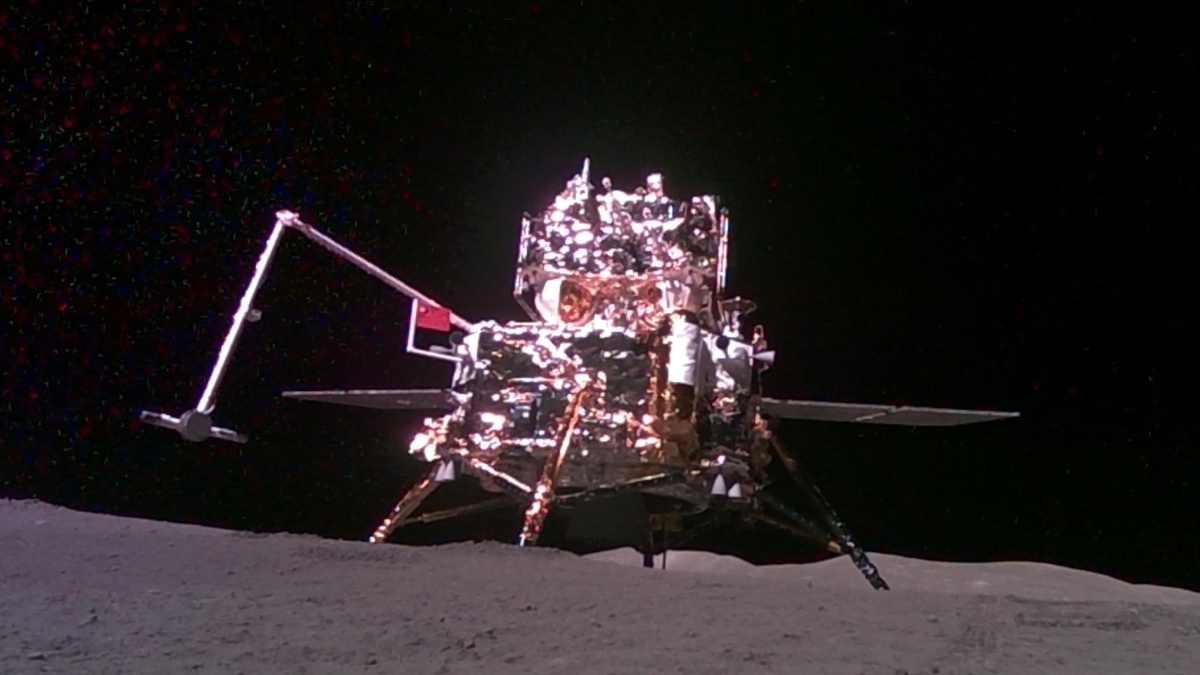
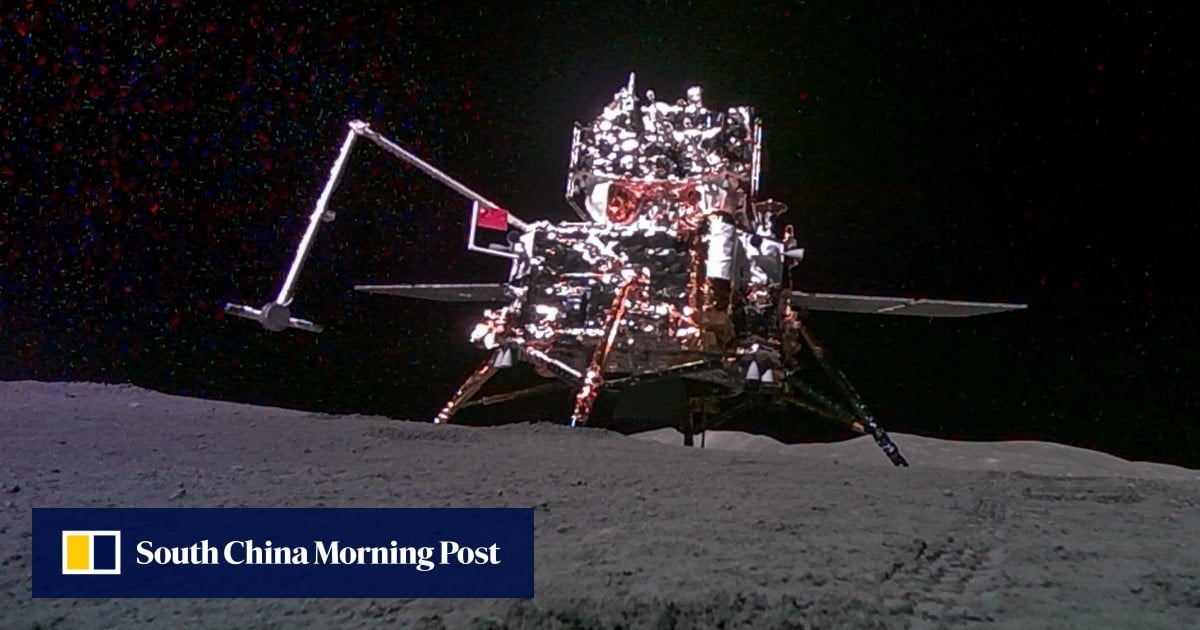
China's space agency has begun accepting applications from domestic researchers to study samples collected by the Chang'e 6 mission from the far side of the moon. The mission, which launched in May and returned in June, brought back 1,935 grams of lunar material from the Apollo crater. These samples, the first from the moon's far side, could provide new insights into lunar evolution. While currently available only to Chinese researchers, international applications will be accepted in about two years.
China has officially declared the United States as a competitor in the race to explore and utilize lunar resources, marking a significant shift in its space policy. The China National Space Administration (CNSA) plans to establish a lunar base by 2045, complete with power plants, factories, and research institutions, aiming to lead in deep space exploration. This move comes as the US faces challenges with its Artemis program and private lunar missions, highlighting a new era of competition reminiscent of the Cold War space race.
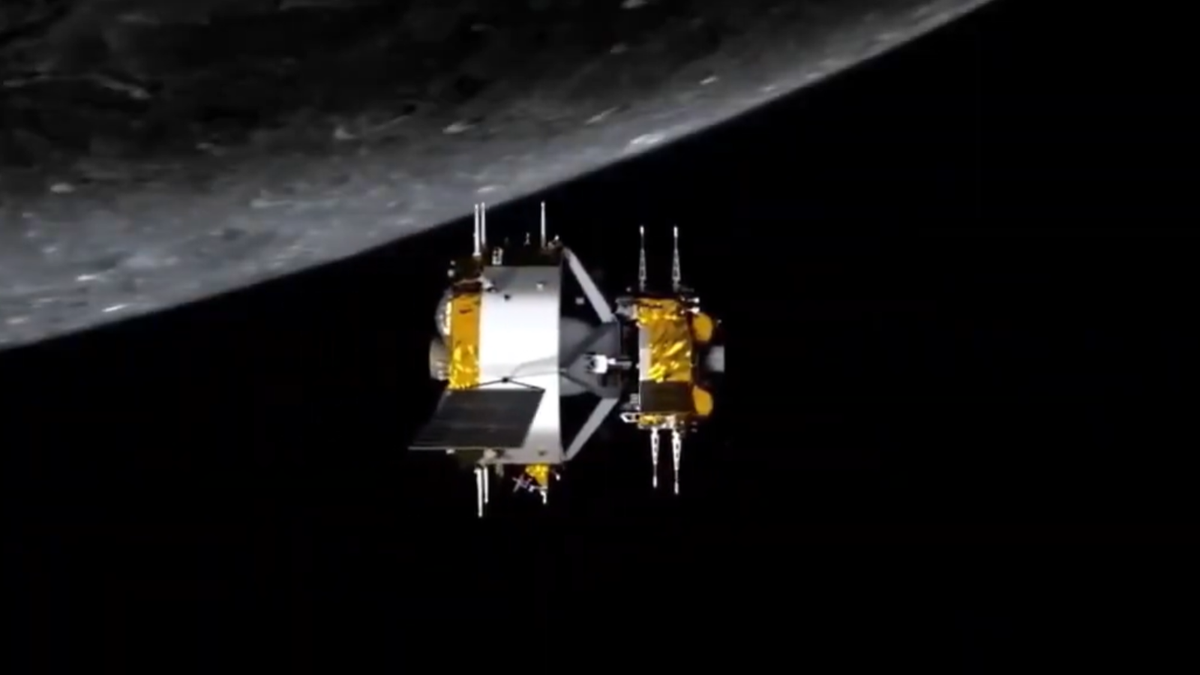
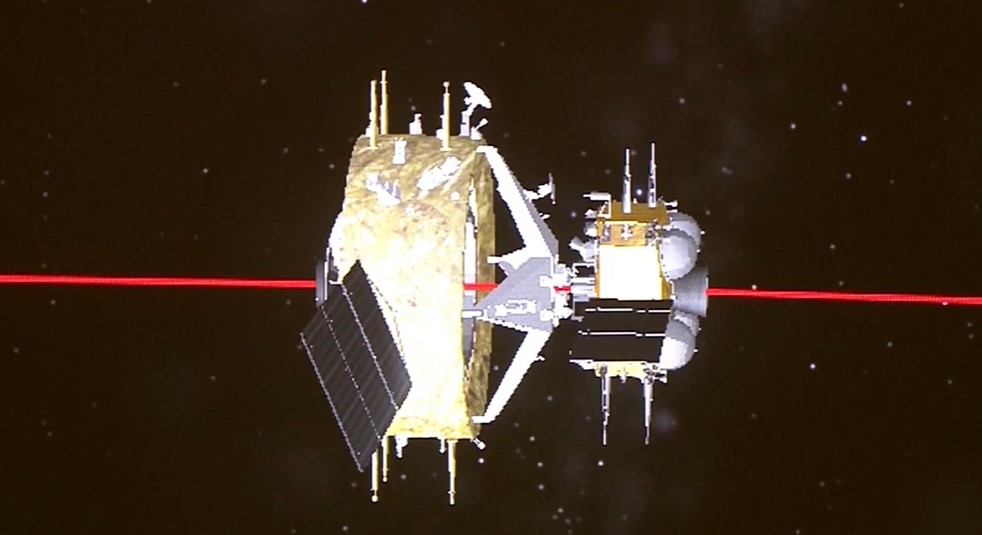
China's Chang'e 6 mission has successfully transferred the first-ever samples collected from the far side of the moon between its ascender and orbital module in lunar orbit. This marks a significant milestone as the samples are now set to return to Earth. The mission, which landed in the Apollo Basin crater on the moon's far side, continues China's pioneering efforts in lunar exploration. The sample return canister is expected to land on Earth on June 25.
The Chang’e-6 ascent vehicle successfully docked with its service module in lunar orbit, marking a crucial step in bringing the first samples from the moon's far side back to Earth. The China National Space Administration (CNSA) completed the docking and transfer of lunar material early on June 6, 2024. The orbiter will remain in lunar orbit for two weeks before returning to Earth, with the reentry capsule expected to land in Inner Mongolia around June 25. This mission is part of China's broader lunar exploration program, which includes future missions to the moon's south pole.
China's Chang'e 6 mission has successfully landed on the far side of the moon, capturing dramatic video footage of its descent. This marks China's second successful soft landing on the moon's far side, a region rarely explored due to its inaccessibility. The mission aims to collect and return lunar samples to Earth, providing valuable scientific insights into the moon's composition and history.
China's National Space Administration (CNSA) is collaborating with research institutes and companies to enhance the technological capabilities of the Chang'e 8 mission, which is set to launch in 2028 and will include a lander, rover, and a multi-task robot. The mission aims to host 14 scientific instruments for extensive lunar surface observations and data collection, with opportunities for international cooperation.