
NASA Lunar Rover Plan Faces Billion-Dollar Cost Dispute
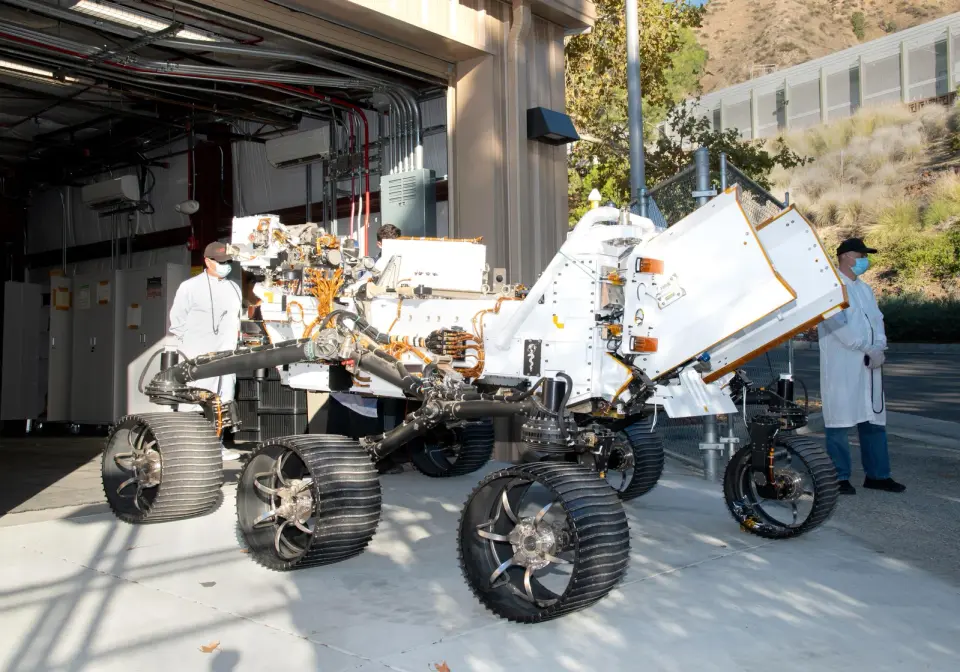
NASA is evaluating the repurposing of a Mars rover engineering model, PROMISE, for a lunar mission, but a recent analysis suggests the conversion could cost over $1 billion, a figure strongly contested by agency leadership.
Key points
- NASA announced on June 30 that it is considering sending PROMISE, based on Curiosity and Perseverance engineering models, to the lunar south pole to support base operations.
- The Planetary Society estimated the total cost for development, launch, and one year of operations between $723 million and $1.33 billion, with a likely launch window in the early 2030s.
- NASA Administrator Jared Isaacman rejected the high cost estimates, arguing that repurposing existing hardware and plutonium-238 fuel is a necessary strategy to achieve quick wins for the lunar base.
- The Planetary Society noted that the engineering model lacks space-rated components, including a communications system and flight-ready instruments, requiring significant modifications.
- Using the only spare radioisotope thermoelectric generator for PROMISE would eliminate the possibility of a future outer solar system mission and deprive Mars rovers of a critical testbed.
Background
In mid-2026, NASA began weighing the feasibility of sending a spare Mars rover to the Moon as part of its Artemis program. The initiative, known as PROMISE, was intended to serve as a testbed for lunar outpost technologies and resource prospecting near the south pole. This decision reflected a broader shift in agency priorities toward accelerating lunar exploration by leveraging existing hardware rather than developing new systems from scratch.
Why it matters
The debate over PROMISE highlights the tension between rapid lunar base development and long-term planetary science priorities. If the mission proceeds, it could accelerate lunar infrastructure but may delay other scientific missions due to resource constraints and the depletion of critical nuclear power components.
What to watch
NASA is expected to finalize its decision on the PROMISE mission in the coming months, while also determining the availability of nuclear power for future New Frontiers missions, with a proposal call potentially released in fiscal year 2027.
Want the full story? Read the original reporting
Read on SpaceNews