
space-policy10.07 min read
Isaacman: China’s Lunar Delay Gives US Critical Window to Secure Moon’s South Pole
16 days ago•Source: SpaceNews

The latest space policy stories, each synthesized from multiple sources with added background and context.
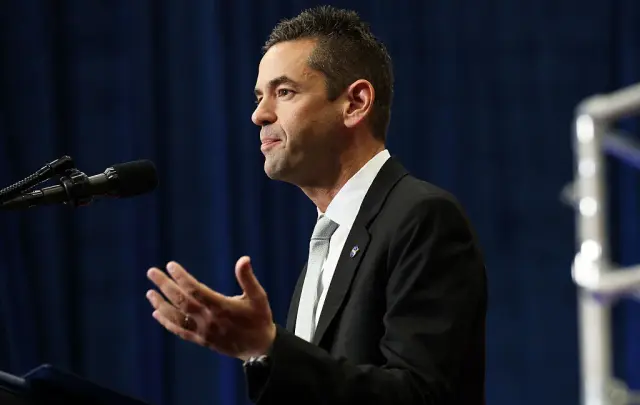
NASA Administrator Jared Isaacman stated that the unexpected delay of China’s Chang’e 7 mission provides the United States with a strategic opportunity to establish a presence at the Moon’s south pole before Beijing. Isaacman argued that controlling access to Shackleton Crater, which contains valuable water ice, is vital for global technological and security leadership. He emphasized that the US must accelerate its Artemis program to avoid being outpaced by China, which targets a crewed lunar landing by 2030. The delay, originally caused by weather, allows NASA to potentially deploy Blue Origin’s Blue Moon Mark 1 lander in early 2027, securing key infrastructure before Chinese robotic probes arrive.
NASA Watch•18 days ago
SpaceNews•28 days ago
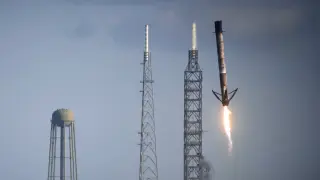
Trump’s new national space transportation policy directs NASA and the Pentagon to boost launch and reentry capacity to 1,000+ per year by 2030 by identifying additional federal lands for new spaceports and reentry sites, improving range scheduling and airspace management, and pursuing a third heavy-lift site for resiliency. It also supports expeditionary/rapid-launch concepts and streamlined permitting, with SpaceX expanding Starship pads at Cape Canaveral and Kennedy as part of growing private-sector capacity.
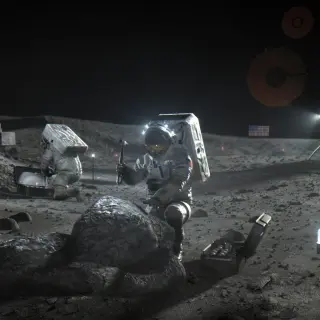
Seventy countries have joined the Artemis Accords to turn broad space-law principles into practical rules for lunar missions. The accords are non-binding and do not amend the 1967 Outer Space Treaty or create an enforcement body; instead, they rely on notification, coordination, and temporary safety zones, with enforcement through state responsibility and diplomacy. Resource rights remain debated, and the 70-signatory milestone signals momentum toward shared norms, though universal rules will depend on how signatories act when overlaps or conflicts occur.

Europe’s IRIS² secure-connectivity constellation will grow to at least 348 satellites with total costs estimated at €15.6 billion, up from prior plans. The expansion adds 66 high-LEO satellites while the MEO shell remains at 18 and the low-LEO segment remains led by Hispasat. Funding will come from the SpaceRISE consortium (about €4B) and the EU/ESA (about €11.6B), with launches expected to begin in 2029. The upgrade is aimed at boosting secure government capacity inside the EU by around 60% and by 54% outside the EU, delivering a faster-to-market system for defense, security and public-safety services.
NASA and SpaceX will replace MRAPs with Tesla Cybertrucks as the emergency escape vehicles for Crew Dragon missions, starting with Crew-13 in September, to avoid resource conflicts with other launches and because Cybertrucks can exit the blast danger area faster; the Cybertrucks require no vehicle modifications beyond certification for EVA entry with spacesuits. Crew-13 will launch Sept. 12 aboard the Grace capsule, with NASA's Jessica Watkins (commander) and Luke Delaney (pilot), CSA's Joshua Kutryk, and Roscosmos's Sergey Teteryatnikov.
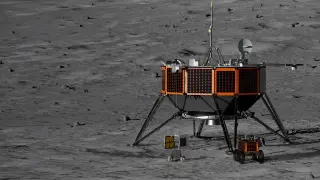
NASA plans to raise the maximum value of its Commercial Lunar Payload Services contract from $2.6 billion to $4.2 billion to support a projected surge in robotic lunar landings for Moon Base, with 13 eligible contractors and a goal of ramping up to a monthly landing cadence; the agency expects to award more missions and/or higher-value missions through 2028 and beyond as companies scale production and move toward standardized, build-to-print landers.
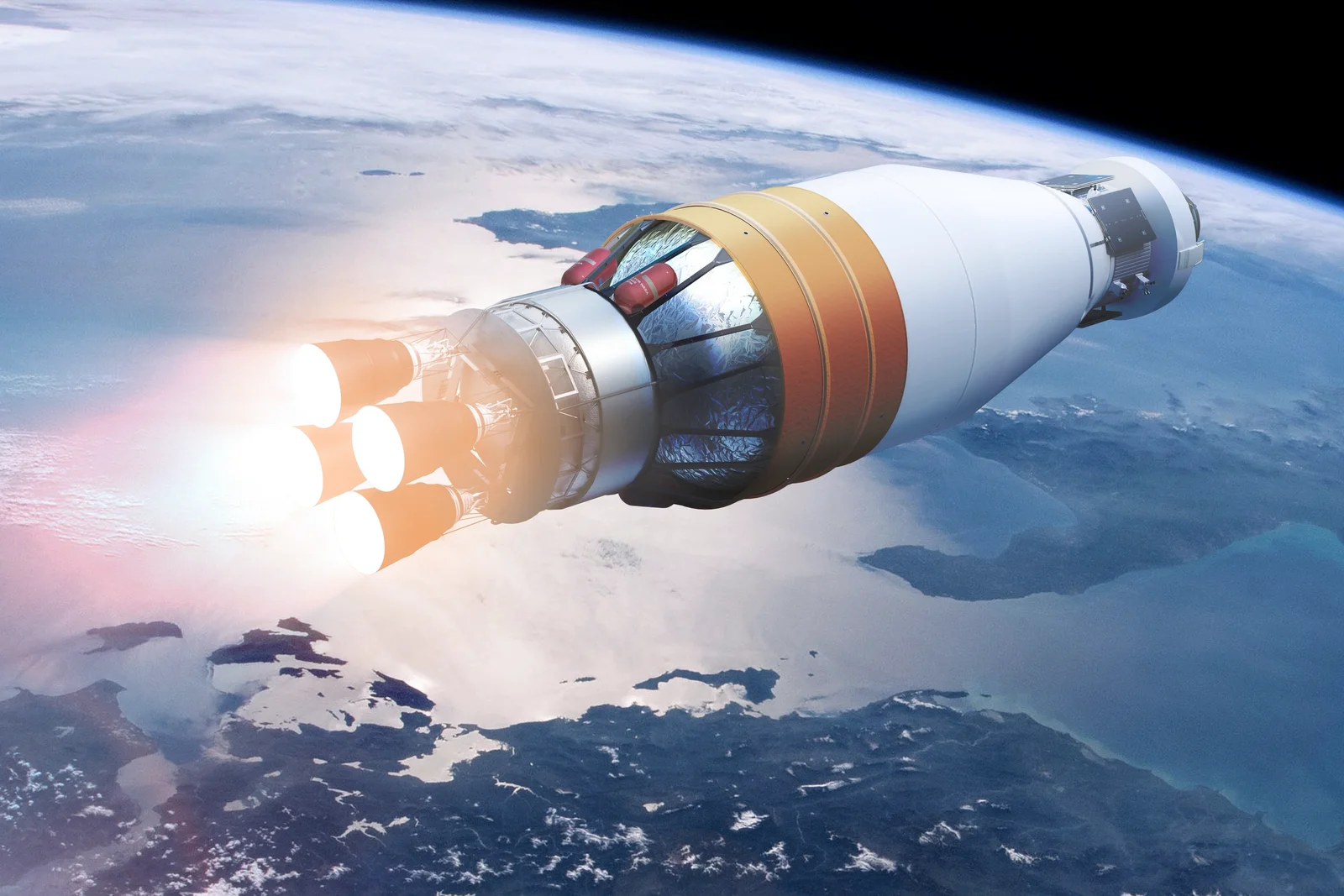
The Senate Commerce Committee advanced a revised NASA authorization bill (S. 933) that incorporates Artemis changes NASA requested, blocks further Exploration Upper Stage upgrades in favor of a near Block 1 approach, and pushes for a Lunar Surface Base with a designated lead center; it also extends the International Space Station life to 2032 due to delays in the CLD program, requires NASA to select at least two CLD partners, and defers ISS deorbit until a commercial successor is ready. The bill terminates the prior Mars Sample Return program and directs a revised MSR plan with an $8 billion cap, and it supports a competitive U.S. commercial launch market rather than imposing a launch-contract cap; Gateway plans would be briefed within 60 days of enactment.
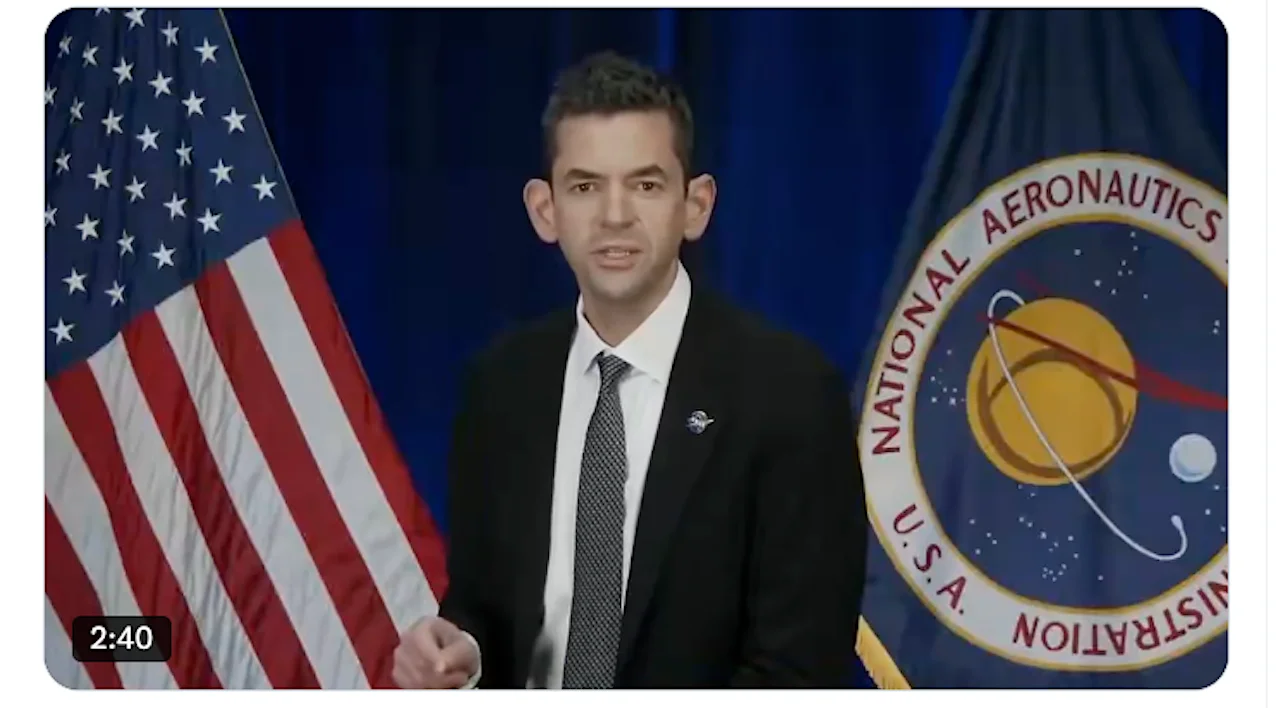
NASA unveils a workforce directive to restore internal engineering, operations, and scientific capabilities by auditing which work should be brought back in-house, converting critical roles to civil service, speeding onboarding, strengthening the talent pipeline (including OPM TechForce and internships), and enabling rapid prototyping with makerspaces, while adding right‑to‑repair provisions and removing restrictive clauses to reduce external dependencies—aimed at saving up to $1B annually and advancing the President’s space policy.

Andrius Kubilius, the new EU Commissioner for Defence and Space, aims to enhance European competitiveness and security in space by focusing on initiatives like passing a new space law, improving access to space, and supporting the space industry's global competitiveness. He emphasized the need for increased funding and European autonomous access to space, addressing challenges like the "launcher crisis." Kubilius also highlighted the importance of collaboration with ESA and the development of a unified EU space law to address regulatory fragmentation and promote sustainability.
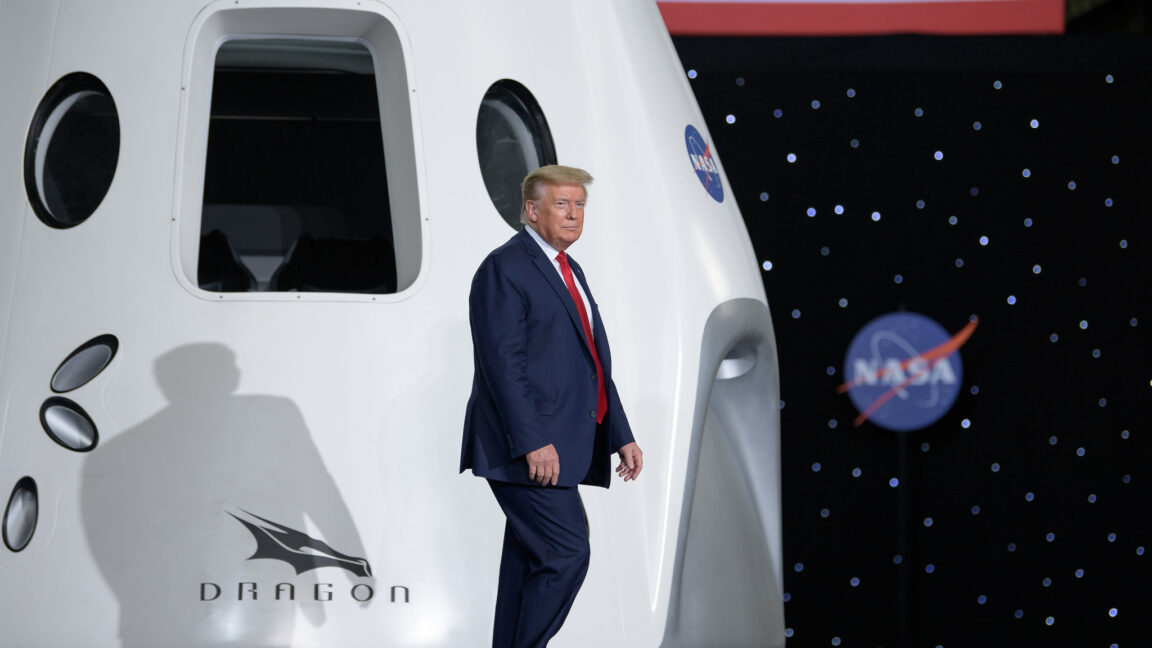
Elon Musk's influence in the Trump administration could significantly impact U.S. space policy, with potential conflicts of interest as SpaceX dominates the industry. Musk's involvement may lead to changes in NASA's operations, including a focus on efficiency and possibly shifting priorities from the Moon to Mars. Regulatory reforms to expedite space activities are likely, but Musk's deepening role may politicize space policy, traditionally a bipartisan issue. The future of programs like Artemis and international collaborations remains uncertain amid these dynamics.
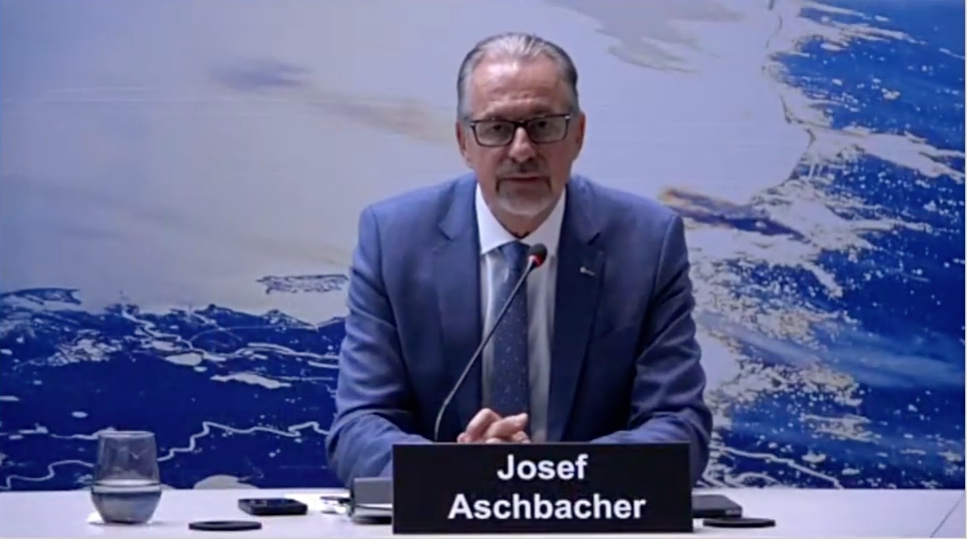
The European Space Agency (ESA) has initiated a pilot program to modify its georeturn policies, which currently allocate contracts based on member states' financial contributions. This move aims to address criticisms that georeturn creates inefficiencies and delays. The new approach, which will be tested on selected pilot programs, seeks to increase flexibility and streamline processes while maintaining the principle of georeturn to ensure continued member state contributions.