
Isaacman Rejects Diplomatic Optics for 'Good Deals' in Lunar South Pole Race
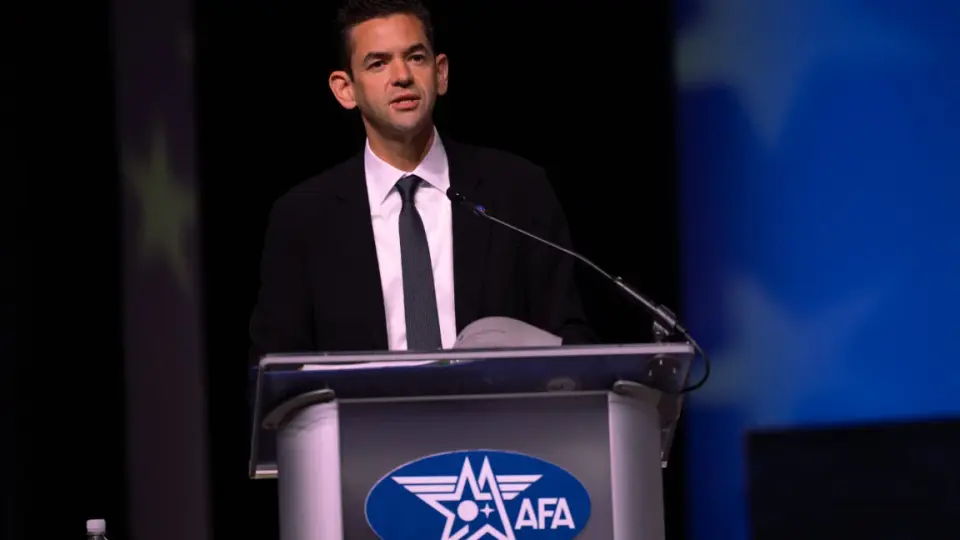
NASA Administrator Jared Isaacman has declared that the agency will only pursue international space partnerships that offer tangible, mission-critical contributions, rejecting previous models that prioritized diplomatic optics. Speaking at the Air, Space & Cyber Conference, Isaacman emphasized the urgency of securing positions at the lunar south pole before China and Russia can block access to water ice and power sources. He cited Italy and Japan as successful partners due to their significant financial and hardware commitments, while criticizing the European Space Agency for offering delayed or redundant capabilities. This shift aligns with a broader strategy to accelerate the 'Moon Base' program and pivot away from the canceled Gateway station to maintain a competitive edge in the new space race.
Key points
- Isaacman stated that NASA is no longer seeking partnerships that merely generate press releases, requiring partners to provide meaningful contributions that accelerate mission goals.
- The lunar south pole is described as a limited resource with specific 'parking spots' near water ice and sunlight-accessible ridges, creating a race against China and Russia.
- Italy and Japan are highlighted as positive examples, with Italy committing over $5 billion for a habitation module and Japan providing a pressurized rover in exchange for crew seats.
- The European Space Agency is criticized for offering a lander that would arrive too late to secure prime landing sites and for duplicating capabilities already being developed by US companies.
- Isaacman’s internal memo confirms a pivot from the Gateway station to a permanent Moon Base, with Artemis III targeted for a summer 2027 launch.
Background
This policy shift follows the cancellation of the Gateway station in March 2026, a move designed to focus resources on a permanent lunar surface presence. Previous international agreements, such as those with Canada and ESA, were tied to the Gateway program, which has now been deprioritized. The new strategy reflects a broader trend in NASA leadership to prioritize operational efficiency and competitive advantage over broad diplomatic inclusion, a direction previously outlined in Isaacman’s September 2026 memo to staff.
How outlets are covering it
Ars Technica provides the most detailed account of Isaacman’s public remarks, highlighting his specific criticism of partners offering delayed or redundant hardware, such as the ESA’s Argonaut lander. NASA Watch offers an internal perspective through Isaacman’s memo, which frames the shift as a necessary adaptation to a 'real space race' and emphasizes the agency’s internal drive to accelerate timelines despite schedule slippages. News Weekly frames the situation through a geopolitical lens, comparing the current lunar competition to the Cold War, while SatNews focuses on the reaffirmation of mission acceleration across international programs. The primary source and the internal memo align on the rejection of 'bad deals,' but the memo provides more detail on the internal operational challenges and the specific timeline pressures for Artemis III and IV.
Why it matters
The definition of a 'good deal' sets a new precedent for international space cooperation, potentially excluding long-standing partners like ESA and Canada from key lunar missions unless they offer unique, high-value contributions. This could reshape the global space architecture and influence the pace of the lunar race against China. The emphasis on speed and exclusive access to lunar resources may also impact the development of international norms for extraterrestrial resource utilization.
What to watch
NASA will likely renegotiate or terminate agreements with partners that do not meet the new 'good deal' criteria, particularly regarding the Moon Base program. The agency is expected to continue pushing for the summer 2027 launch of Artemis III, with potential lunar landings in 2028. The development of nuclear-powered spacecraft, such as SR-1 Freedom, is also expected to accelerate as part of the broader strategy to extend American leadership in space.
- NASA chief: I’m only interested in “good deals” from international partners Ars Technica
- "Lengthy Note" From Jared Isaacman To NASA NASA Watch
- Why Jared Isaacman Is Using a Decades-Old Playbook at NASA WSJ
- The New Space Race: China is Doing What the Soviets Never Could newsweekly.com.au
- NASA Administrator Jared Isaacman Reaffirms Mission Acceleration Focus Across International Space Programs satnews.com
Want the full story? Read the original reporting
Read on Ars Technica