
Solar Flare Triggers Earth-Directed CME, Forecasting Minor Geomagnetic Storm
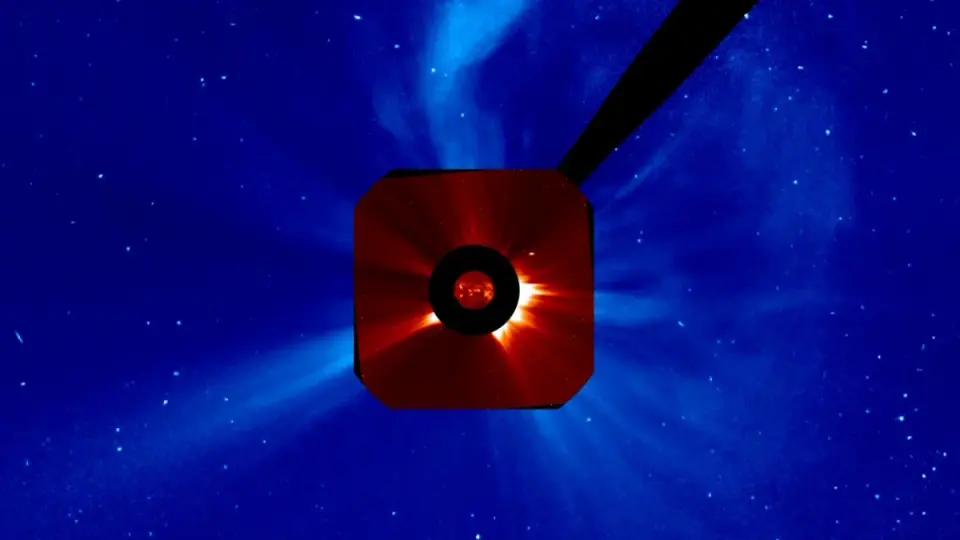
A long-duration M1.9 solar flare has generated an Earth-directed coronal mass ejection (CME). Forecasters anticipate this event will produce G1 to G2 level geomagnetic storm conditions on August 2, potentially impacting satellite operations and high-latitude power grids.
Key points
- An M1.9 solar flare occurred, characterized by a long duration.
- The flare produced a coronal mass ejection (CME) directed toward Earth.
- Forecasters predict G1 to G2 geomagnetic storm conditions upon arrival.
- The impact is expected to reach Earth on August 2.
Background
Recent solar activity has shown increased volatility. In late June and early July 2026, an M5.8 flare prompted a solar radiation storm warning, followed by an X1.1 flare that caused radio blackouts. While no CME was confirmed from the M5.8 event, the subsequent X1.1 flare raised concerns about potential geomagnetic activity. This current M1.9 event continues a pattern of solar instability that requires monitoring for potential impacts on space infrastructure.
Why it matters
Geomagnetic storms at G1-G2 levels can cause minor disruptions to power grids, particularly at high latitudes, and may affect satellite communications and GPS accuracy. While not severe enough to cause widespread blackouts, these events serve as reminders of the vulnerability of modern technology to solar activity and the importance of accurate space weather forecasting.
What to watch
Monitor for the arrival of the CME on August 2. Watch for updates on geomagnetic storm intensity, potential aurora visibility at mid-latitudes, and any reported disruptions to satellite or power grid operations.
Want the full story? Read the original reporting
Read on The Watchers - Watching the world evolve and transform