space-weather5.465 min read
Earth-facing CME looms as Sun sparks auroras and Comet McNaught brightens the sky
2 months ago•Source: SpaceWeather.com

The latest space weather stories, each synthesized from multiple sources with added background and context.
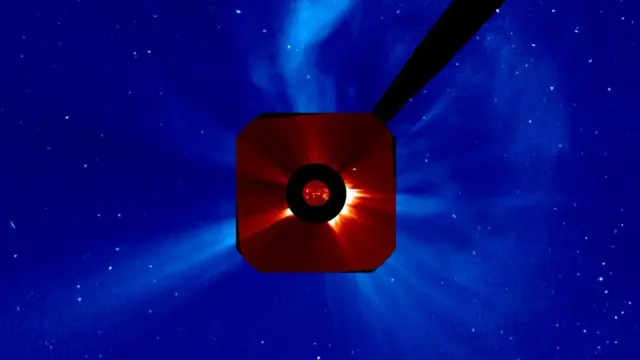
A long-duration M1.9 solar flare from Active Region 4492 on July 30, with an associated filament eruption, produced an Earth-directed partial-halo CME and a minor solar radiation storm. WSA-Enlil model runs place the CME’s arrival at Earth around August 2, with NOAA’s Space Weather Prediction Center forecasting G1–G2 (Minor–Moderate) geomagnetic storm conditions. Solar wind parameters have been mostly nominal, but disturbances from July 26–27 CMEs and the July 30 CME could arrive; increased drag, potential voltage alarms on power systems, spacecraft orientation corrections, and radio fade are possible, with auroras potentially visible as far south as New York and Idaho under favorable conditions.
Space Daily•3 months ago
Space•5 months ago
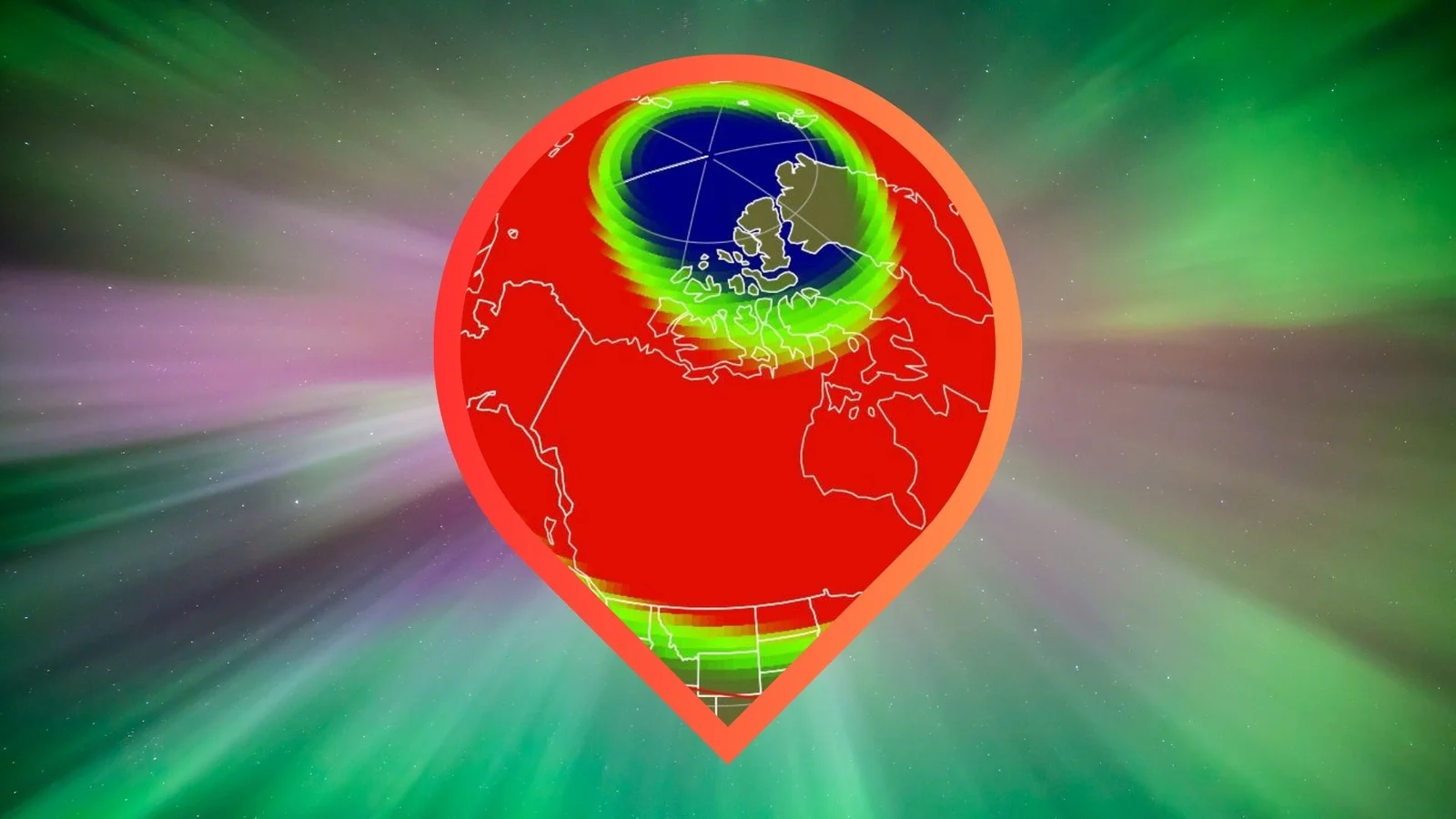
A massive coronal mass ejection from the Sun is expected to slam into Earth, potentially lighting up the night sky with auroras across as many as 24 U.S. states tonight (Jan. 19) as geomagnetic activity increases.
NOAA's Space Weather Prediction Center forecasts periods of G1–G2 (Minor–Moderate) geomagnetic activity on Jan 10–11, 2026 as a CME released on Jan 8 arrives, signaling a moderate geomagnetic storm risk with potential effects on space- and radio-related operations.
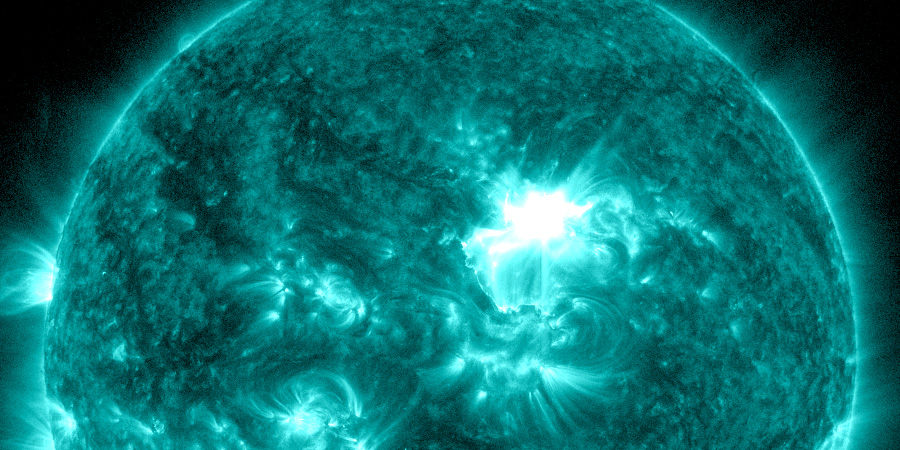
A powerful X1.2 solar flare from sunspot region 4274 has launched a likely Earth-directed coronal mass ejection (CME), which may arrive within 12 hours and potentially cause moderate to strong geomagnetic storms on November 12, 2025.

NOAA has issued alerts for potential geomagnetic disturbances and auroras as two minor Coronal Mass Ejections (CMEs) are expected to impact Earth's magnetosphere on April 14th, potentially causing G1-class geomagnetic storms and minor disruptions to technologies such as satellite communications and navigation systems. The solar storms may also lead to visible auroras down to mid-latitudes. NOAA's satellites closely monitor solar activity to provide forecasts and alerts, with upcoming satellite GOES-U featuring a new instrument to enhance the detection and understanding of CMEs.
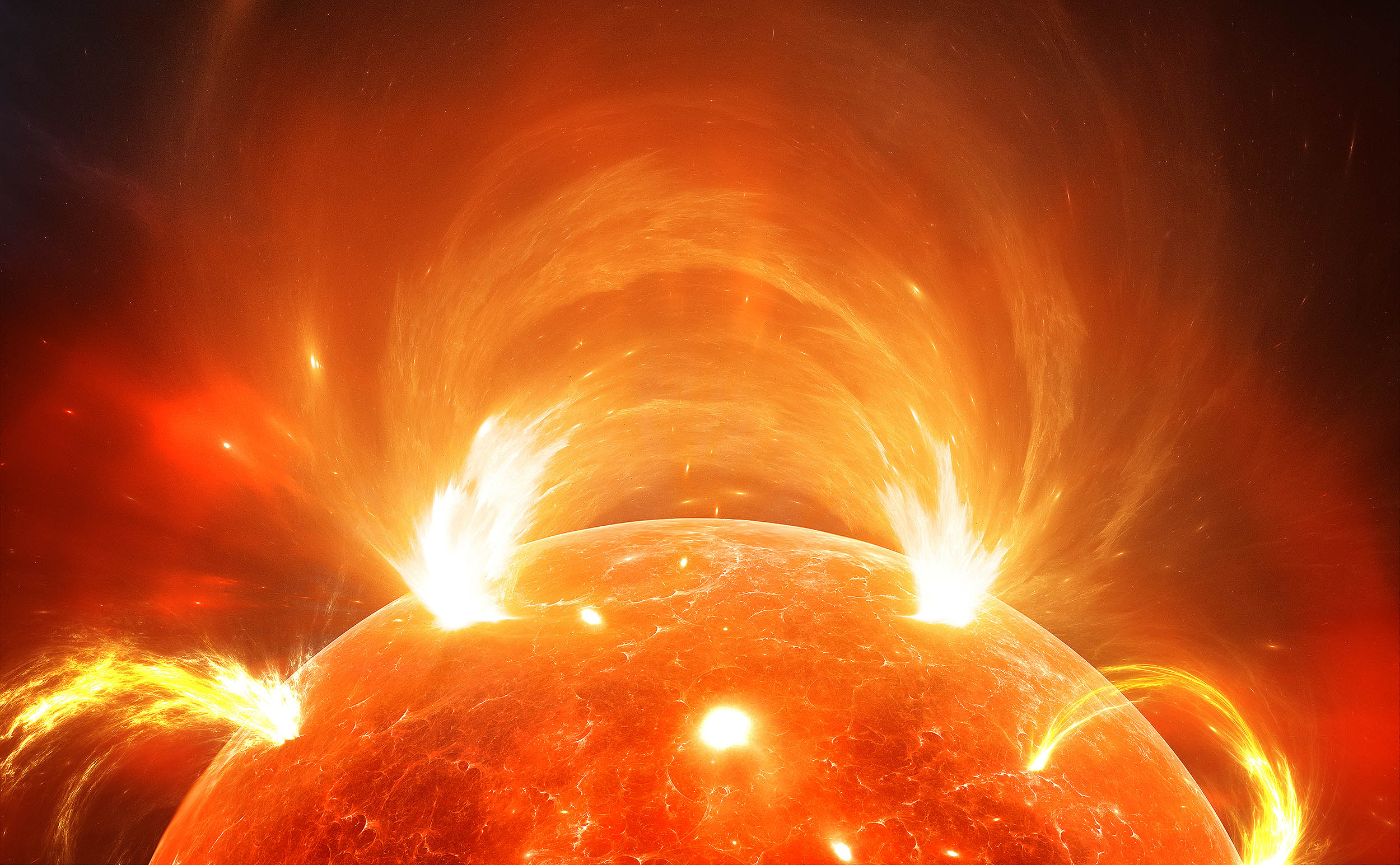
A severe geomagnetic solar storm is currently in progress, with the potential to cause auroras visible as far south as Alabama and Northern California. The storm has been classified as G4 on the NOAA Space Weather Scale, indicating intense geomagnetic activity with potential impacts on power grids, satellite operations, and natural phenomena such as the Northern Lights. The storm's intensity is gauged by the Geomagnetic K-index and is expected to reach Kp-6 levels, offering a rare opportunity to witness the aurora in regions where it's rarely seen. The Space Weather Prediction Center advises staying informed and prepared for potential impacts while appreciating the natural wonders of our universe.
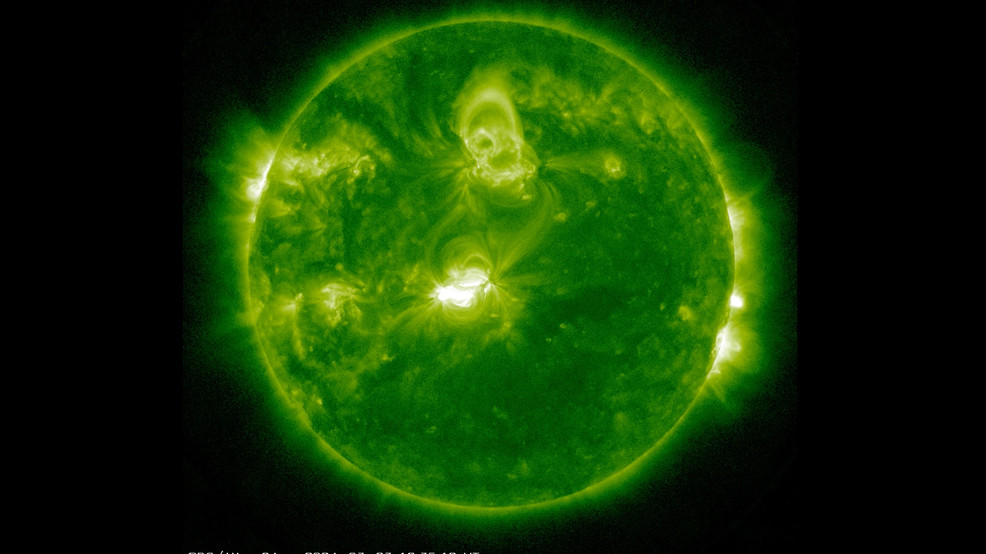
Space weather forecasters have issued a geomagnetic storm watch, warning of potential interference with radio transmissions and the possibility of stunning aurora viewing. The outburst of plasma from a solar flare could affect high-frequency radio transmissions and satellite tracking, but is not expected to cause major disruptions. This event is part of the sun's active solar maximum cycle, occurring approximately every 11 years, and provides an opportunity for those at higher latitudes to witness beautiful night skies.
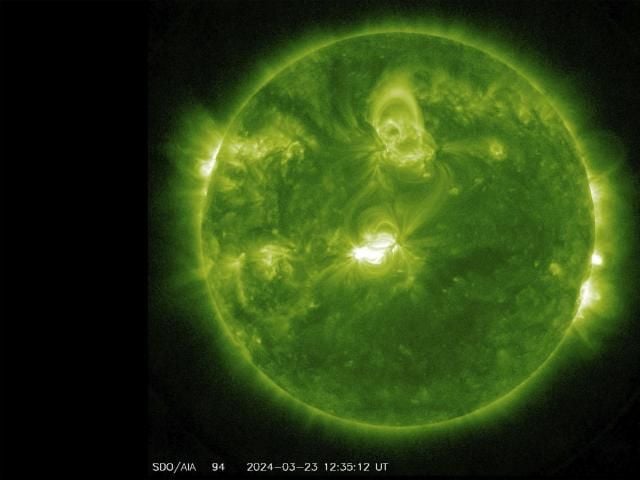
Space weather forecasters have issued a geomagnetic storm watch due to an outburst of plasma from a solar flare, which could disrupt radio transmissions on Earth and create stunning auroras. The alert, issued by NOAA's Space Weather Prediction Center, assures the public that there is no cause for concern. While the storm may affect high-frequency radio transmissions and satellite operations, it is not expected to cause significant disruptions to power grids. This event presents an opportunity for those at higher latitudes to witness captivating night skies, as the sun nears its most active phase in its 11-year cycle.
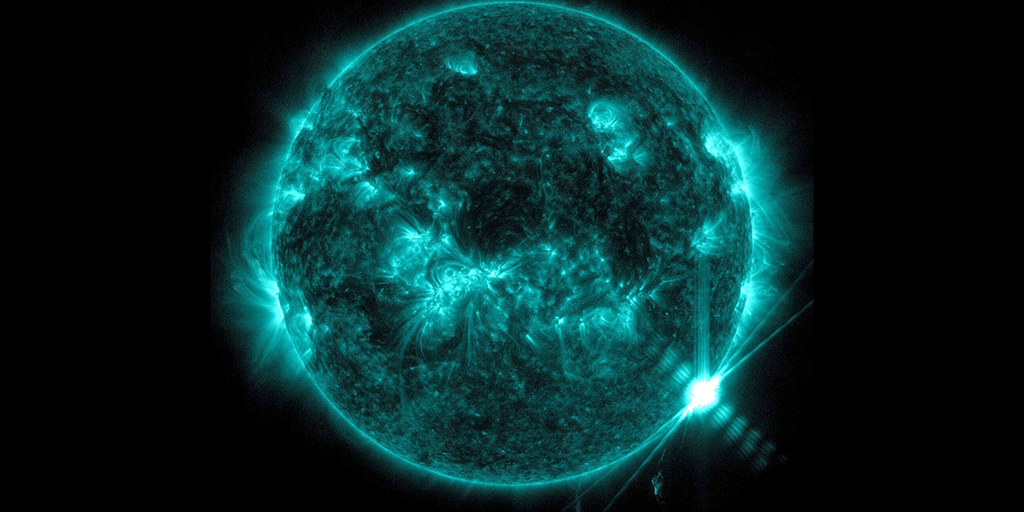
A strong X-class solar flare emitted from the Sun on Friday caused a solar radiation storm on Earth, with charged particles accelerated near the Sun arriving at over 10 times the normal background amount. The storm, classified as moderate (level S2 out of S5), was expected to peak on Saturday morning. While powerful solar flares can cause radio blackouts in polar regions and pose risks to space launches and spacecraft, most people do not need to be concerned as the energetic particles do not reach low enough into Earth's atmosphere to affect the public. NASA's Solar Dynamics Observatory captured the X3.3 flare, and more sunspots are expected as the Sun approaches the solar maximum of Solar Cycle 25.
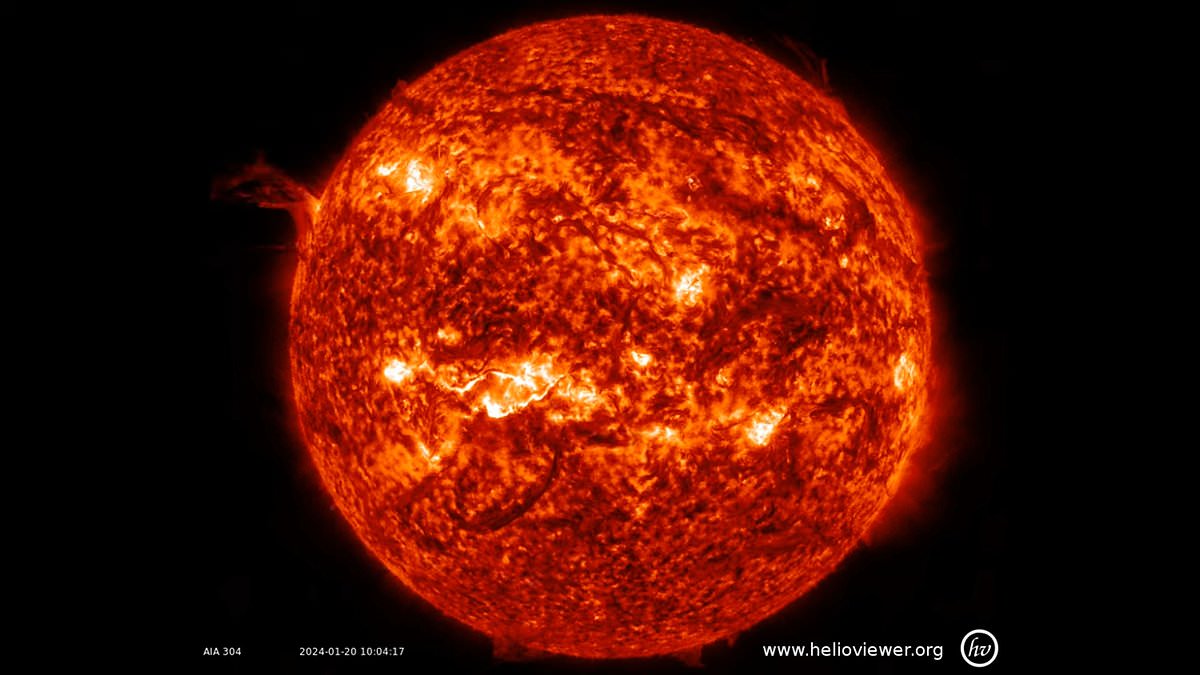
Earth is set to experience two solar storms with a 75% chance of causing radio blackouts, following two powerful streams of energized particles released by the sun. The disturbances are expected to be felt south of the equator, with potential impacts on high-frequency radio and GPS signal reception. The solar storms are associated with two active sunspots, 3559 and 3561, and may result in minor disruptions to power grids and satellite operations.