
1988 U.S. Spy Satellite USA 32 Shatters in Orbit, Cause Unknown
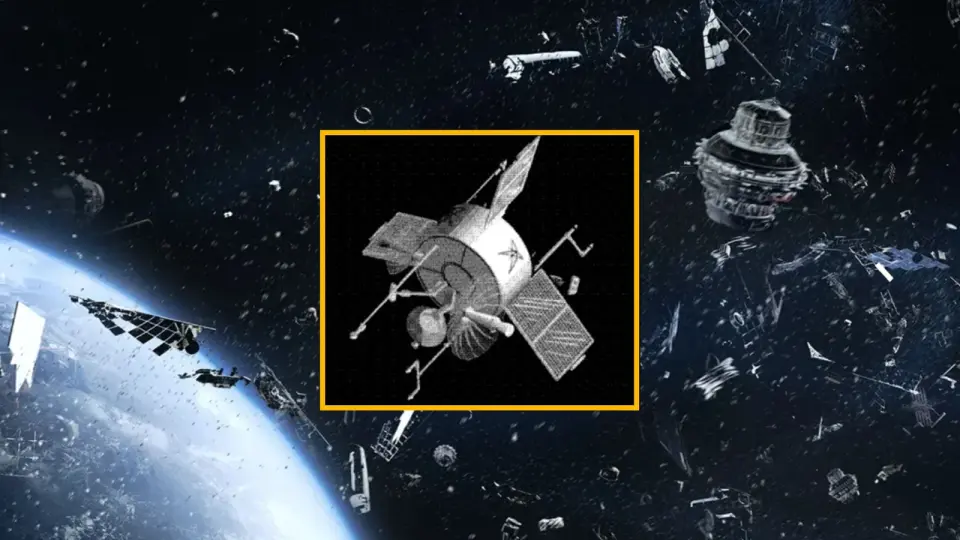
The defunct U.S. spy satellite USA 32, also known as Farrah III, fragmented in low Earth orbit on September 13, 2026. Launched in 1988 to intercept Soviet signals, the satellite broke apart at an altitude of 775 kilometers. The cause remains unknown, and the resulting debris poses a potential risk to other spacecraft in a crowded orbital region.
Key points
- USA 32, a Cold War-era spy satellite launched by the National Reconnaissance Office in 1988, fragmented on September 13, 2026.
- The breakup occurred at an altitude of approximately 775 kilometers (480 miles) above Earth.
- The cause of the fragmentation is unknown; potential causes include a pressurized tank rupture, battery failure, or an undetected collision.
- The U.S. Space Force confirmed the event on September 17 and stated that debris is being monitored for conjunction risks.
- The debris field could pose a threat to other spacecraft in the same orbital region, which is already crowded with at least 200 other satellites.
Background
USA 32 was part of a series of satellites named after famous figures from the 1970s and 1980s, with this one named after actress Farrah Fawcett. Its mission, to intercept Soviet radar and radio signals, was only fully declassified in 2026. The satellite was described as a 'tuna can' due to its cylindrical shape and lack of spin stabilization. It was last observed spinning in 2021, indicating it may have been non-functional for some time.
How outlets are covering it
Live Science emphasizes the mystery of the cause and the potential threat to other spacecraft, noting that experts are still trying to measure the debris. UA.NEWS highlights the lack of a known cause and the risk to other satellites, including the International Space Station and China's Tiangong station, though it notes these are currently below the debris altitude. WION reports that the U.S. Space Force stated the debris does not pose a danger to other satellites, but also notes that the debris could trigger further collisions. All sources agree that the cause is unknown and that the debris is being monitored.
Why it matters
The fragmentation of a long-defunct satellite highlights the ongoing risk of space debris in low Earth orbit, a region that is increasingly crowded with active satellites. The unknown cause of the breakup raises concerns about the safety and sustainability of space operations, and the potential for a cascade of collisions, known as the Kessler Syndrome. The incident also underscores the need for better monitoring and tracking of space debris to prevent future incidents.
What to watch
Experts are working to determine the cause of the fragmentation and the number of debris pieces created. The U.S. Space Force is monitoring the debris and incorporating it into routine conjunction assessment screenings. Astronomers are hoping to reconstruct how the satellite came apart by studying the paths of the new objects. The long-term impact on other spacecraft in the region will depend on the size and trajectory of the debris.
- An American Cold War-era spy satellite just exploded above Earth — and nobody knows why Live Science
- US spy satellite USA 32 broke apart in orbit — Live Science UA.NEWS
- A Secret US Spy Satellite Launched In 1988 Has Unexpectedly Shattered Into Pieces, Posing Danger To Other Satellites In Low Earth Orbit iflscience.com
- US spy satellite from Cold War shatters 775 km above Earth WION
Want the full story? Read the original reporting
Read on Live Science