
Behind Parker’s Shield: How a Tiny Carbon Layer Keeps It Cool Near the Sun
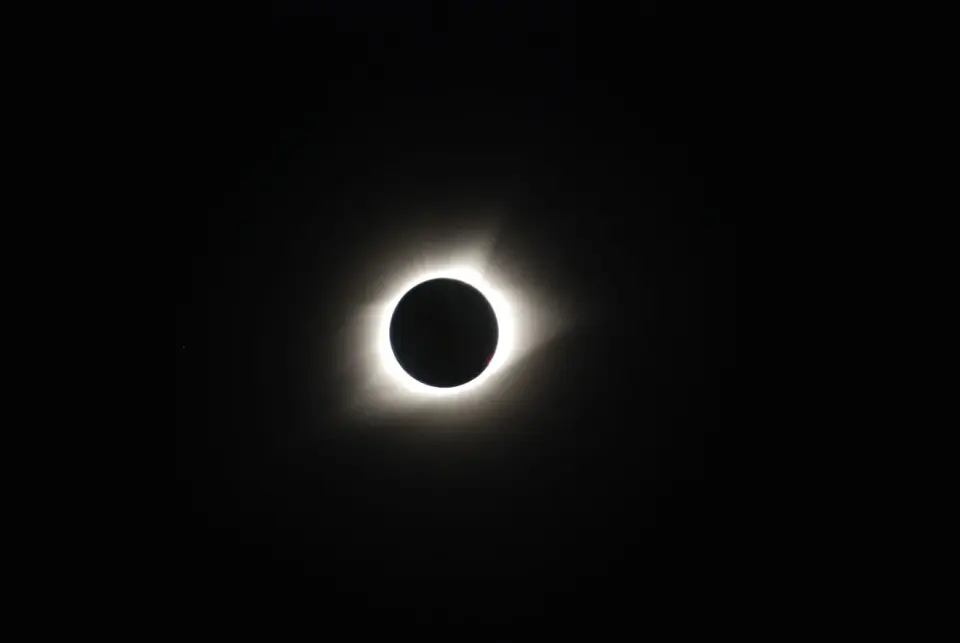
Parker Solar Probe survives near the Sun not by withstanding a single furnace-like temperature, but through a precisely engineered heat-management system: an 11.5 cm carbon‑carbon shield with a white ceramic coating, a clever shadow geometry, restricted conduction, water‑cooled solar arrays, and radiators that keep most of the spacecraft at room temperature while the sunward face glows at roughly 1,400 C. Instruments sit in or around the shield’s shadow and are made from high‑temperature materials, with seven sun sensors ensuring the shadow stays aligned. The mission’s radiation comes from intense sunlight (about 500 times Earth’s flux) rather than a million‑degree plasma, so the shield reflects energy and slows conduction, while the rest of the solar‑wind science package samples the environment from the edge of the shield. The result is a spacecraft designed to stay cool enough to operate while approaching within ~6 million kilometers of the Sun.
- The Parker Solar Probe flies through the sun's outer atmosphere behind a carbon shield eleven and a half centimetres thick, and the arrangement works so well that while the front face glows at almost fourteen hundred degrees, the instruments sitting a metre Space Daily
- NASA's Parker Solar Probe has flown straight through the Sun's outer atmosphere at more than 690,000 kilometres per hour—the fastest any object built by human hands has ever moved, quick enough to cross from New York to Tokyo in under a minute. Space Daily
Want the full story? Read the original reporting
Read on Space Daily