Tag

Solar Corona

All articles tagged with #solar corona

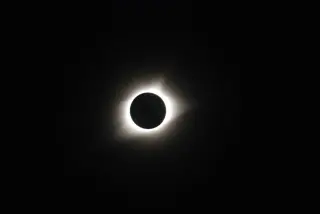
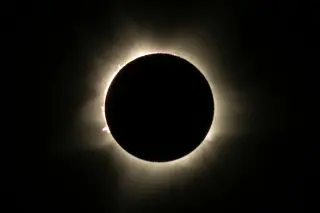
August Eclipse Photos Expose Solar Corona’s 'Smoke Rings' and Giant Magnetic Holes
science25 days ago

August Eclipse Photos Expose Solar Corona’s 'Smoke Rings' and Giant Magnetic Holes

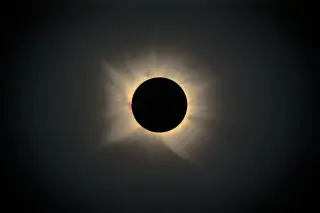
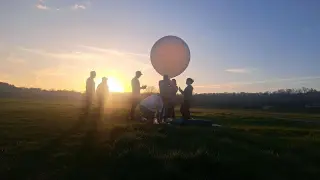
New images from the August 12, 2026, total solar eclipse reveal detailed structures in the sun's corona, including a large coronal hole and numerous 'smoke rings.' Captured by the Solar Wind Sherpas project, these photos show vortices formed by temperature differences in plasma, offering insights into solar wind dynamics that space instruments struggle to observe.
Spain’s Aug. 12 Eclipse: A Golden Corona and the Art of Capturing It
science-and-astronomy3 months ago

Spain’s Aug. 12 Eclipse: A Golden Corona and the Art of Capturing It

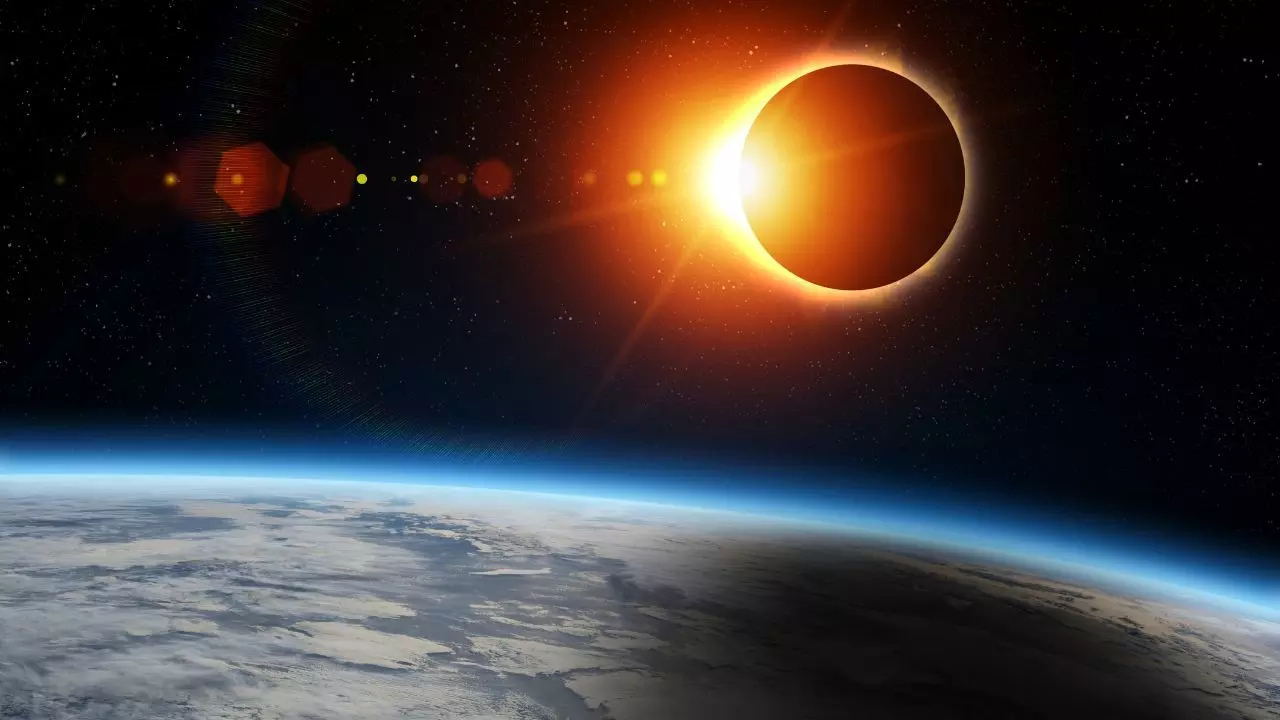
On August 12, 2026, a total solar eclipse crossed eastern Greenland, western Iceland, and Spain. While the event offered a rare view of the sun's corona, conditions in Spain created an unusual golden hue due to low sun angles and smoke from forest fires. Meteorologist Matthew Cappucci detailed the technical challenges of capturing the corona from Tórtoles de Esgueva, while NASA highlighted the scientific interest in the color shift. Ars Technica reported on the ground-level experience in Duratón, noting the clear skies caused by drought and the presence of local crowds.

1973 Concorde Flight Set Record for 74-Minute Solar Eclipse Observation
science-and-history3 months ago

1973 Concorde Flight Set Record for 74-Minute Solar Eclipse Observation

In June 1973, a team of eight scientists used the Concorde 001 prototype to observe a total solar eclipse for 74 minutes, setting a world record by flying at Mach 2.2 to chase the Moon's shadow across Africa. The mission, led by Pierre Léna, involved significant aircraft modifications and precise navigation to study the solar corona at various wavelengths, achieving a duration far exceeding ground-based observations.

Parker Solar Probe shatters solar speed record during corona flyby
space4 months ago

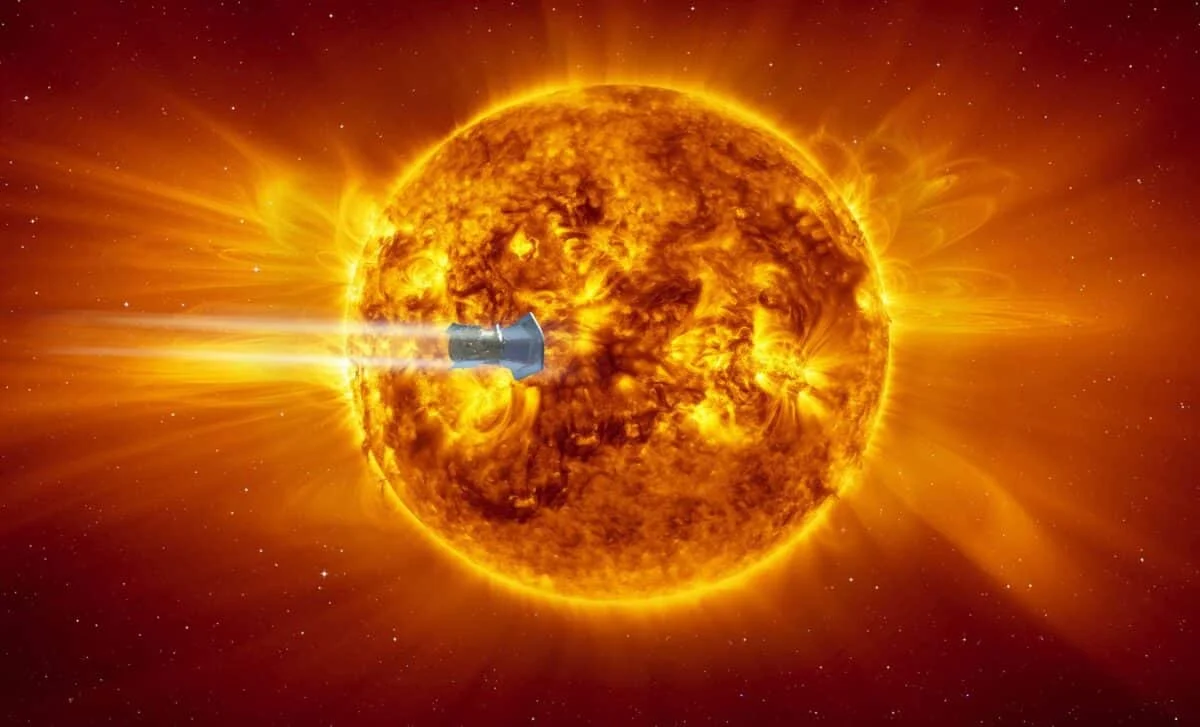
Parker Solar Probe shatters solar speed record during corona flyby

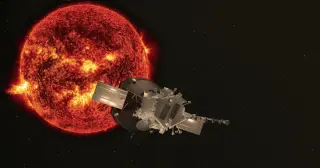
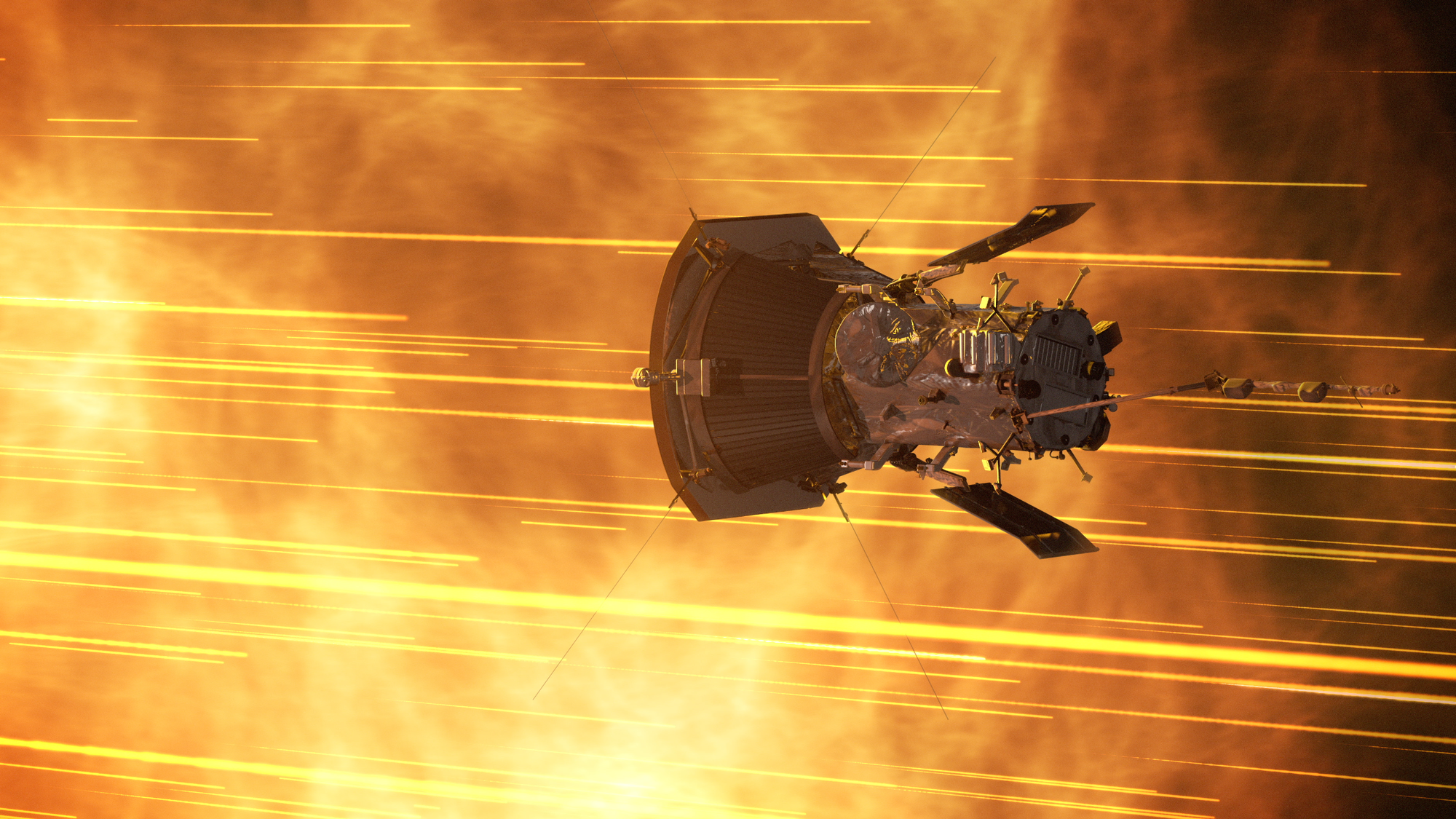
NASA’s Parker Solar Probe reached about 692,000 km/h (192.22 km/s) relative to the Sun while skimming the Sun’s corona during its 28th close approach in June 2026, a record for a human-made object. The peak speed comes from a highly elliptical near-Sun orbit aided by Venus flybys; Parker’s shield protects its instruments as it studies coronal heating and solar wind, with mission extensions still under review and no sustained cruise speed implied by this record.

Parker Solar Probe Finds Unexpected High-Energy Protons From Near-Sun Magnetic Reconnection
space5 months ago

Parker Solar Probe Finds Unexpected High-Energy Protons From Near-Sun Magnetic Reconnection

NASA’s Parker Solar Probe crossed the solar corona during perihelion and recorded protons at energies far above what existing reconnection-driven acceleration models at the heliospheric current sheet could predict, linking magnetic island merging in the reconnection exhaust to a near-Sun source of high-energy particles and prompting questions about the limits of current particle-acceleration theories and implications for coronal heating.

Parker Solar Probe Pushes into the Sun’s Shadow, Shield Protects the Mission
space6 months ago

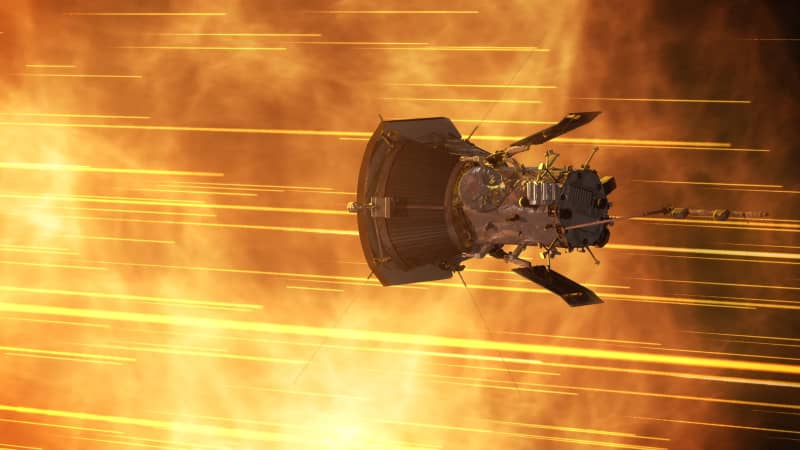
Parker Solar Probe Pushes into the Sun’s Shadow, Shield Protects the Mission

The Parker Solar Probe remains the fastest human-made object, zipping through the Sun’s corona at about 430,000 mph and protected by a 4.5-inch-thick carbon-foam heat shield; after seven Venus gravity assists it now sits in its closest solar orbit, operating autonomously and returning data on the corona and solar wind as NASA extends the mission beyond its original plan.

Parker Solar Probe Maps How the Sun Heats Its Solar Wind
space9 months ago

Parker Solar Probe Maps How the Sun Heats Its Solar Wind

NASA’s Parker Solar Probe delivered unprecedented close-up data from the Sun’s corona, enabling researchers to use the Arbitrary Linear Plasma Solver (ALPS) to analyze how particles respond to waves in the Sun’s plasma. The study shows how heating and damping shape the solar wind near the Sun, with cooling of particles occurring more gradually than expected as they stream outward—improving space weather forecasts and informing similar plasma processes in the universe.