
Boeing Starliner Cargo Launch Slips to Q4 2026 Amid ISS Port Delays
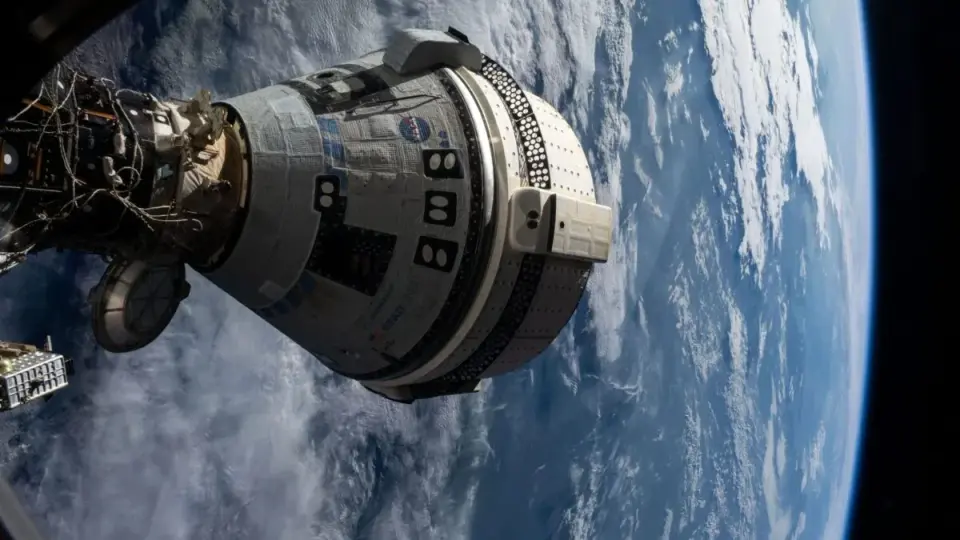
Boeing CEO Kelly Ortberg stated that Starliner’s propulsion fixes are progressing well, but the next cargo mission to the International Space Station (ISS) is now targeted for no earlier than Q4 2026. The delay is driven by ISS docking port availability rather than technical readiness. A successful cargo flight could lead to a crewed mission in late 2027, though Boeing has already incurred $2 billion in losses on the program.
Key points
- Boeing’s Q2 2026 10-Q filing indicates the Starliner-1 cargo mission will not launch before Q4 2026, marking the third schedule slip since the 2025 contract restructure.
- CEO Kelly Ortberg confirmed that the redesign of Starliner’s propulsion deficiencies is 'going quite well,' but emphasized that launch timing depends on coordinating with NASA for an open ISS docking port.
- The 2024 Crew Flight Test failure involved five thruster malfunctions and helium leaks, caused by Teflon seal extrusion due to heat buildup in 'doghouse' enclosures during high-duty-cycle docking.
- Boeing has absorbed over $2 billion in cumulative losses on the fixed-price Commercial Crew contract, with the 2024 charge alone reaching $523 million.
- NASA has added six additional SpaceX Crew Dragon missions to its contract to maintain ISS access, citing Boeing’s technical issues and schedule delays as justification.
Background
Starliner’s first crewed test flight in 2024 ended in a Type A mishap, leaving astronauts Butch Wilmore and Sunny Williams stranded until they returned via SpaceX Crew Dragon in early 2025. NASA subsequently restructured the contract from six to four missions. Prior to the latest slip, targets had moved from April to June 2026. The ISS is planned for deorbit in 2030, narrowing the window for Boeing to complete its remaining crewed rotations.
How outlets are covering it
Gizmodo and Ars Technica highlight Boeing’s optimism regarding technical fixes, with Ortberg stating the company is 'feeling pretty good' about the redesign. However, Tech Times provides a more critical view, noting that Ortberg’s admission of 'uncertainty' regarding launch timing is a precursor to further financial charges. Ars Technica also emphasizes the competitive disadvantage Starliner faces against SpaceX’s Crew Dragon, which is cheaper and more reliable, while Tech Times points out that NASA has formally acknowledged Boeing’s inability to provide crew transport continuity by awarding additional missions to SpaceX. SpaceNews notes that NASA officials declined to provide a specific launch date, stating only that the agency will fly Starliner 'when it's ready to go.'
Why it matters
The delay impacts the Commercial Crew Program’s goal of maintaining multiple crew transport systems to ensure redundancy. If Starliner fails to qualify for crewed flight before the ISS deorbit in 2030, NASA may rely solely on SpaceX, increasing scheduling risks. Additionally, Boeing’s financial losses and the narrowing window for contracted missions could affect its ability to recover costs and compete in future space contracts.
What to watch
Boeing and NASA are currently in discussions to align launch timing for the Starliner-1 cargo mission in Q4 2026. If successful, Boeing will need to complete a certification review and gain crew-rating approval before executing its first operational crewed rotation, likely not before late 2027. Further delays could result in additional financial charges for Boeing and deepen NASA’s reliance on SpaceX.
- Boeing Claims Its Beleaguered Starliner Spacecraft Is Pretty Much Good to Go Gizmodo
- Actually, Starliner might fly into space this year Ars Technica
- NASA still assessing Starliner-1 flight opportunities SpaceNews
- Boeing Starliner Cargo Flight Slips to Q4 With ISS Slots Narrowing Before Deorbit Tech Times
- Still No Date for Starliner’s Next Flight SpacePolicyOnline.com
Want the full story? Read the original reporting
Read on Gizmodo