
Boeing Starliner Redesign Progresses, but Launch Timing Hinges on ISS Docking Availability
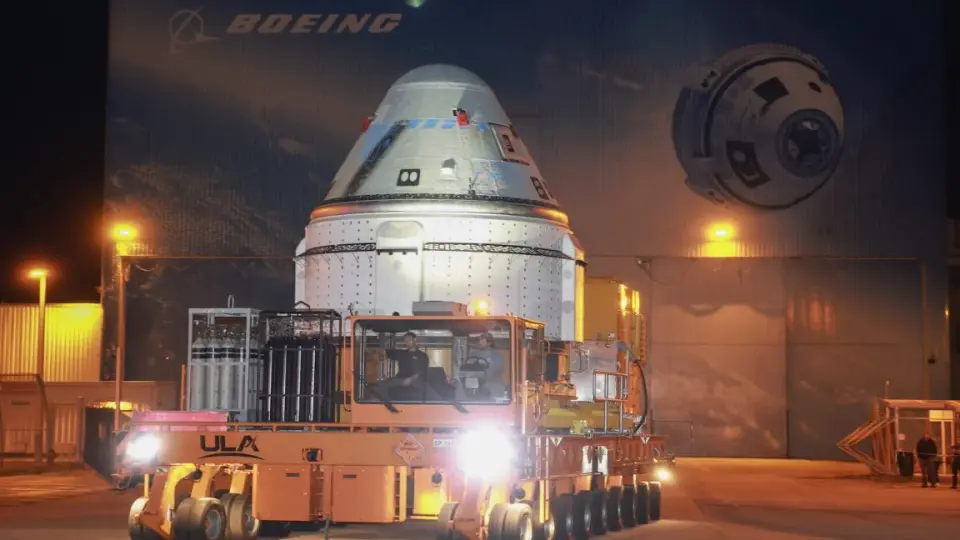
Boeing CEO Kelly Ortberg confirmed that the redesign of Starliner’s propulsion deficiencies is progressing well, with the primary remaining hurdle being the coordination of a cargo launch with NASA to ensure an open docking port at the International Space Station. While the vehicle may fly this year, a crewed mission is not expected until late 2027. The delay has cost Boeing approximately $2 billion in charges, and the company is now prioritizing defense investments over commercial space expansion.
Key points
- Boeing’s Starliner propulsion system redesign is described as 'going quite well' by CEO Kelly Ortberg, addressing issues that previously imperiled the 2024 crewed flight.
- The next step is a cargo mission to the ISS, but the launch date depends on NASA aligning schedules to ensure an available docking port and astronaut time for unloading.
- A crewed Starliner mission is projected for late 2027, contingent on successful cargo tests and continued remediation of propulsion concerns.
- Boeing has incurred approximately $2 billion in charges due to development delays and additional test flights required after software and propulsion failures.
- Boeing is shifting its space investment focus toward national security and defense, while Starliner remains a potential backup to SpaceX’s Crew Dragon, which may be retired by 2030.
Background
Starliner’s 2024 crewed flight was classified as a 'Type A' mishap by NASA in February 2026, leading to a formal investigation into propulsion and software failures. Previous audits indicated certification for regular crew flights might slip to 2027, a decade behind the original 2017 target. The 2024 mission involved astronauts Butch Wilmore and Sunny Williams, who were returned to Earth via SpaceX Crew Dragon in early 2025. Boeing had previously explored selling Starliner but failed to find a buyer, with Blue Origin opting to develop its own crew vehicle instead.
How outlets are covering it
Ars Technica emphasizes the technical progress in the propulsion redesign and the logistical challenge of scheduling a launch with NASA, noting that Starliner’s expendable service module and lack of a dedicated rocket after Atlas V retirement make it less cost-effective than SpaceX’s Crew Dragon. SpaceNews confirms that Boeing and NASA are still negotiating the timing of the next cargo flight, highlighting the ongoing coordination required. Aviation Week reports that Boeing is now focusing its space investment on defense and national security, suggesting a strategic pivot away from commercial crew expansion while Starliner issues are resolved. The outlets agree on the technical progress but differ in emphasis: Ars focuses on the operational and economic challenges, while Aviation Week highlights the broader corporate strategy shift.
Why it matters
The status of Starliner is critical for the future of human spaceflight to low-Earth orbit, especially as SpaceX plans to retire Crew Dragon by 2030. If Starliner fails to become operational, the cost of crew transportation could rise significantly, and private space stations may face supply gaps. Boeing’s financial losses and strategic pivot to defense also signal a potential shift in the competitive landscape of commercial spaceflight, with Starliner’s viability now dependent on both technical success and NASA’s scheduling priorities.
What to watch
Boeing and NASA are currently negotiating the launch date for Starliner’s next cargo mission, with the goal of securing an open docking port at the ISS. If the cargo mission succeeds, a crewed mission is expected in late 2027. Boeing will continue to prioritize defense investments while resolving Starliner’s propulsion issues, and the company may face further financial penalties if delays persist. The long-term viability of Starliner will depend on its ability to compete with SpaceX’s Crew Dragon and other emerging crew vehicles, such as Blue Origin’s in-house system.
Want the full story? Read the original reporting
Read on Ars Technica