
Cassini’s Deliberate Crash: Protecting Enceladus from Potential Contamination
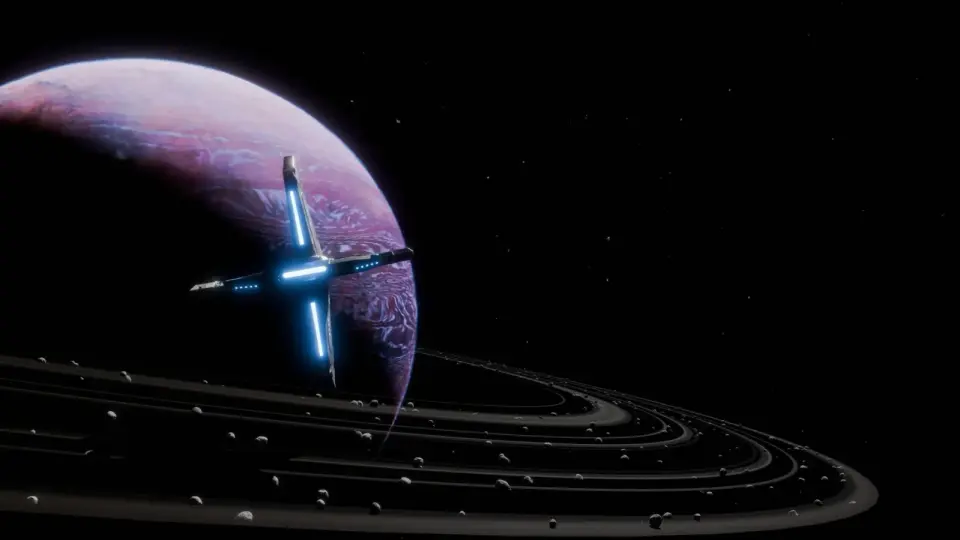
NASA deliberately crashed the Cassini spacecraft into Saturn in September 2017, despite it still functioning, to prevent potential contamination of Enceladus. The mission’s discoveries revealed Enceladus as a potentially habitable ocean world, making strict planetary protection protocols necessary to preserve the integrity of future biological research.
Key points
- Cassini was intentionally destroyed on September 15, 2017, while eight instruments were still operational, due to dwindling propellant reserves that prevented trajectory control.
- The decision was driven by planetary protection concerns, specifically the risk that terrestrial microbes might contaminate Enceladus, a moon with a subsurface ocean and hydrothermal activity.
- Cassini’s discoveries, including water vapor plumes, molecular hydrogen, and silica grains, provided evidence for hydrothermal vents and habitability on Enceladus, though no life was detected.
- The 'Grand Finale' mission included 22 passes through the gap between Saturn and its innermost ring, collecting final atmospheric and gravitational data before impact.
- NASA chose atmospheric disposal over long-term parking to ensure the spacecraft would not eventually drift into Enceladus or Titan, preserving the scientific value of future missions.
Background
Previous coverage in our archive highlights how Cassini’s findings regarding Enceladus’s plumes, hydrogen, and organic compounds established it as a prime target for astrobiology. Earlier articles noted that while no life was found, the presence of bio-essential elements and chemical energy sources made contamination prevention critical. The 2017 crash was a deliberate act to safeguard these potentially habitable environments for future exploration, ensuring that any future detection of life would not be confounded by Earth-originating contaminants.
Why it matters
The deliberate destruction of a functioning spacecraft underscores the evolving priorities of space exploration, where the protection of potentially habitable worlds takes precedence over continued data collection. This decision sets a precedent for future missions to ocean worlds, emphasizing that planetary protection is not merely about preventing contamination but about preserving the scientific integrity of the search for extraterrestrial life. It highlights the complex balance between scientific curiosity and the ethical responsibility to avoid contaminating environments that might harbor life.
What to watch
Future missions to Enceladus and other ocean worlds will likely adhere to stricter planetary protection protocols, potentially involving sterilization or remote sampling techniques to avoid direct contact. The data collected by Cassini continues to inform the design of these missions, which aim to directly sample plume grains or probe the subsurface ocean to determine if life exists. The legacy of Cassini’s Grand Finale is a framework for responsible exploration in an era where the number of potentially habitable worlds is growing.
Want the full story? Read the original reporting
Read on Space Daily