
Einstein-powered microlensing uncovers a distant exoplanet in TESS data
TL;DR
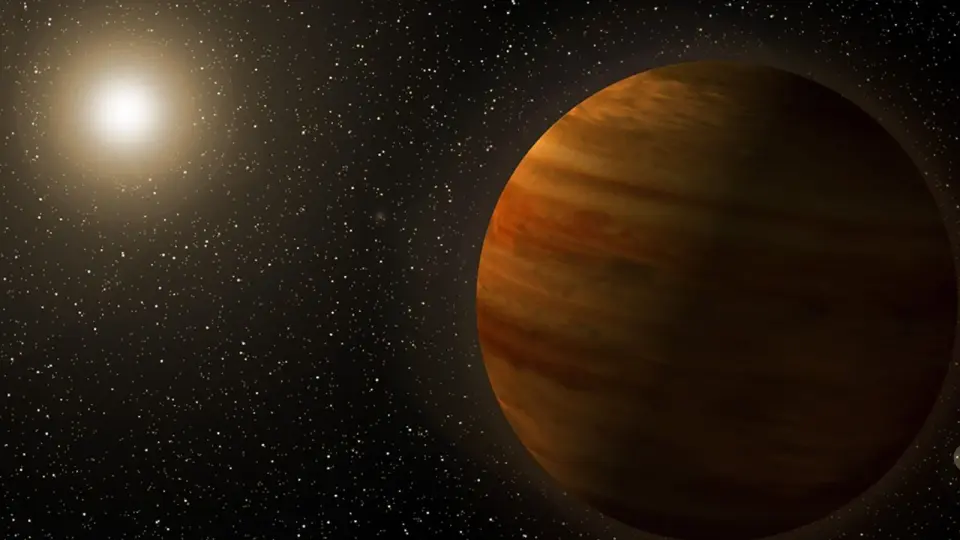
NASA's TESS has detected Gaia23bra b using gravitational microlensing—a method based on Einstein's general relativity—marking a rare microlensing planet found in TESS data. Hints first appeared in Gaia data in 2023; Gaia23bra b weighs about 1.6 Jupiter masses and orbits an orange-dwarf star roughly 40,000 light-years away, far beyond TESS's typical transit range. This discovery shows microlensing can reveal planets that transit methods miss and foreshadows Roman Space Telescope-led microlensing surveys, which could uncover many more such worlds.
- NASA just found a planet 'hiding' in TESS spacecraft data, all thanks to Einstein Space
- NASA's exoplanet telescope accidentally discovered a planet. Nobody noticed Scientific American
- NASA’s TESS Mission Finds Planetary System in New Way NASA Science (.gov)
- NASA’s planet-hunting spacecraft discovered a “super-Jupiter” with a new method. The Verge
- Texas Tech Researcher part of team that finds ‘Super Jupiter’ KLBK | KAMC | EverythingLubbock.com
Want the full story? Read the original reporting
Read on Space