
Euclid finds two ancient quasars, each shining with a trillion suns
TL;DR
The European Space Agency's Euclid space telescope has spotted 31 newly identified quasars dating to the universe's first 770 million years, including the two oldest known at redshifts 7.77 and 7.69, each radiating about a trillion suns. The discoveries, published in Astronomy & Astrophysics, double the number of quasars known from that era and shed light on how supermassive black holes formed so rapidly after the Big Bang. Euclid's wide-field survey will uncover hundreds more, helping create the largest 3D map of the universe and revealing how early galaxies and black holes evolved.
- Euclid telescope discovers the 2 most ancient monster black holes in the universe — each brighter than a trillion suns Live Science
- Euclid telescope spots oldest quasars ever discovered, adding to "perplexing" space mystery CBS News
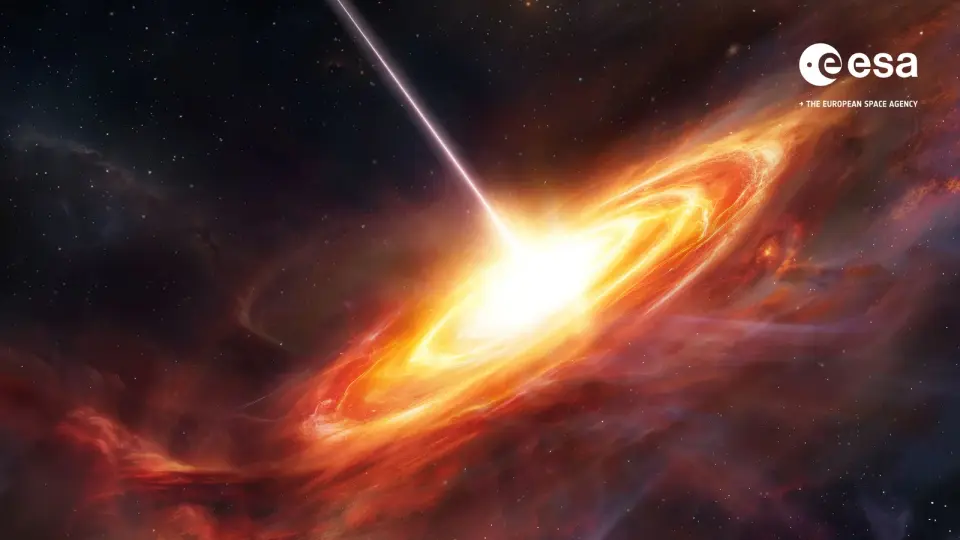
- Artist’s concept of an ancient quasar European Space Agency
- European space telescope Euclid spots oldest quasars yet dw.com
- The two most distant quasars ever observed: U of A astronomers help shatter cosmic record The University of Arizona
Want the full story? Read the original reporting
Read on Live Science